Introduction
A single spark in a dusty workshop can trigger an explosion powerful enough to level a building. Most woodworkers understand that sawdust creates mess and respiratory hazards, but far fewer recognise that wood dust can explode with devastating force. The comparison isn’t hyperbole: wood dust, when suspended in an enclosed area, Is just as explosive as petrol fumes.
Across Europe, approximately 2,000 dust explosions occur in factories and industrial facilities each year. The UK alone averages 50 annually – nearly one every week. Yet many workshop owners remain dangerously unaware of the conditions brewing beneath their feet and inside their extraction systems. The gap between perceived risk and actual danger costs lives and livelihoods. Understanding why wood dust behaves like an explosive, where hazards concentrate, and what compliance actually requires separates responsible operations from those gambling with catastrophe.
Why Wood Dust Is Highly Combustible
Wood’s combustibility seems obvious when you watch logs burn in a fireplace. But solid timber and fine dust behave entirely differently. When wood is reduced to particles smaller than 500 microns, the surface area exposed to oxygen increases exponentially. This creates conditions where ignition happens almost instantaneously, and flames propagate faster than the human eye can track.
The science follows what safety engineers call the Explosion Pentagon: fuel, oxygen, ignition source, dispersion, and confinement Must all be present. Remove any element and an explosion cannot occur. The problem in workshops is that all five elements frequently coexist without anyone noticing. Dust accumulates on rafters, inside ducting, and beneath machinery. A motor sparks or static discharge occurs. Within milliseconds, a fireball tears through the space. Industry experts note that These events happen in less than 500 milliseconds – there’s genuinely no time to escape.
Common Sources (Sawdust, MDF, Wood Flour)
Not all wood dust carries equal risk. Particle size and wood type dramatically affect explosibility. Coarse sawdust from rough cutting poses less immediate danger than the fine particles produced by sanding, routing, or CNC machining. The finer the dust, the more readily it suspends in air and the lower the concentration needed for ignition.
MDF presents particular hazards. The manufacturing process creates extremely fine particles, and the resin binders add chemical complexity to any fire. Wood flour – the ultra-fine powder used in composite materials – has a Minimum explosible concentration of just 60 grams per cubic Metre. To visualise this: imagine dispersing roughly four tablespoons of fine powder throughout a small room. That’s sufficient fuel for an explosion.
Hardwoods and softwoods behave differently as well. Softwoods typically produce finer dust that remains airborne longer. Exotic hardwoods may contain oils that lower ignition temperatures. Every material processed adds variables to the risk equation.
High-Risk Areas in Workshops
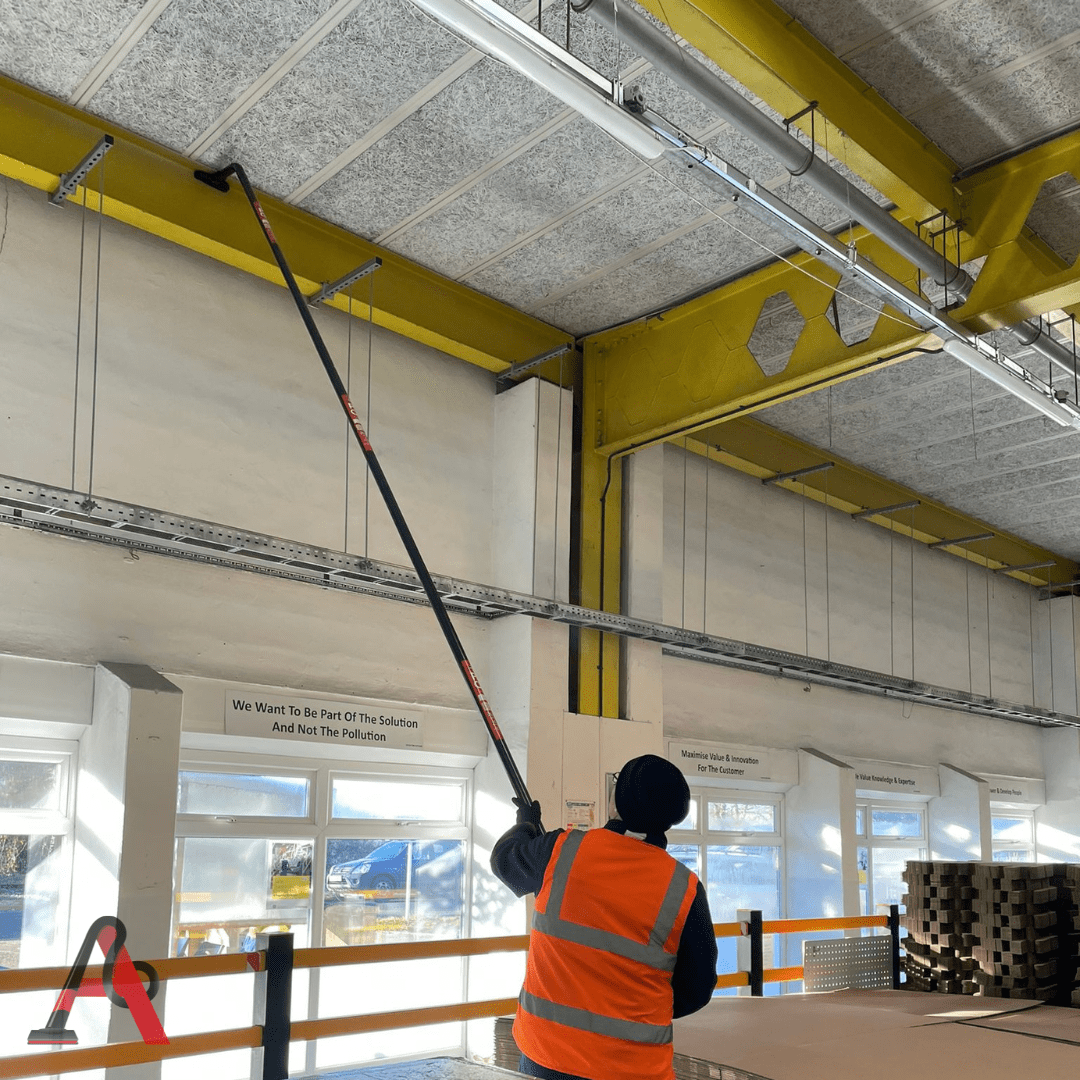
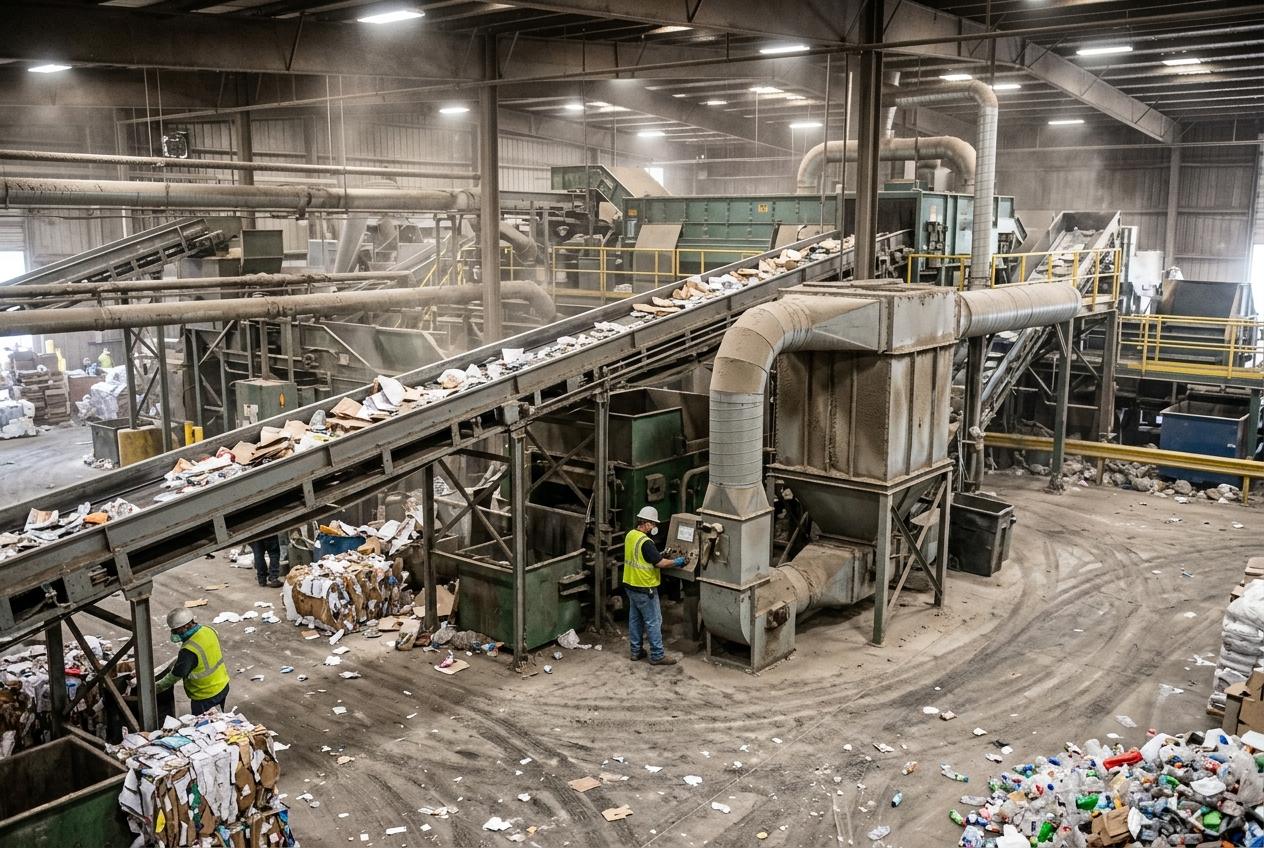
Dust accumulates in predictable locations, yet these spots often escape routine attention. Overhead surfaces – rafters, light fixtures, cable trays, and ventilation ducting – collect fine particles that remain undisturbed for months or years. When vibration or air movement dislodges this accumulation, it creates the suspended dust cloud necessary for explosion.
The statistic that should concern every workshop owner: a catastrophic explosion can occur with As little as 1/32 of an inch of accumulated dust covering just 5% of a room’s surface area. That’s a film barely visible to the naked eye.
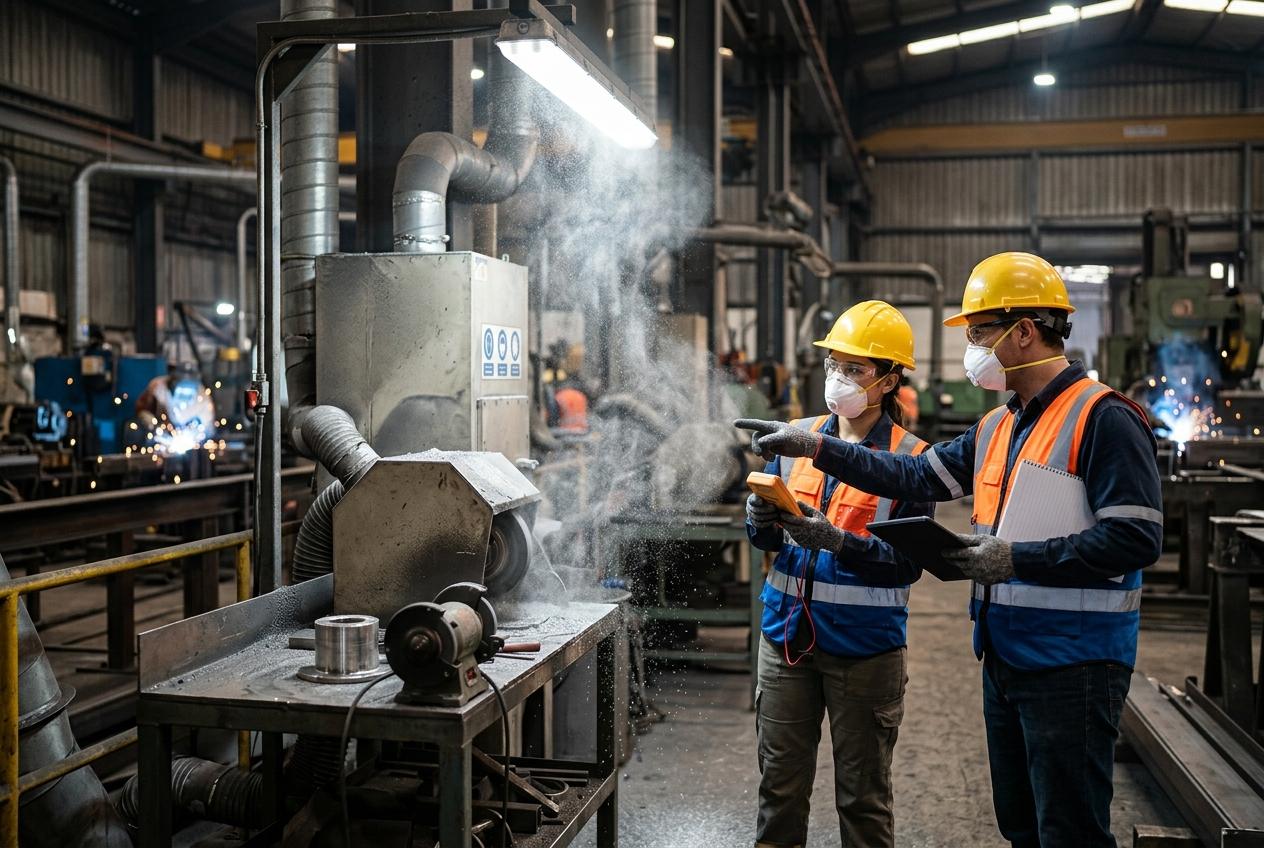
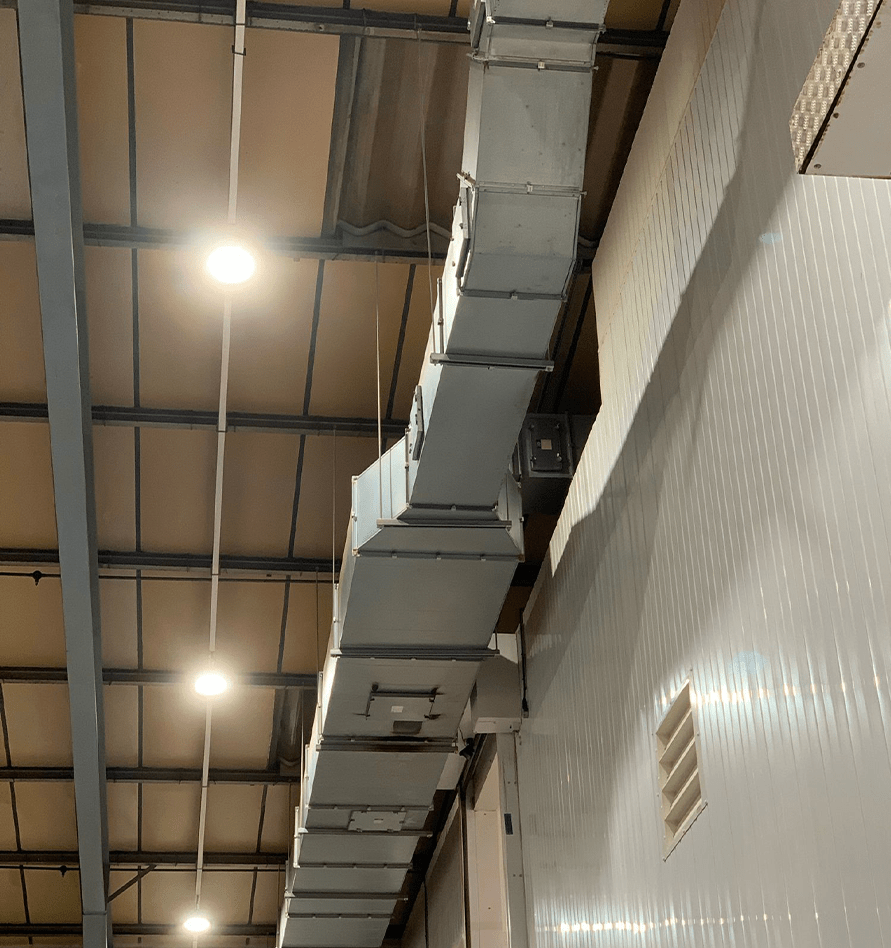
Inside dust extraction systems, the risks multiply. Ducting carries combustible material past electrical connections and fan motors. Collection bags and filters concentrate fuel in enclosed spaces. Poorly maintained systems with blocked filters create pressure differentials that can pull sparks through the network. The very equipment designed to manage dust can become the ignition point if not properly specified and maintained.
How Explosions Happen
The sequence typically begins with a primary ignition – often a small, localised fire that barely registers as dangerous. This initial event creates pressure waves that disturb settled dust throughout the facility. Within fractions of a second, dormant accumulations become airborne, creating fuel-rich clouds that the spreading flames ignite. The secondary explosion is invariably worse than the first.
Ignition sources in woodworking environments include:
- Electrical faults in motors, switches, or wiring
- Static discharge from dust-laden air or ungrounded equipment
- Friction heat from bearings, blades, or belts
- Hot work such as welding or cutting near dust accumulation
- Overheated extraction filters or blocked systems
The 2008 Imperial Sugar refinery disaster, though involving sugar rather than wood, demonstrates the pattern. A small fire in enclosed conveying equipment disturbed decades of accumulated dust throughout the facility. The resulting secondary explosions killed 14 workers and injured 42 others. Wood dust behaves identically under the same conditions.
ATEX Requirements for Woodworking
European ATEX directives establish legal requirements For managing explosive atmospheres. These regulations classify hazardous areas into zones based on the likelihood and duration of explosive conditions. Woodworking facilities typically contain Zone 21 areas – locations where combustible dust clouds may form during normal operations – and Zone 22 areas where such conditions occur only briefly or abnormally.
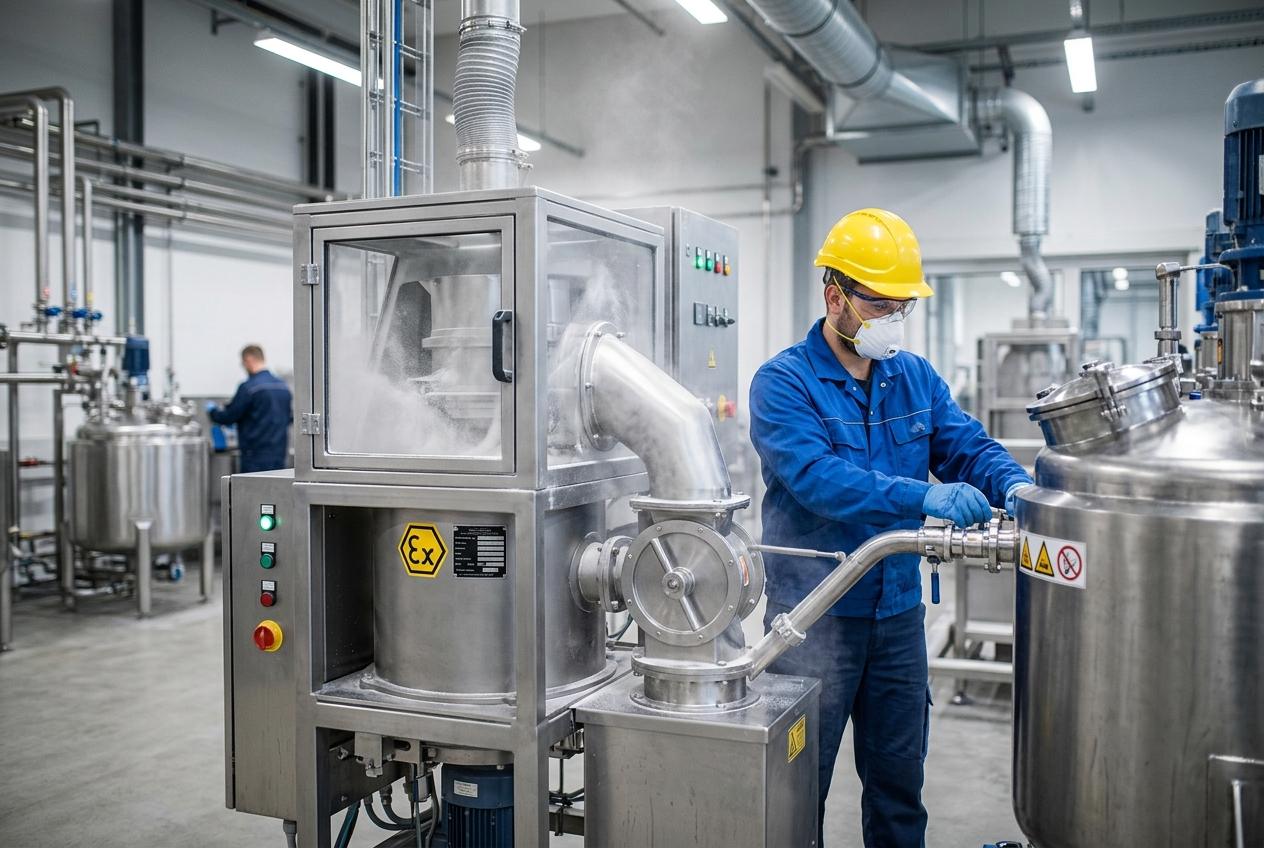
Equipment used within classified zones must carry appropriate ATEX certification. Standard electrical motors, switches, and lighting are prohibited in Zone 21 and Zone 22 areas unless rated for explosive atmospheres. This requirement extends to extraction equipment, vacuum systems, and any powered tools used where dust accumulates.
The regulations demand more than just certified equipment. Employers must conduct formal risk assessments, create explosion protection documents, and implement control measures following the hierarchy: elimination, substitution, engineering controls, administrative controls, and finally personal protective equipment. Underestimating the danger of combustible dust Leads to exactly the disasters these regulations aim to prevent.
Consequences for Businesses
Noncompliance carries consequences beyond the obvious physical dangers. Insurance claims following dust explosions face intense scrutiny. Policies may be voided entirely if investigators determine that basic safety requirements were ignored. The financial impact extends to business interruption, equipment replacement, and potential civil litigation from injured workers or neighbouring properties.
Regulatory enforcement has sharpened considerably. HSE inspectors now specifically examine dust management during routine visits. Improvement notices require immediate action, while prohibition notices halt operations entirely until hazards are addressed. Criminal prosecution remains possible for serious breaches, with directors personally liable in some circumstances.
The woodworking industry accounts for over 20% of all combustible dust incidents – a disproportionate share that regulators are actively working to reduce. Increased inspection frequency and stricter enforcement reflect this priority.
How to Stay Compliant
Effective dust management requires systematic approaches rather than reactive cleaning. Start with a thorough assessment of current conditions:
- Identify all dust-generating processes and their particle characteristics
- Map accumulation points throughout the facility, including hidden areas
- Evaluate extraction equipment against ATEX zone requirements
- Review maintenance records for filters, ducting, and collection systems
- Assess ignition source controls and electrical equipment ratings
Engineering controls form the primary defence. Properly designed extraction systems capture dust at source before it can disperse. LEV systems should maintain minimum capture velocities for the materials processed, with ducting designed to prevent settlement. Collection equipment must be located outside buildings or within purpose-built enclosures.
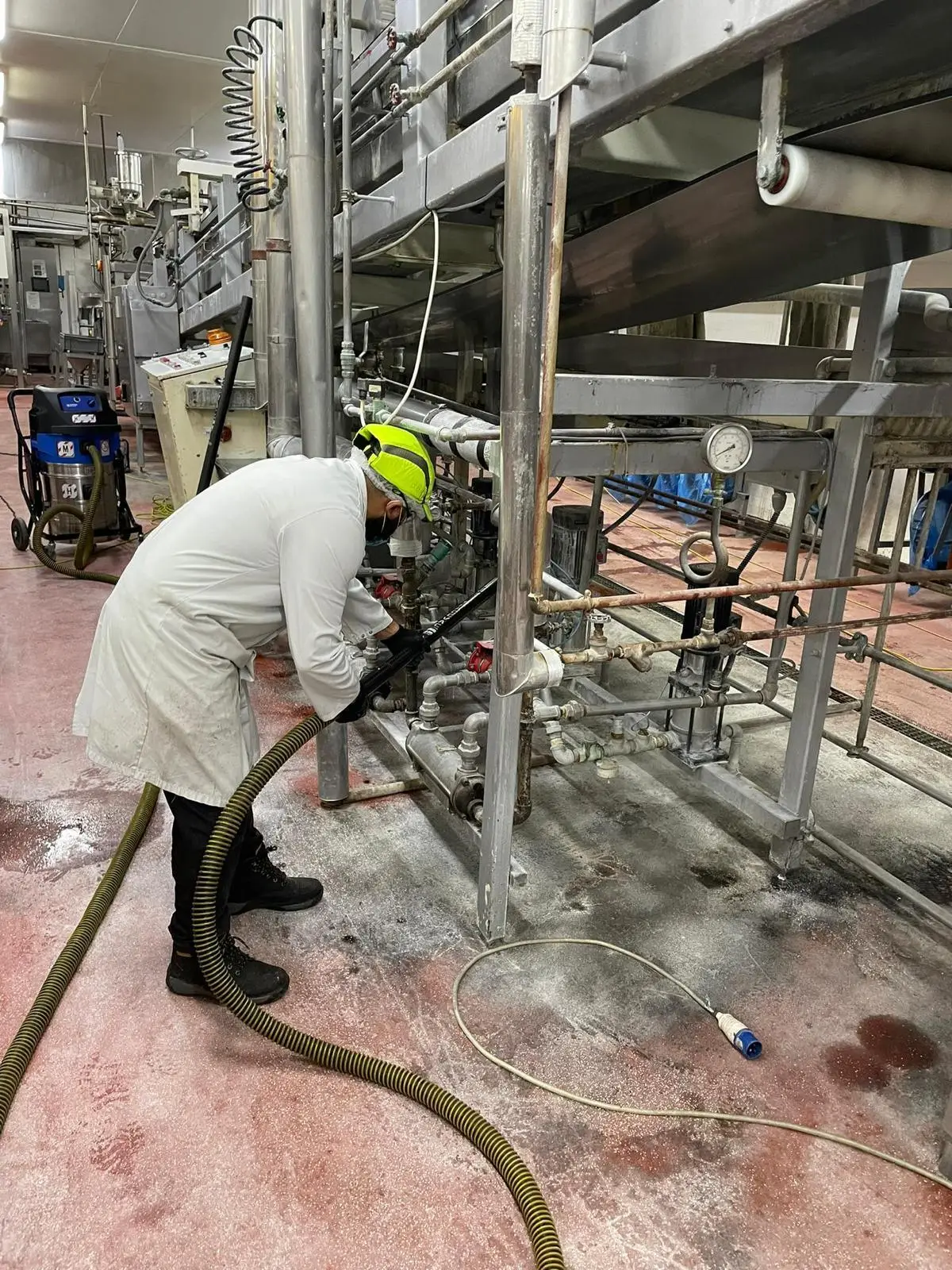
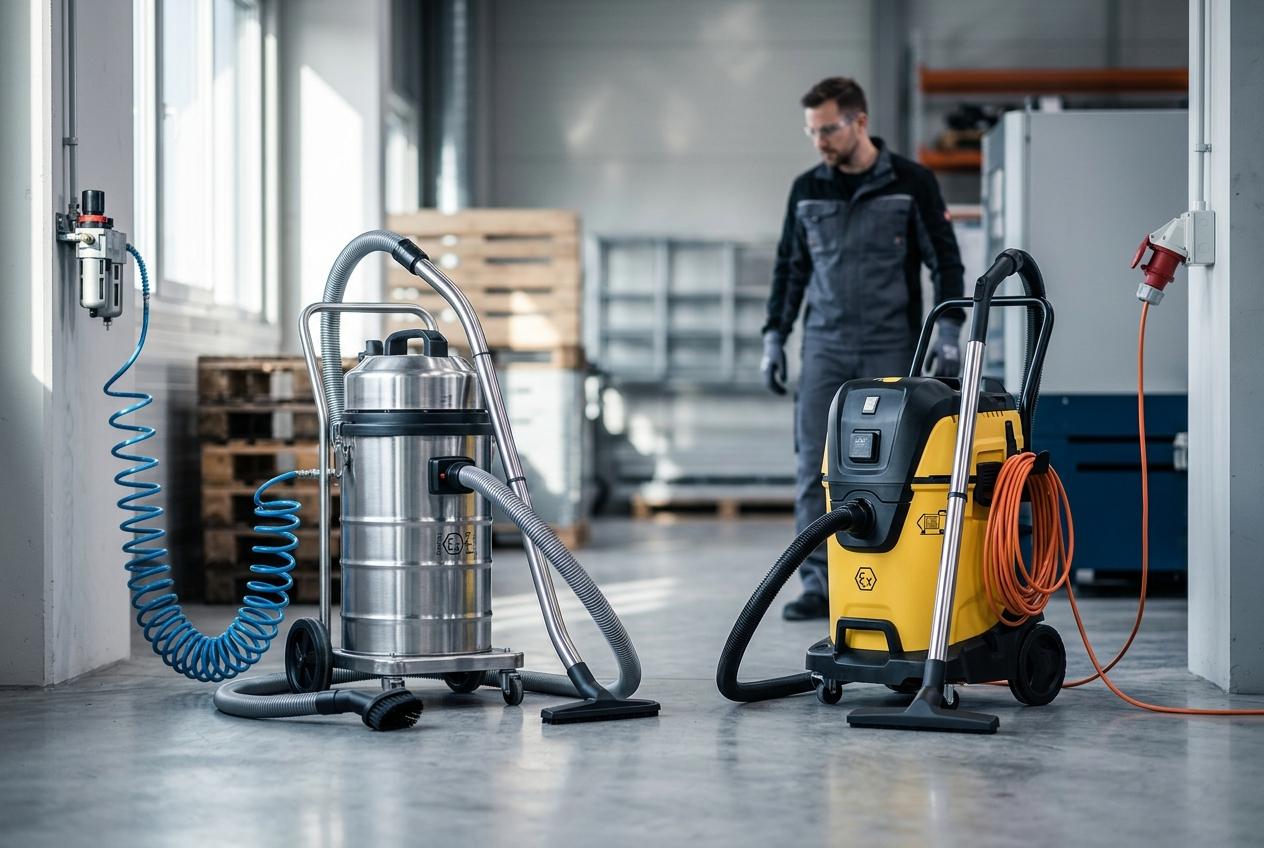
Housekeeping programmes require scheduled cleaning of all surfaces where dust settles. Compressed air for cleaning is prohibited – it creates exactly the suspended clouds that enable explosions. ATEX-rated vacuum systems or wet cleaning methods are the only acceptable approaches.
Regular equipment maintenance prevents the gradual degradation that leads to ignition. Motor brushes, bearings, belts, and electrical connections require scheduled inspection. Filter condition monitoring ensures extraction efficiency remains adequate.
Book a Site Survey
Most workshop owners genuinely want to operate safely but lack the specialist knowledge to identify every hazard. The gap between good intentions and actual compliance often comes down to expertise – knowing what to look for, where risks hide, and which solutions actually work for specific operations.
Professional assessment provides clarity. A trained specialist examines your facility with fresh eyes, identifying accumulation points you’ve stopped noticing and equipment configurations that create unnecessary risk. The result is a clear picture of current status and a practical road map for improvement. If you’re uncertain whether your site meets current requirements, book a free site survey To identify any dust or compliance issues. There’s no obligation – just honest assessment and recommendations tailored to your operation.