Introduction
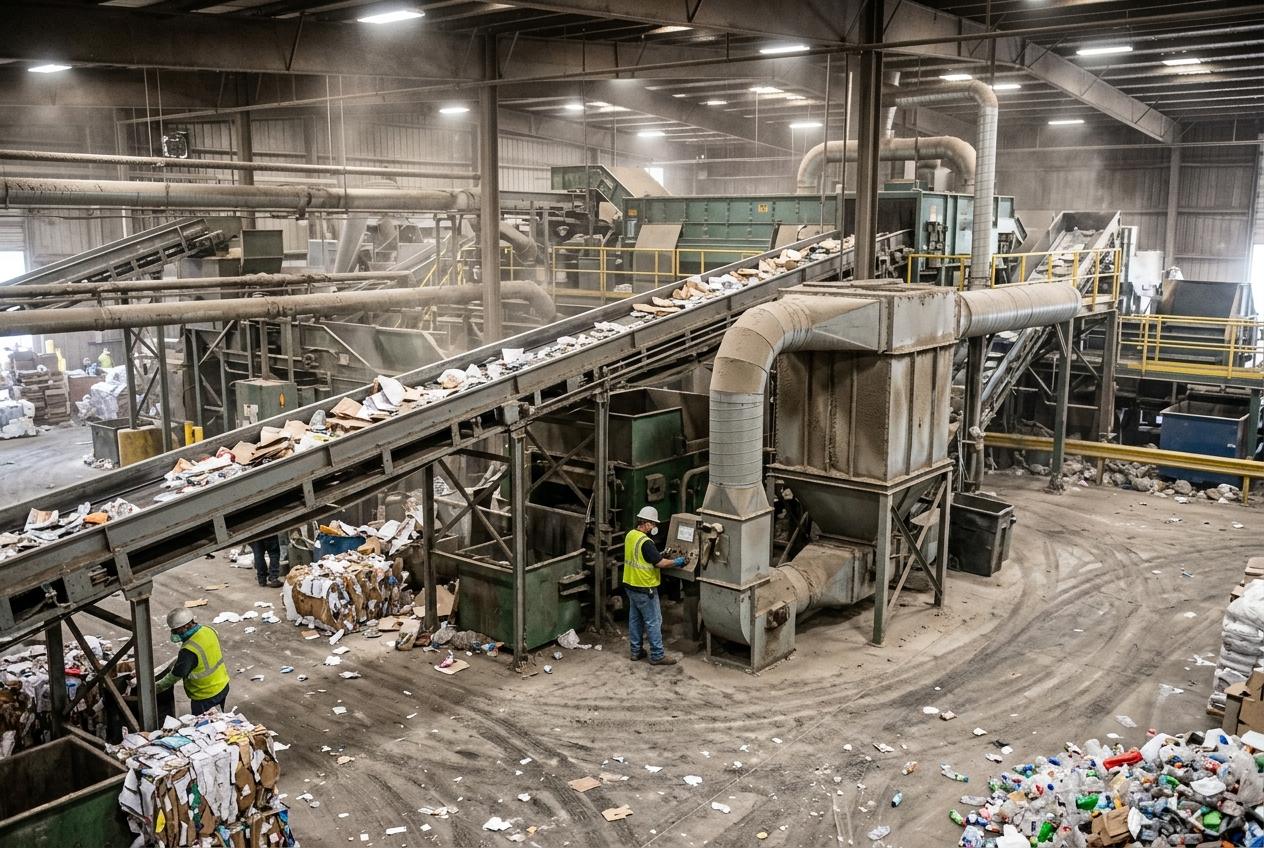
A recycling plant processes thousands of tonnes of mixed materials each year, transforming waste into valuable resources. Yet beneath this environmental success story lies a danger than catches many facility managers off guard: the accumulation of combustible dust. While most people associate explosion risks with chemical plants or grain silos, recycling facilities face a unique and often underestimated threat from the diverse materials passing through their operations.
The statistics paint a sobering picture. Approximately 2,000 dust explosions occur in factories and industrial facilities across Europe each year, with waste processing sites among the most vulnerable. Unlike facilities handling single materials, recycling plants deal with an unpredictable cocktail of paper fibres, plastic particles, organic residues, and metal fragments, each piece of contributing to a complex hazard profile. Understanding this hidden explosion risk isn’t optional; it’s essential for protecting workers, equipment, and business continuity.
Why Mixed Dust Is Dangerous
Single-material dust hazards are well documented. Grain dust, coal dust, and flour have caused catastrophic explosions throughout industrial history. Recycling facilities face a more insidious problem: mixed dust with unpredictable combustion characteristics.
When paper fibres combine with plastic particles and organic residues, the resulting mixture can ignite at lower temperatures than any individual component. The combustion behaviour becomes difficult to predict because different materials contribute varying levels of fuel, oxygen absorption, and ignition sensitivity. A dust cloud that might be relatively stable when composed of one material becomes volatile when contaminated with traces of another.
This variability makes standard safety calculations unreliable. The minimum ignition energy, explosion pressure, and deflagration index all shift depending on the day’s intake. A facility might process mostly cardboard one week and receive a shipment heavy with plastic film the next, fundamentally changing the risk profile without any visible warning signs.
Common Combustible Materials (Paper, Plastic, Organic Waste)
Paper and cardboard generate fine cellulose fibres during shredding, baling, and sorting operations. These fibres become airborne easily and settle on surfaces throughout the facility, creating fuel deposits that accumulate over time.
Plastics present a dual hazard. During processing, they release both particulate matter and volatile organic compounds. Certain plastics, particularly those containing chlorine, can produce toxic gases when ignited, compounding the danger of any fire or explosion event.
Organic waste, including food residues and garden materials, introduces biological decomposition into the equation. As organic matter breaks down, it can generate heat through microbial activity while simultaneously producing fine particles. This combination creates conditions where spontaneous ignition becomes possible, particularly in areas with poor ventilation or where materials sit for extended periods.
Dust Accumulation in Recycling Plants
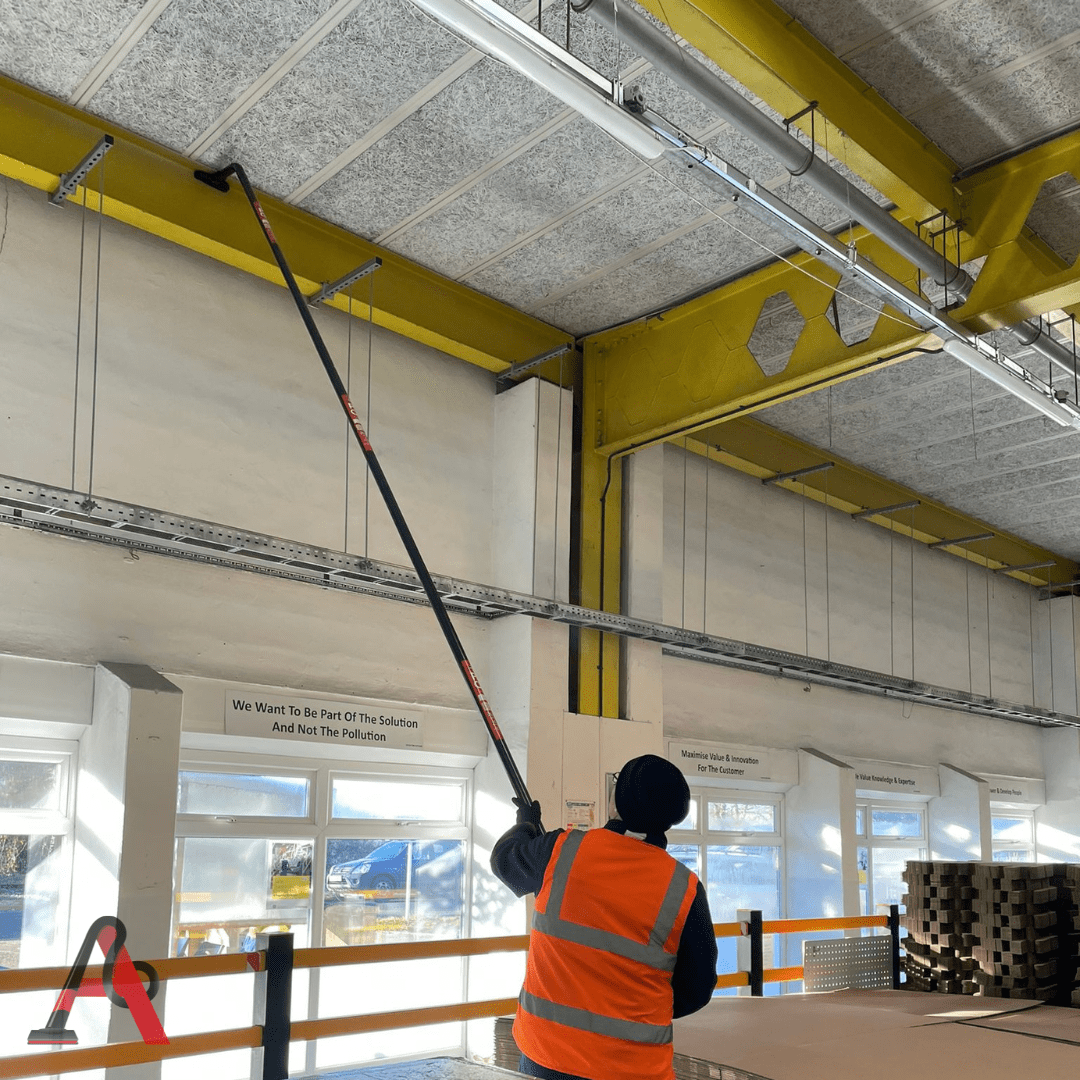
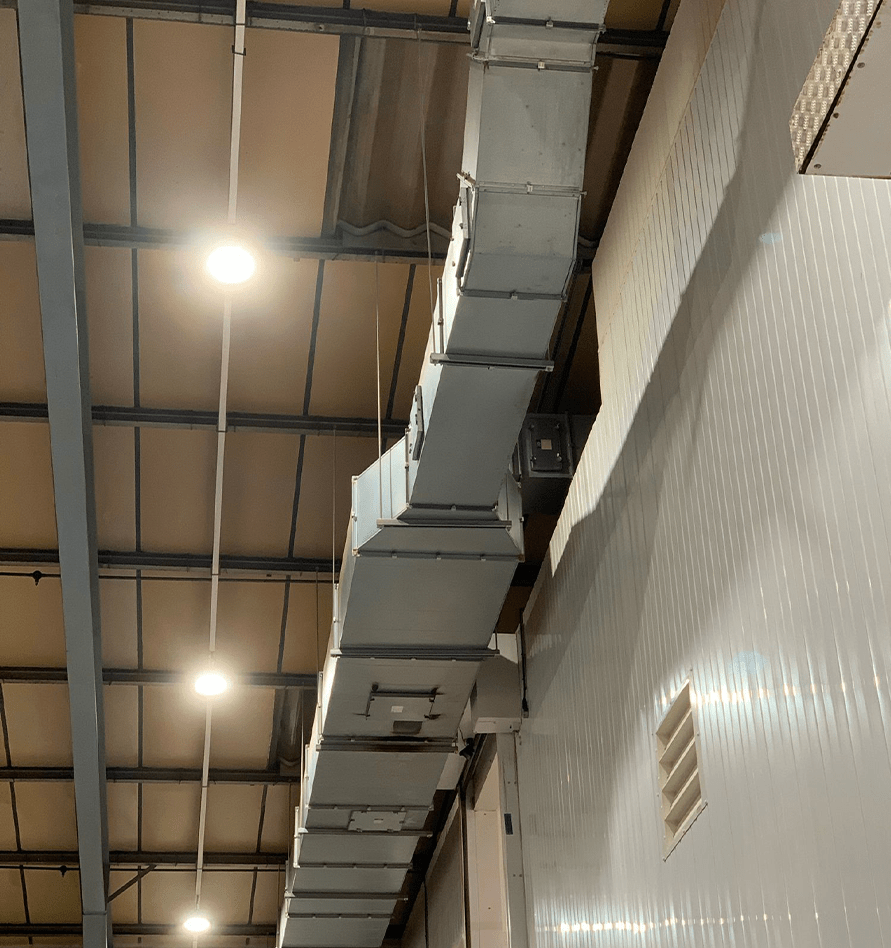
Dust doesn’t announce its presence dramatically. It accumulates gradually on rafters, behind equipment, inside duct work, and on elevated surfaces that rarely receive attention during routine cleaning. A thin layer might seem harmless, yet just 1/32 of an inch covering 5% of a room’s floor area can create explosive conditions.
Recycling facilities present particular challenges for dust control. The constant movement of materials, vibration from heavy machinery, and airflow from ventilation systems keep particles circulating. Dust settles during quiet periods, then becomes airborne again when operations resume. This cycle means that even recently cleaned areas can quickly return to hazardous conditions.
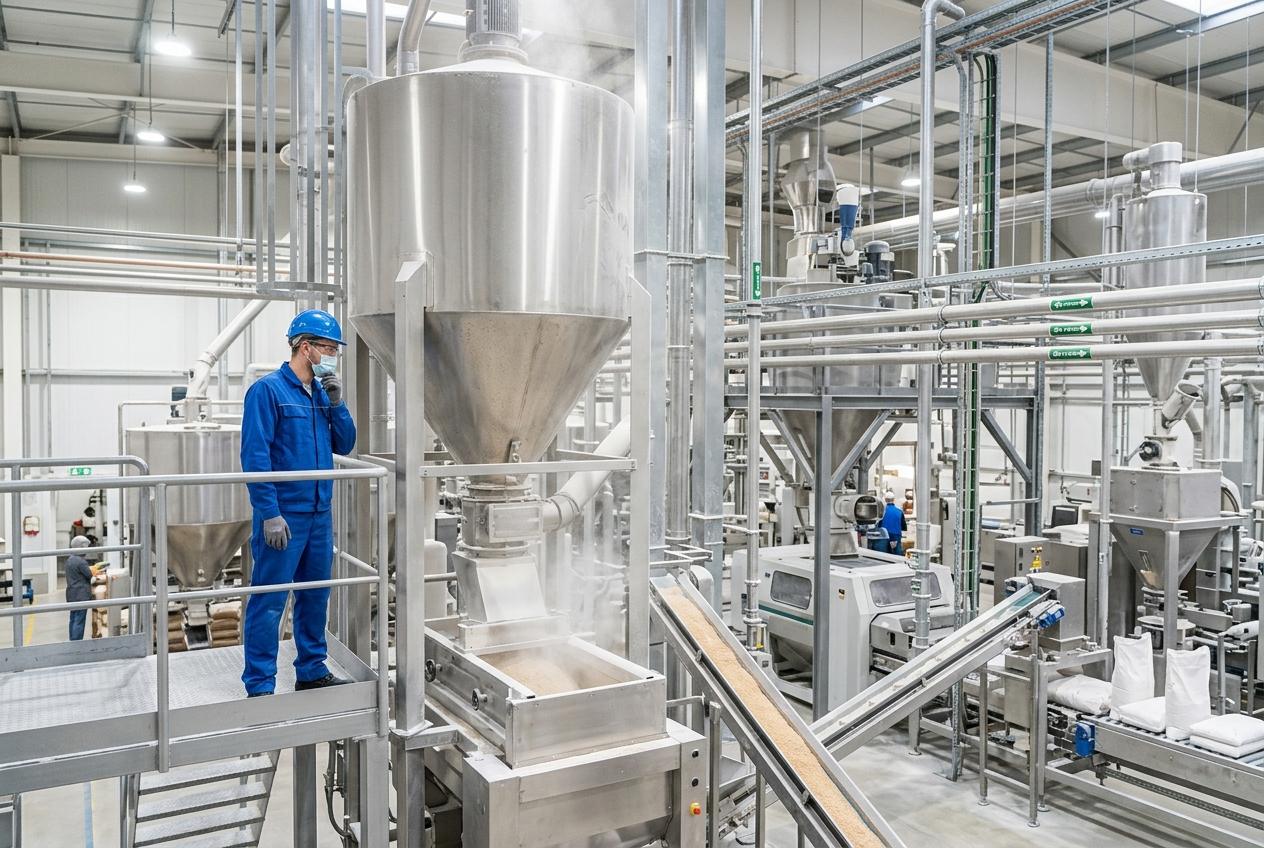
Storage silos Demonstrated the highest percentage at 36% of combustible dust incidents in a 2023 analysis, highlighting how enclosed spaces concentrate risk. In recycling operations, similar accumulation occurs in hoppers, conveyors, and sorting machinery where material transitions create friction and particle release.
Ignition Sources You Might Overlook
Obvious ignition sources like open flames and welding sparks receive appropriate attention. The overlooked sources cause the majority of incidents.
Mechanical friction from conveyor bearings, sorting equipment, and shredder components generates heat continuously during operation. A failing bearing can reach temperatures exceeding 300°C, well above the ignition point for most organic dusts. Static electricity discharge presents another hidden threat, particularly in facilities processing plastic materials that readily build electrical charge.
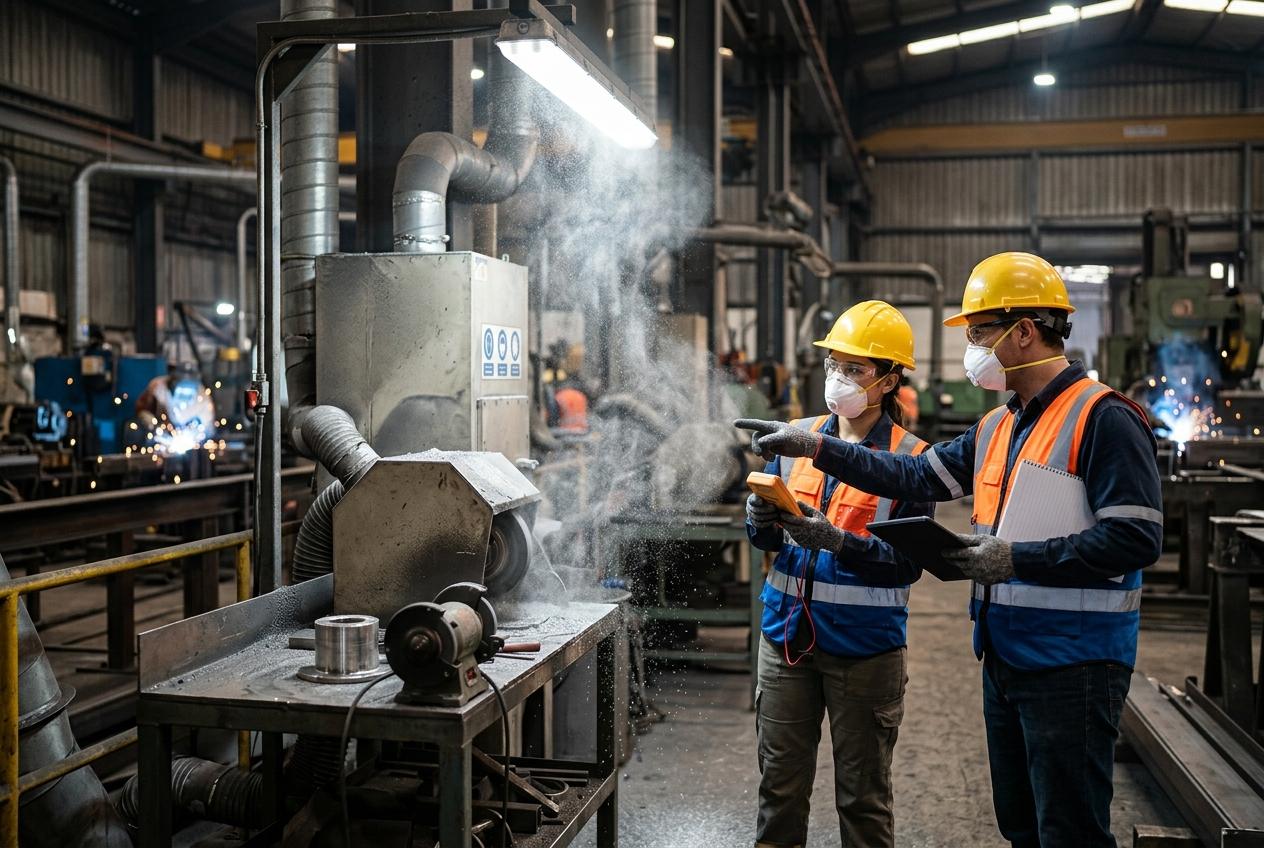
Electrical equipment, even when properly rated for general industrial use, can provide ignition energy through arcing contacts, overheated motors, or damaged wiring. Hot surfaces on lighting fixtures, heating equipment, and process machinery create ignition points when dust settles directly on them. Even mobile phones and non-intrinsically safe electronic devices can trigger explosions in dust-laden atmospheres under the right conditions.
ATEX in Waste Management
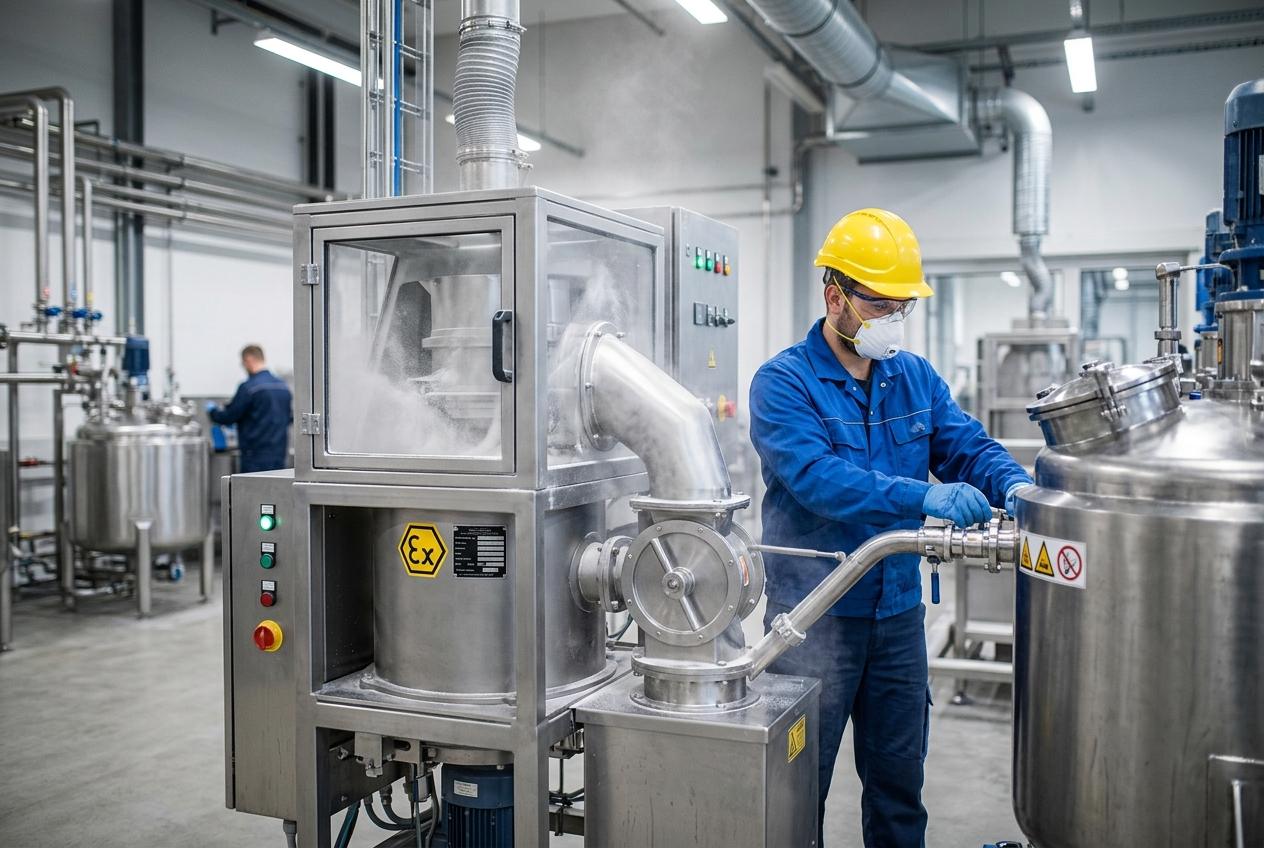
The ATEX Directives establish the legal framework for explosion protection across European workplaces. These regulations require facility operators to assess explosion risks, classify hazardous zones, and implement appropriate protective measures.
For recycling facilities, ATEX compliance begins With zone classification. Areas where explosive atmospheres may occur continuously receive Zone 20 designation, requiring the highest level of equipment protection. Zones 21 and 22 apply to areas where explosive conditions occur occasionally or rarely. Most recycling operations contain a mixture of all three zone types, creating complex compliance requirements.
Equipment used in classified zones must carry appropriate ATEX certification. This includes everything from lighting and motors to sensors and control panels. Non-compliant equipment represents both a safety hazard and a legal liability, with significant penalties for violations discovered during inspections or, worse, after an incident.
The Waste sector ranks as the third most accident-prone industry, with waste management sites responsible for 15 major accidents in the EU during a recent five-year period. Regulatory scrutiny continues to increase as authorities recognise the scale of risk these facilities present.
Real-World Risks
The consequences of ignoring dust explosion hazards extend beyond theoretical concerns. Data from 2018-2020 revealed that Approximately two-thirds of combustible dust incidents resulted in facility damages exceeding $100,000. Many incidents caused significantly greater losses, including complete facility destruction.
Human costs prove even more devastating. Analysis of 2023 incidents showed that 66% of recorded fatalities occurred due to dust explosions, making them the deadliest category of combustible dust events. Survivors often face life-changing injuries including severe burns, respiratory damage, and hearing loss.
As Kevin Spiess, EMEA sales manager for Explosion Protection at BS&B Safety Systems, notes: “Any industry which handles fine organic dusts is at risk of materials burning and exploding.” This assessment applies directly to recycling operations where organic materials form a substantial portion of the waste stream.
Business continuity suffers dramatically following explosion incidents. Beyond immediate repair costs, facilities face regulatory investigations, potential prosecution, increased insurance premiums, and reputational damage that can take years to overcome.
Preventative Measures
Effective dust explosion prevention Follows the Hierarchy of Controls, prioritising elimination over protection. Where elimination proves impossible, engineering controls take precedence over administrative measures.
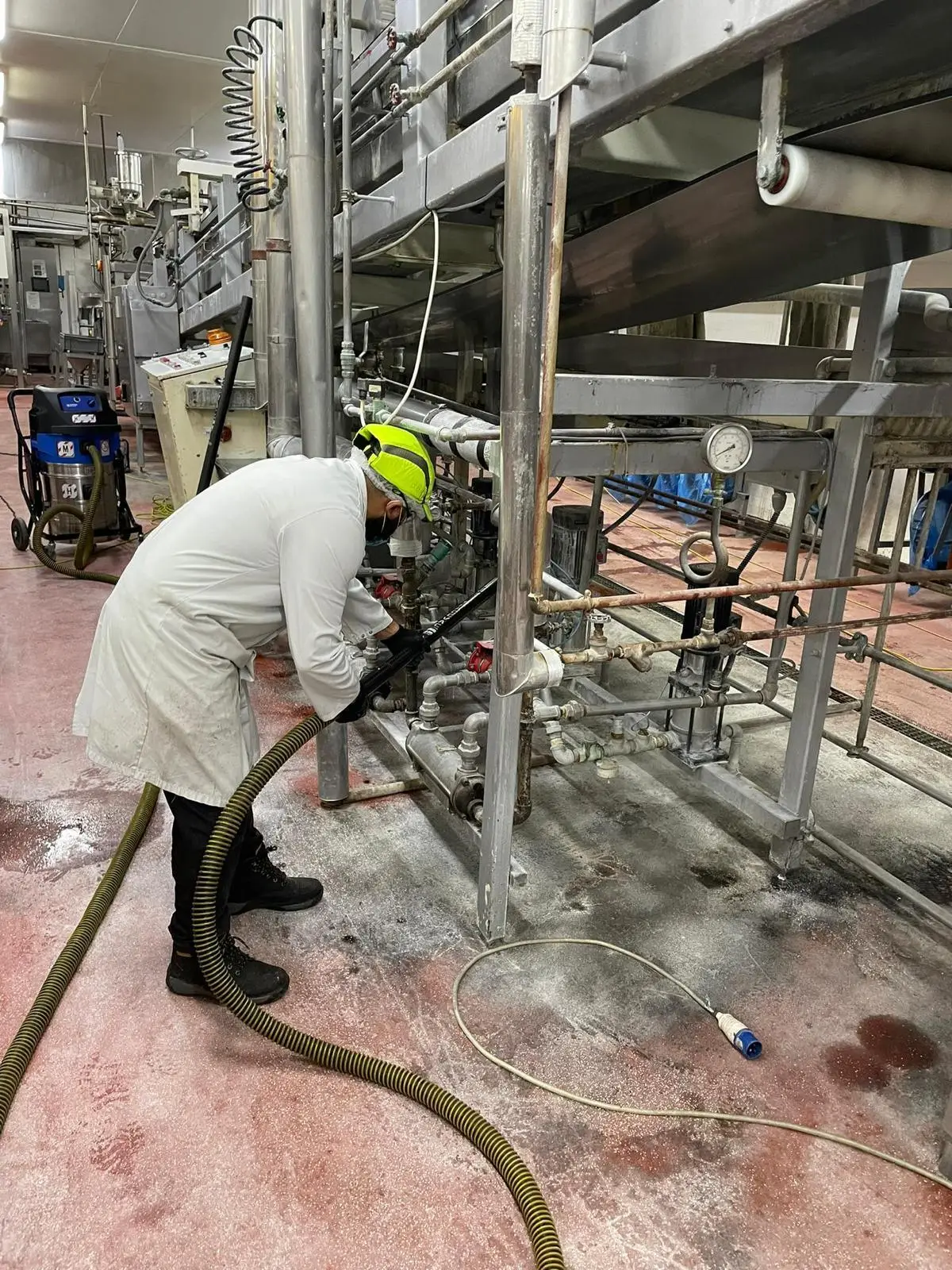
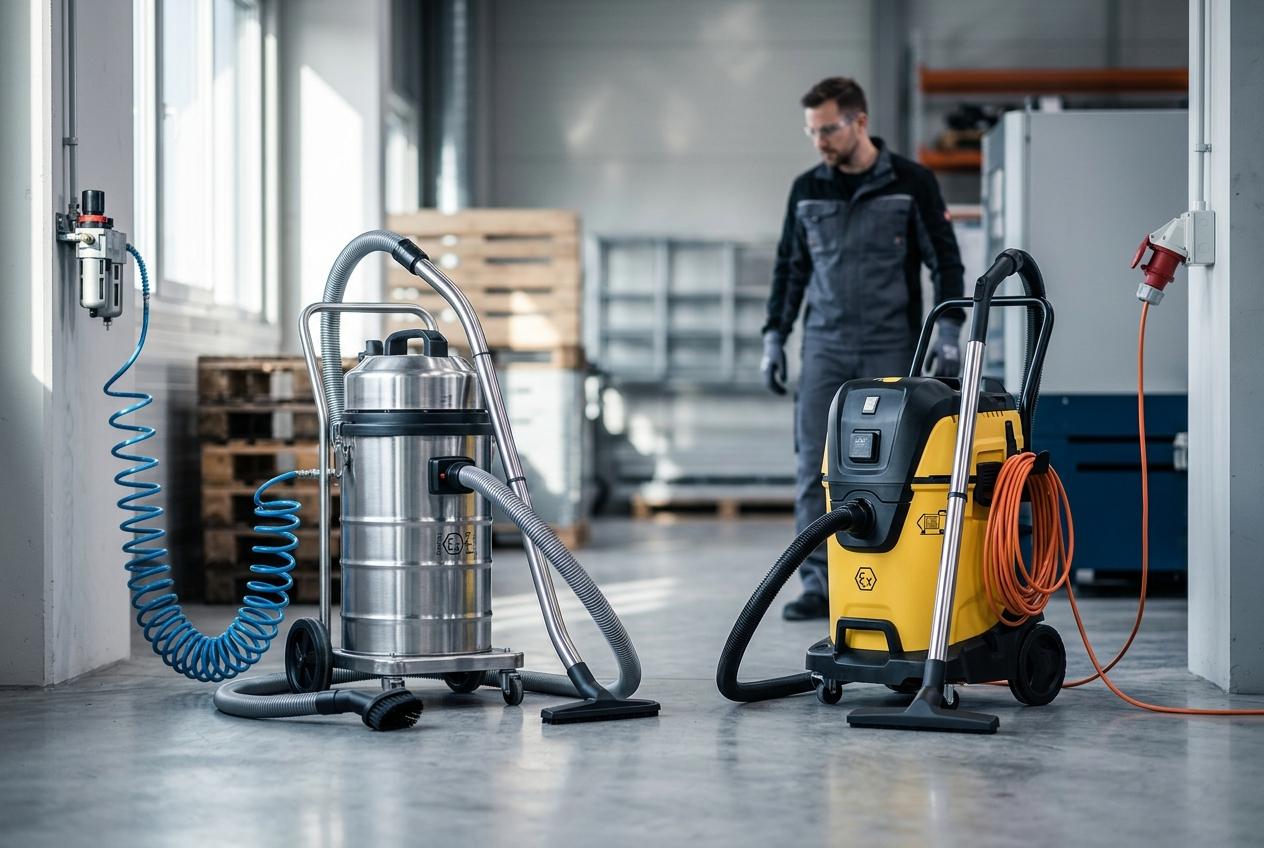
Housekeeping programmes form the foundation of dust control. Regular cleaning schedules must address not just visible accumulation but also hidden deposits in elevated areas, behind equipment, and inside enclosed spaces. Industrial vacuum systems rated for combustible dust collection provide safe removal without dispersing particles into the atmosphere.
Ventilation systems require careful design to capture dust at source while avoiding the creation of explosive concentrations in duct work. Local exhaust ventilation at shredders, conveyors, and sorting stations reduces airborne particles before they can spread throughout the facility.
Explosion venting, suppression systems, and isolation devices provide last-line protection when primary prevention fails. These engineered safeguards must be properly sized, regularly maintained, and inspected by qualified personnel. Equipment maintenance programmes should specifically address friction-generating components, electrical connections, and static dissipation systems.
Training ensures that workers understand both the hazards they face and the procedures designed to protect them. Staff should recognise warning signs of dust accumulation, know how to report concerns, and understand emergency procedures.
Request a Dust Risk Assessment
Recycling facilities occupy a unique position in the industrial risk landscape. The combination of diverse materials, continuous processing, and variable intake creates explosion hazards that demand specialist attention. Standard industrial safety approaches often miss the specific vulnerabilities these operations present.
Compliance with ATEX regulations isn’t merely a legal obligation; it represents a practical framework for protecting people, property, and operational continuity. The facilities that avoid incidents share common characteristics: they understand their specific risks, maintain appropriate controls, and regularly verify that protection measures remain effective.
If you’re uncertain whether your facility meets current standards, book a free site assessment with our specialists. We’ll evaluate your dust accumulation patterns, identify compliance gaps, and recommend practical solutions tailored to your operation. Taking this step now costs nothing but could prevent losses that no business can afford.