Every year, the UK records approximately 50 dust explosion incidents, many of them preventable. For facilities that process grain, timber, metals, pharmaceuticals, or chemicals, the question of what ATEX cleaning is and why it’s non-negotiable for your business isn’t academic: it’s a matter of survival. A single layer of combustible dust, just millimetres thick on a structural beam or cable tray, holds enough energy to level an entire building. The 2008 Imperial Sugar refinery explosion in Georgia killed 14 workers and injured 36 more, all because sugar dust had been allowed to accumulate in areas that standard cleaning never reached. This article breaks down the regulatory framework, the science of explosive atmospheres, and the practical steps that separate a compliant facility from a disaster waiting to happen.
Free 2-Minute Assessment
Could Dust Accumulation Be Creating a Risk in Your Facility?
Use our free Dust Risk Assessment to get an indicative cleaning priority based on your facility, dust conditions and current cleaning arrangements.
Take the Free Dust Risk Assessment
✓ Takes around 2 minutes
✓ Free to use
✓ Instant indicative result
Defining ATEX Cleaning and the Science of Explosive Atmospheres
ATEX cleaning is the specialised removal of combustible dust, flammable residues, and other hazardous materials from areas classified as potentially explosive atmospheres. The term “ATEX” itself derives from the French “ATmosphères EXplosibles” and refers to two EU directives that the UK has retained in domestic law post-Brexit. Unlike conventional industrial cleaning, ATEX-compliant work requires purpose-built equipment, trained operatives, and strict procedural controls designed to prevent any ignition event during the cleaning process itself.
The science behind it rests on the Explosion Pentagon: five conditions must be present simultaneously for a dust explosion to occur. These are fuel (combustible dust), oxygen, an ignition source, dispersion of dust into a cloud, and confinement within an enclosed space. Remove any one element and the explosion cannot happen. ATEX cleaning targets the fuel element directly, eliminating accumulated dust before it can be disturbed and dispersed.
The ATEX Directives: Understanding 2014/34/EU and 1999/92/EC
Two directives form the backbone of ATEX regulation. Directive 2014/34/EU governs equipment and protective systems intended for use in explosive atmospheres, mandating that all tools and machinery carry appropriate ATEX certification. Directive 1999/92/EC places obligations on employers to assess explosion risks, classify hazardous zones, and implement measures to protect workers. In the UK, these requirements are enforced through the Dangerous Substances and Explosive Atmospheres Regulations 2002 (DSEAR), which carry significant penalties for non-compliance, including unlimited fines and custodial sentences.
The Role of Combustible Dust and Flammable Vapours
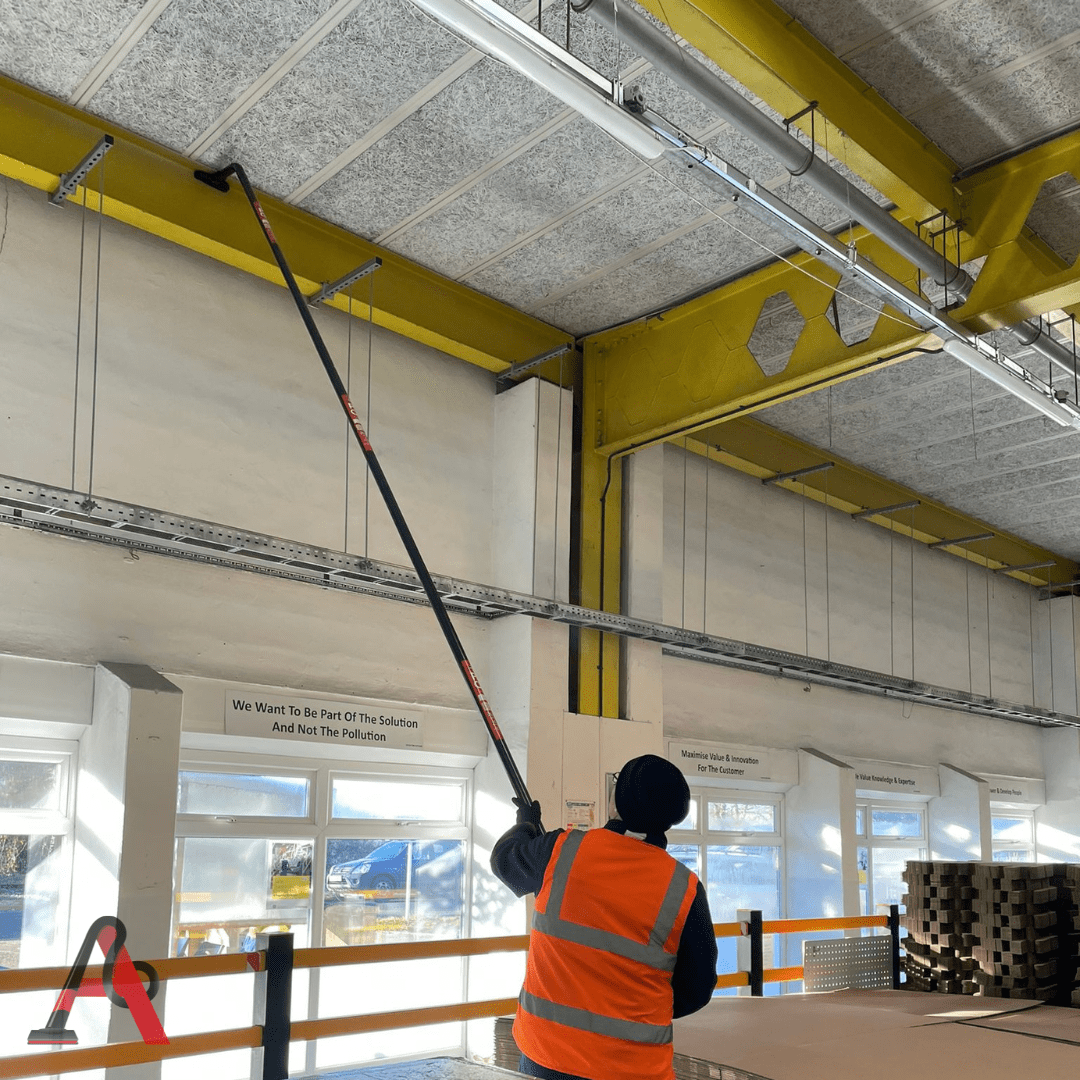
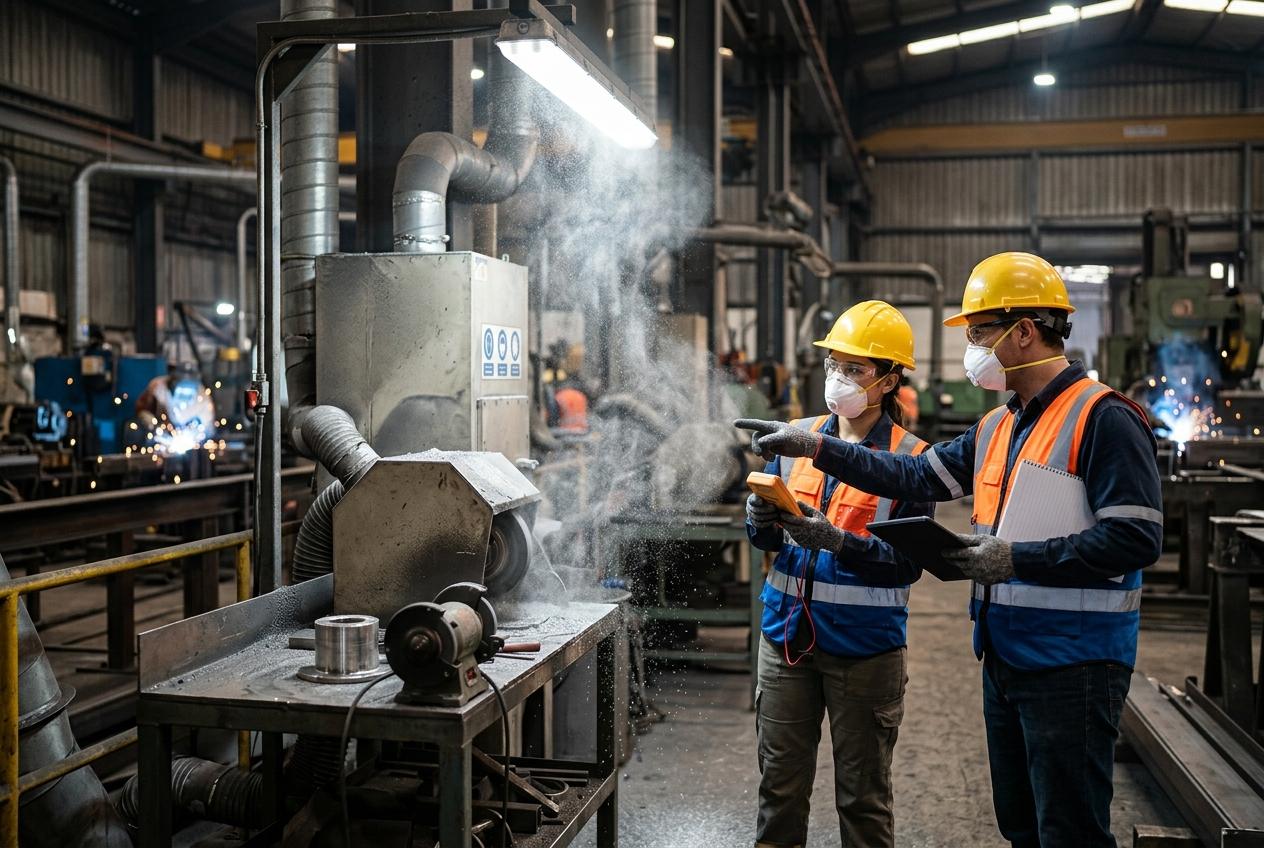
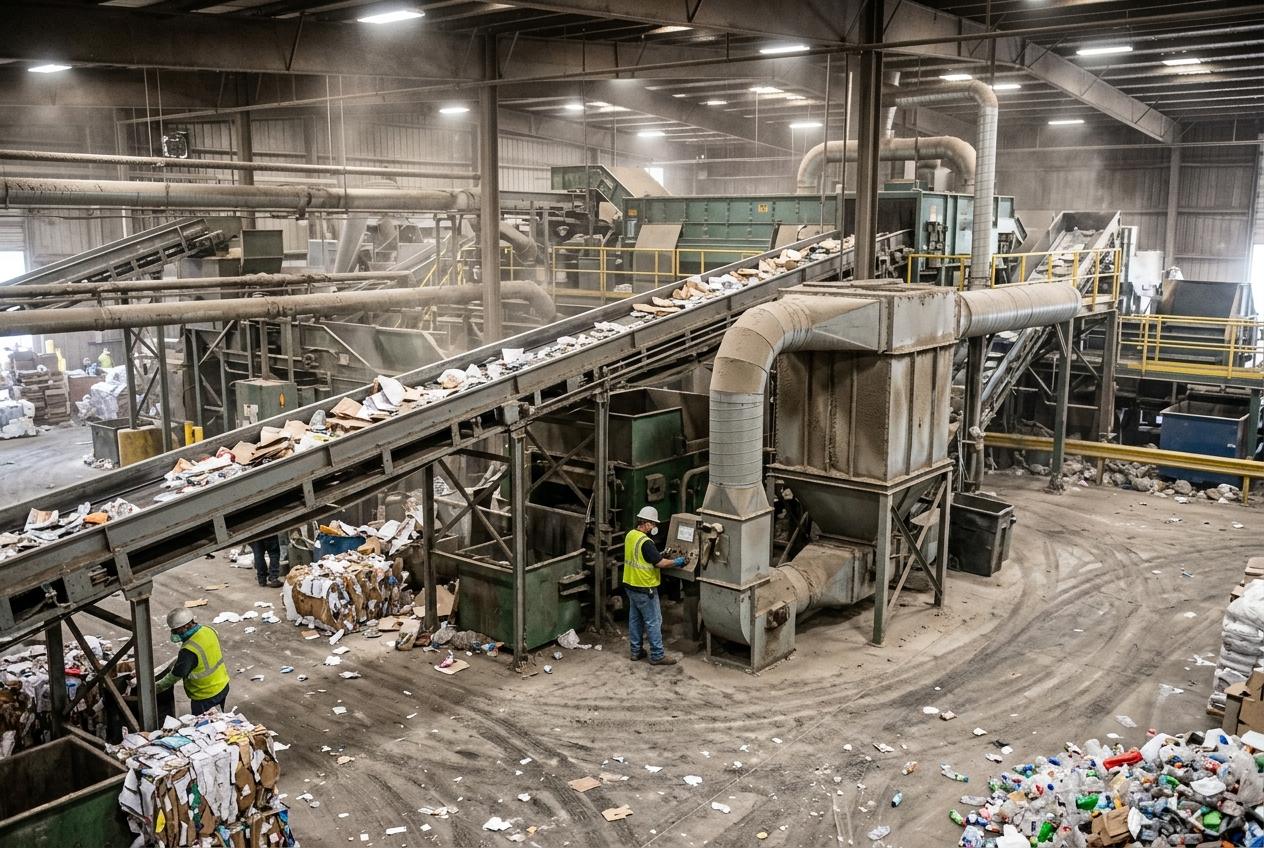
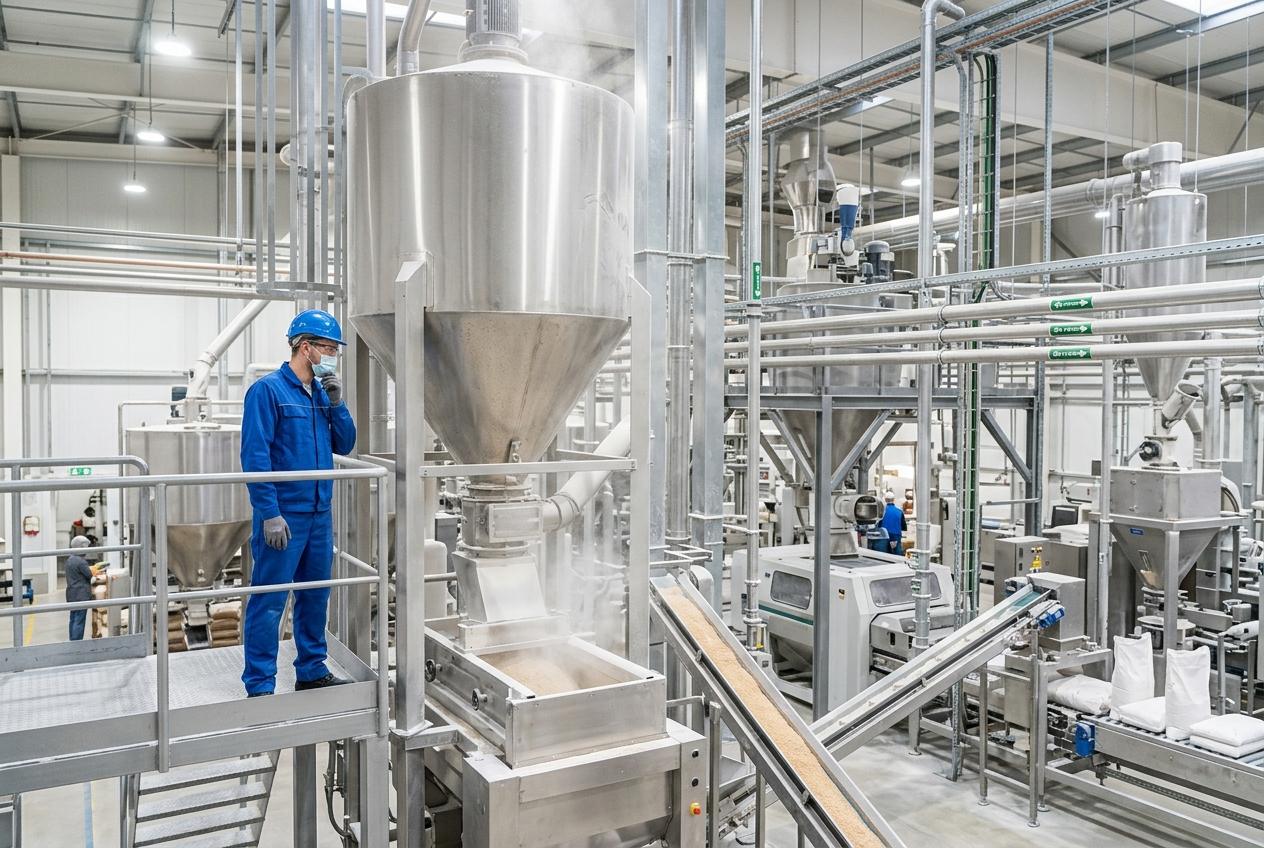
What makes fine dust so dangerous is particle size. A solid block of aluminium won’t ignite easily, but grind it into particles below 500 microns and the surface area exposed to oxygen increases exponentially. At that point, a small spark can trigger ignition in milliseconds. Flammable vapours from solvents, paints, and chemical processes behave similarly, forming explosive concentrations at room temperature. Common dust accumulation points that are frequently overlooked include the tops of equipment housings, the interiors of bucket elevators, pneumatic transfer lines, and overhead cable trays: areas that standard cleaning crews rarely access.
Why Specialised Industrial Cleaning is Non-Negotiable
The UK cleaning industry contributed £66.9 billion to the economy in 2022, yet only a fraction of cleaning providers are equipped to work in explosive atmospheres. The gap between general industrial cleaning and ATEX-compliant cleaning isn’t a matter of degree: it’s a fundamentally different discipline. Using the wrong approach doesn’t just leave dust behind; it can actively create the conditions for an explosion.
Mitigating the Risk of Primary and Secondary Explosions
The primary explosion is rarely the one that kills. A small initial ignition, perhaps inside a piece of enclosed equipment, sends a pressure wave through the facility. That shockwave disturbs settled dust on beams, ledges, and ductwork, suspending it into a dense cloud. Within fractions of a second, this freshly dispersed dust ignites, creating a secondary explosion that can be orders of magnitude more powerful than the first. Proper ATEX cleaning follows the Hierarchy of Controls: elimination of the fuel source first, followed by engineering controls such as explosion venting, then administrative measures like cleaning schedules and permit-to-work systems. Removing accumulated dust from those often-overlooked high-level surfaces is the single most effective way to prevent secondary explosions.
Ensuring Duty of Care and Legal Compliance
Under DSEAR, employers have a legal duty to identify dangerous substances in the workplace, assess the risks they present, and eliminate or control those risks. Failure to maintain an ATEX cleaning programme isn’t treated as a minor oversight by the Health and Safety Executive: it’s viewed as a fundamental breach of duty of care. Prosecution can result in unlimited fines for organisations and personal liability for directors and managers. Beyond the legal exposure, insurers increasingly require evidence of ATEX compliance before underwriting policies for facilities that handle combustible materials.
The Hazards of Standard Cleaning Methods in ATEX Zones
Sending a conventional cleaning team into an ATEX-classified zone is one of the most dangerous mistakes a facility manager can make. Standard methods introduce ignition sources that trained operatives would never permit.
Ignition Sources: Static Electricity and Mechanical Sparks
Ordinary vacuum cleaners, brooms, and compressed air lines are all potential ignition sources. A standard vacuum hose made from non-conductive plastic generates static electricity as dust particles pass through it. That static charge can discharge as a spark with enough energy to ignite a dust cloud. Compressed air, commonly used to “blow down” equipment, does something worse: it disperses settled dust into a suspended cloud, creating the exact conditions the Explosion Pentagon describes. Even metal tools dragged across concrete floors can produce mechanical sparks with temperatures exceeding 700°C, well above the minimum ignition temperature for many combustible dusts.
The Danger of Incorrect Equipment and Vacuum Systems
Not all industrial vacuum systems are ATEX-rated. A vacuum cleaner certified for Zone 22 (where explosive dust atmospheres are not likely to occur in normal operation) is wholly inadequate for Zone 20 (where explosive atmospheres are present continuously or for long periods). Using the wrong equipment category in the wrong zone is a direct violation of DSEAR and a recipe for catastrophe. Filters matter too: a standard filter can allow fine particles to pass through the exhaust, re-dispersing combustible dust back into the atmosphere rather than capturing it.
Core Components of a Compliant ATEX Cleaning Strategy
A credible ATEX cleaning strategy isn’t a single activity: it’s a documented system that integrates risk assessment, zonal classification, specialist equipment, and trained personnel.
Zonal Classification and Risk Assessment Requirements
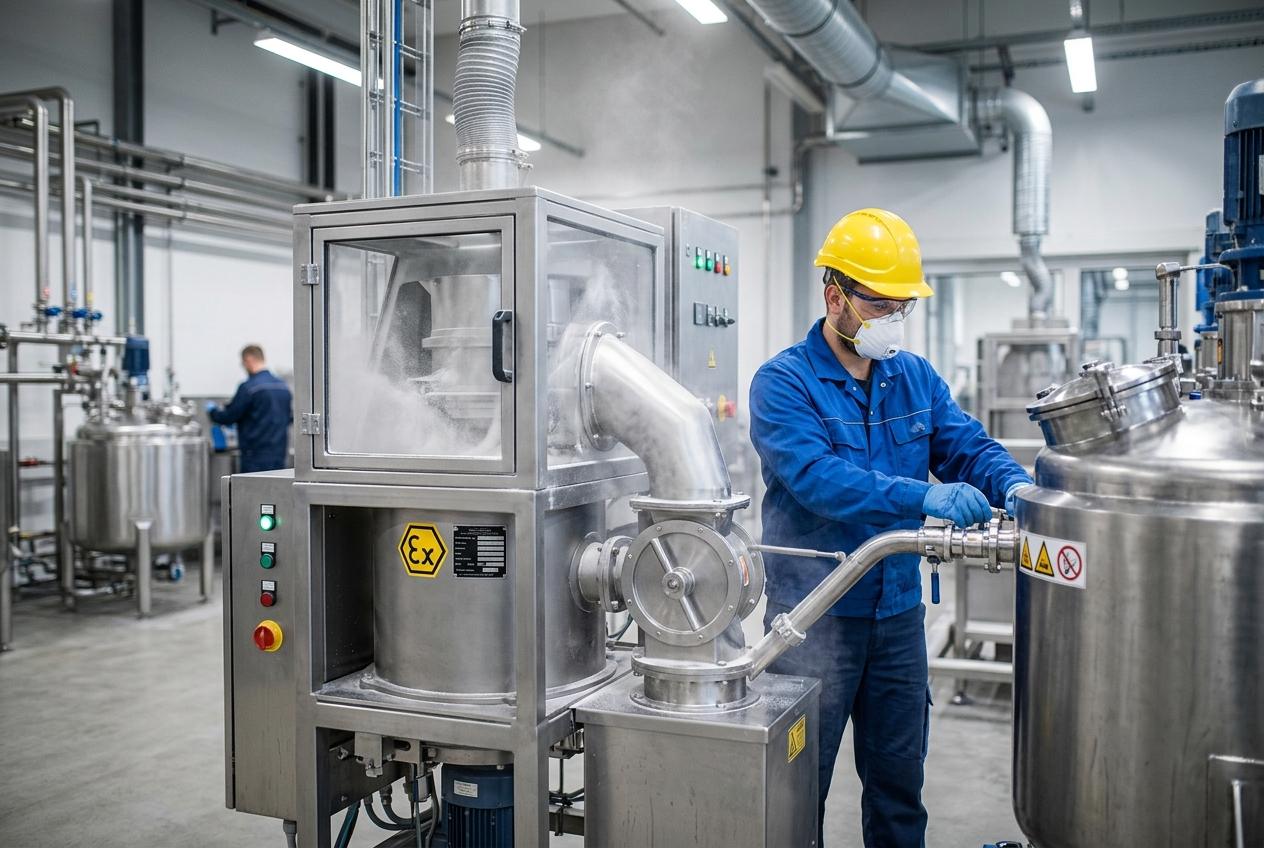
Every facility handling combustible materials must carry out an explosion risk assessment and classify areas into zones. Zone 0, 1, and 2 apply to gas and vapour hazards; Zone 20, 21, and 22 apply to dust. The classification determines which equipment categories can be used in each area and how frequently cleaning must occur. Risk assessments should be reviewed whenever processes change, new materials are introduced, or after any incident. These assessments form the foundation of your Explosion Protection Document (EPD), a legal requirement under DSEAR that must be kept up to date and available for inspection.
Specialist Tooling: HEPA Filtration and Anti-Static Materials
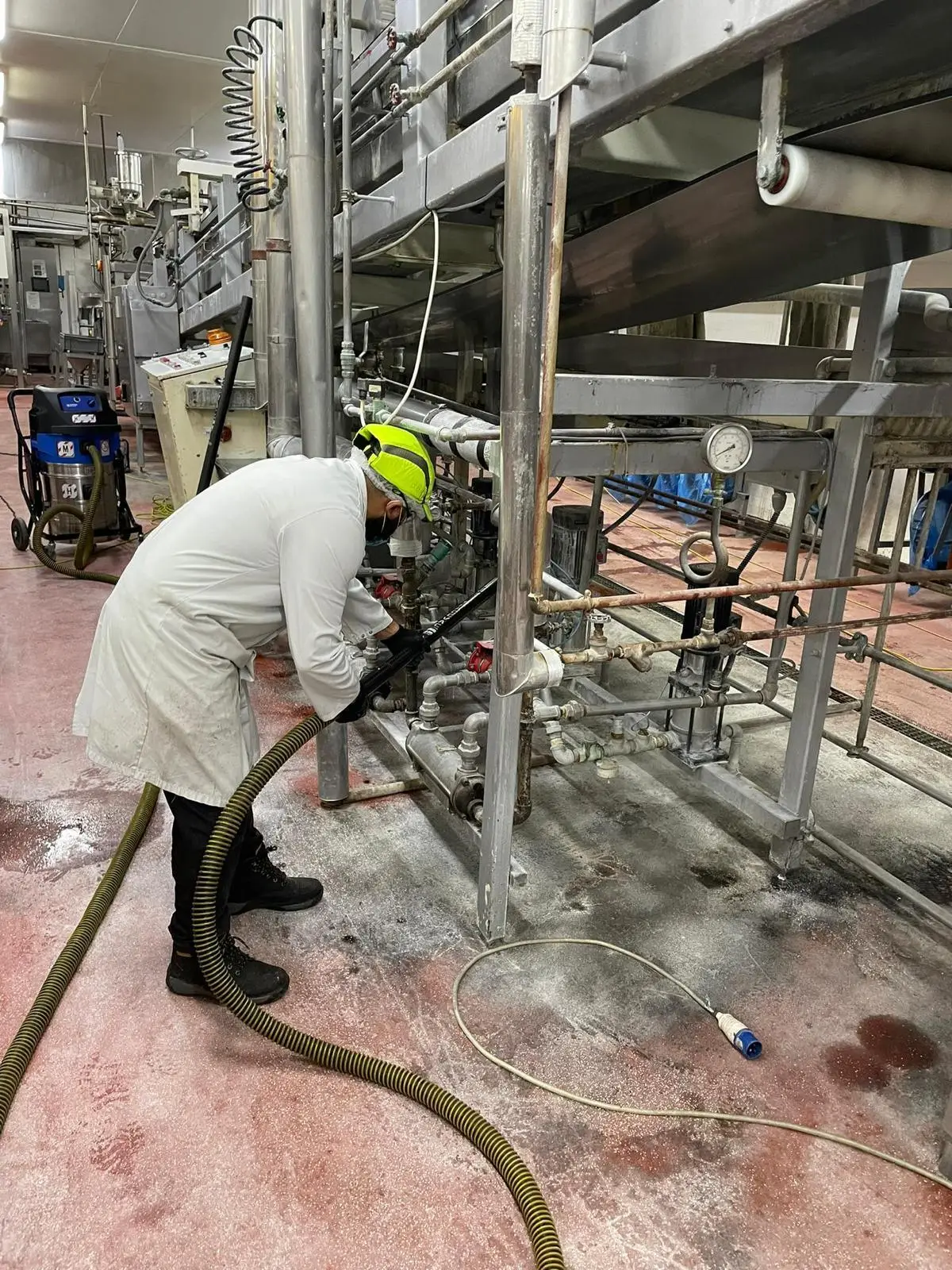
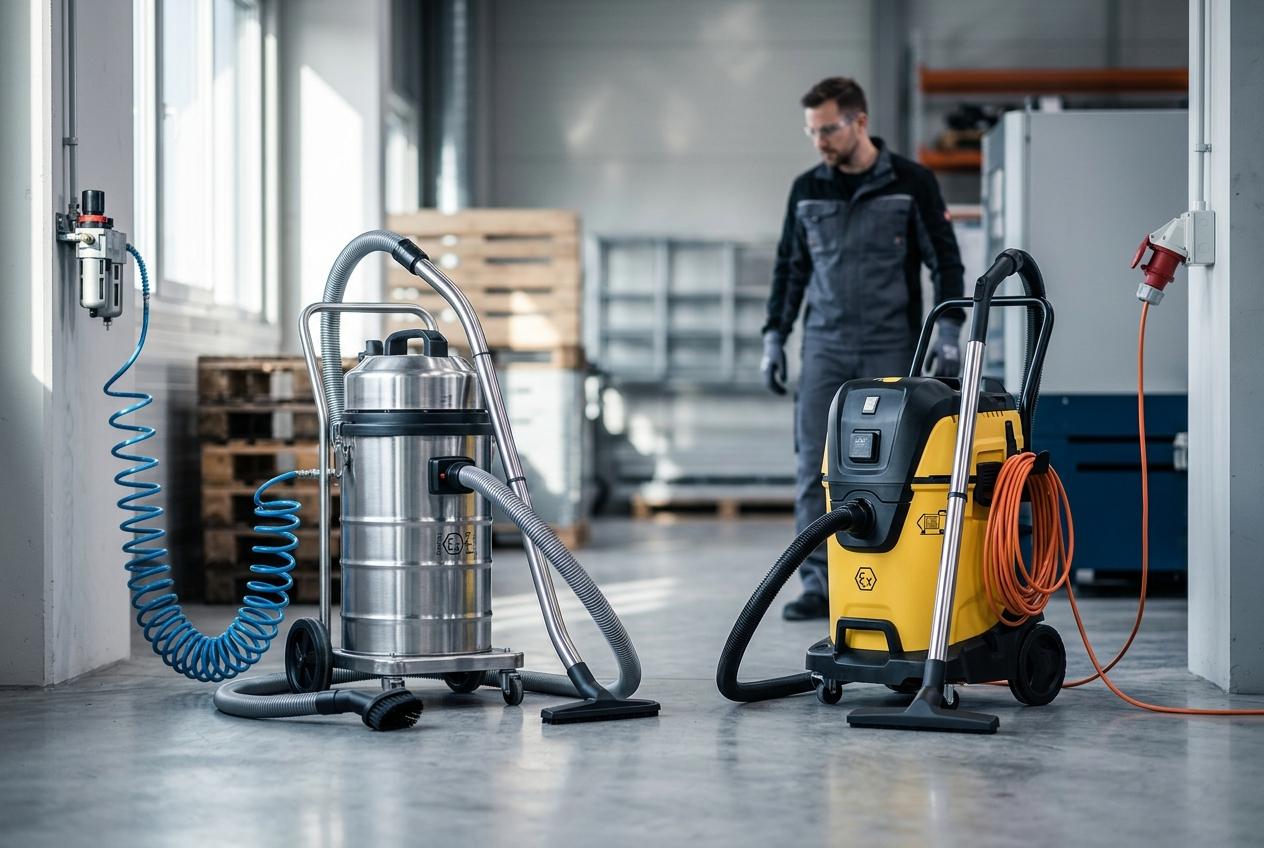
ATEX-compliant vacuum systems use HEPA filtration capable of capturing particles down to 0.3 microns, preventing re-dispersal of fine combustible dust. All hoses, nozzles, and collection vessels are constructed from anti-static, conductive materials that are earthed to prevent static charge build-up. Motors are sealed or located outside the hazardous zone entirely. GCC, one of the UK’s larger specialist providers, maintains fewer than 4 missed cleans per 1,000 across 30,000 UK cleans per month, demonstrating the consistency that ATEX work demands. Every component in the cleaning chain must carry the correct ATEX certification mark for the zone in which it operates.
Long-Term Business Benefits of Professional ATEX Maintenance
Compliance costs money. Non-compliance costs far more. The business case for professional ATEX maintenance extends well beyond avoiding fines.
Protecting Infrastructure and Reducing Operational Downtime
Combustible dust doesn’t just pose explosion risks: it accelerates wear on machinery, clogs ventilation systems, and degrades electrical components. Regular ATEX cleaning extends equipment life, reduces unplanned maintenance shutdowns, and keeps production lines running. The UK contract cleaning services market is projected to grow from USD 15,918.90 million in 2023 to USD 27,872.42 million by 2032, reflecting growing recognition that specialist cleaning is an investment in operational continuity, not just a regulatory box to tick.
Lowering Insurance Premiums through Rigorous Safety Protocols
Insurers price risk. A facility with a documented ATEX cleaning programme, up-to-date Explosion Protection Documents, and a track record of compliance inspections presents a materially lower risk profile than one without. Many insurers now offer reduced premiums for facilities that can demonstrate adherence to DSEAR requirements and regular third-party audits. Conversely, a facility that suffers an explosion without adequate cleaning records may find its insurance claim denied entirely on grounds of negligence.
Securing Your Facility with Certified Cleaning Partners
ATEX cleaning is not optional, negotiable, or something that can be handled by a general cleaning contractor with good intentions. It requires certified equipment, trained specialists, and a documented programme that aligns with DSEAR and the retained ATEX directives. The consequences of getting it wrong range from regulatory prosecution to catastrophic loss of life. The consequences of getting it right are quieter but profound: a safer workforce, lower insurance costs, reduced downtime, and the confidence that comes from knowing your facility meets the highest safety standards.
If you’re uncertain whether your site carries dust or vapour risks that require ATEX-compliant cleaning, the smartest first step is a professional assessment. Our team can visit your facility, identify potential hazards, and recommend a practical, cost-effective path forward with no obligation attached. Book a free site assessment to get started.