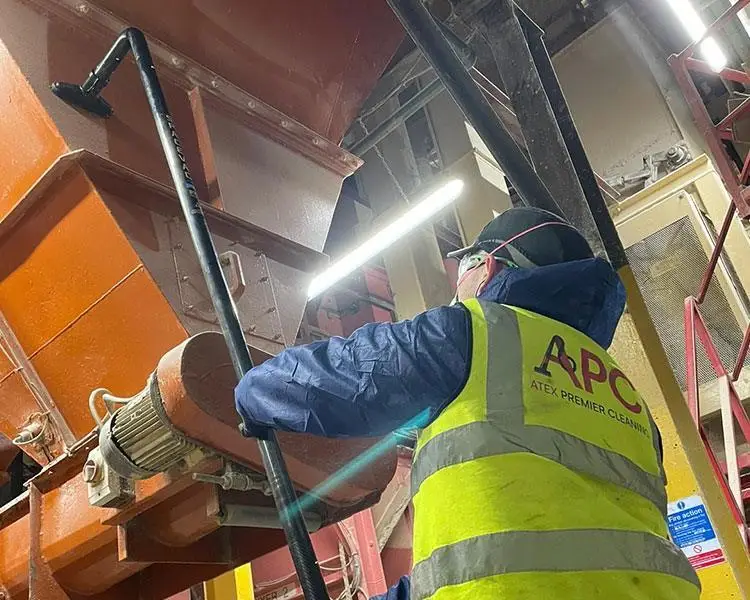
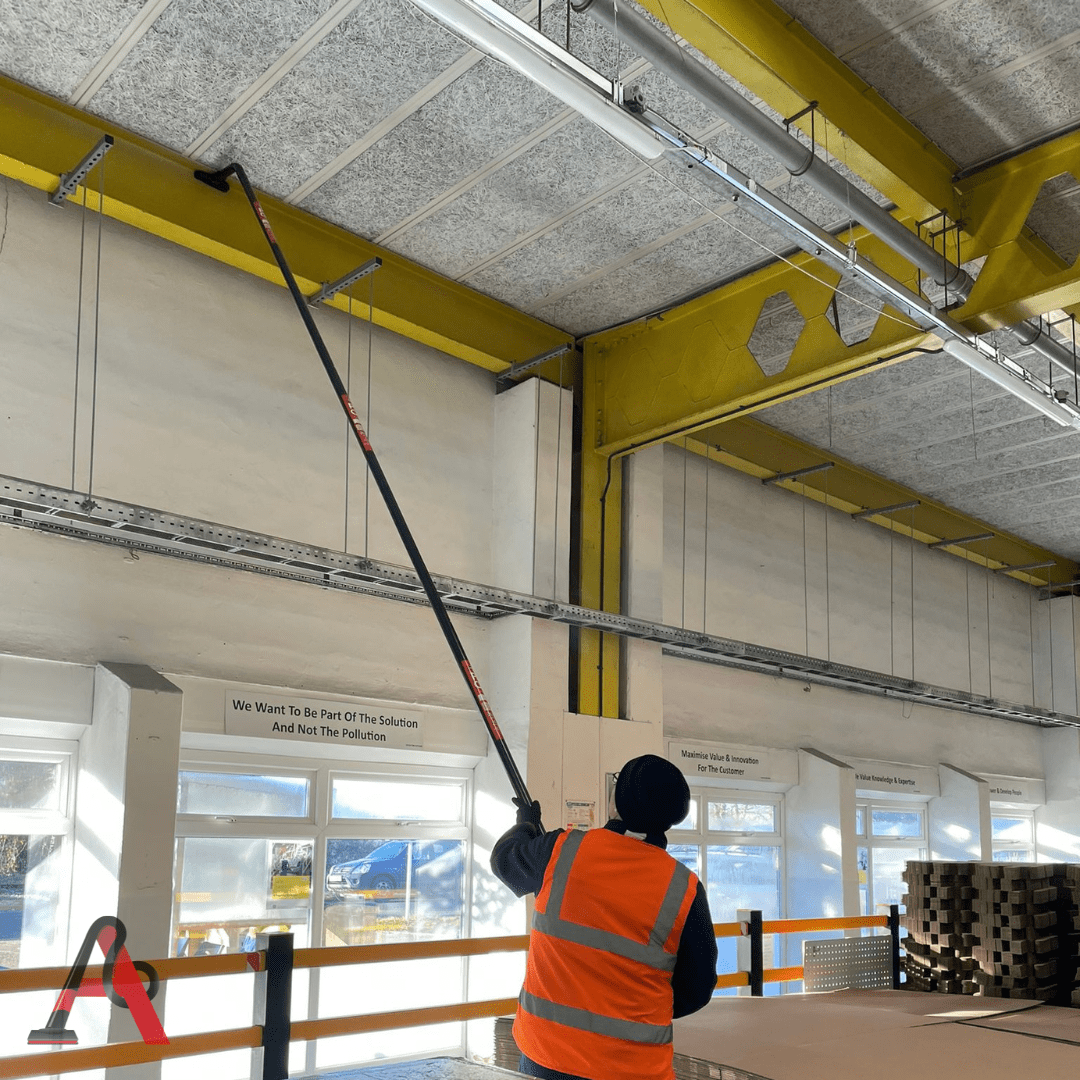
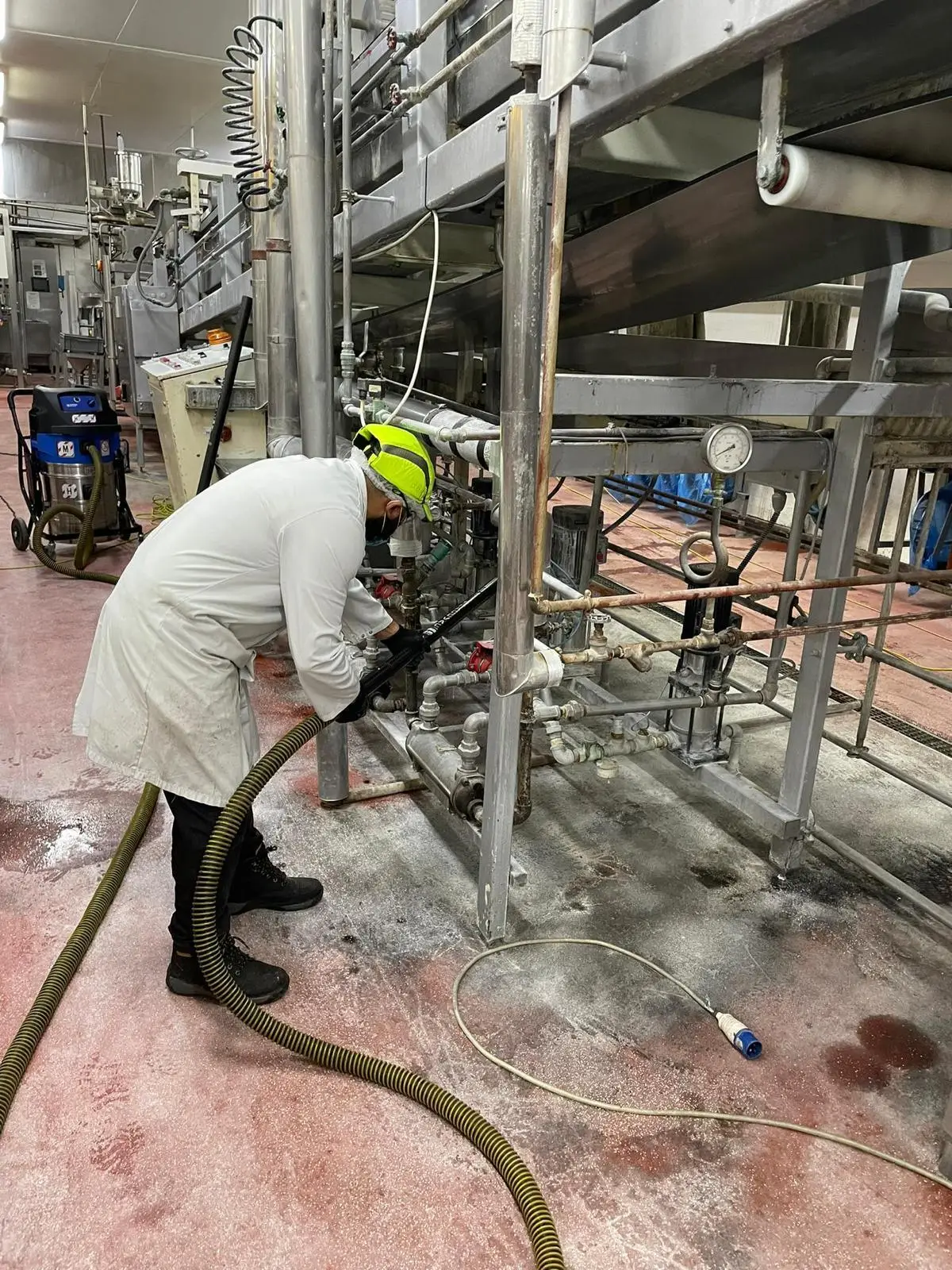
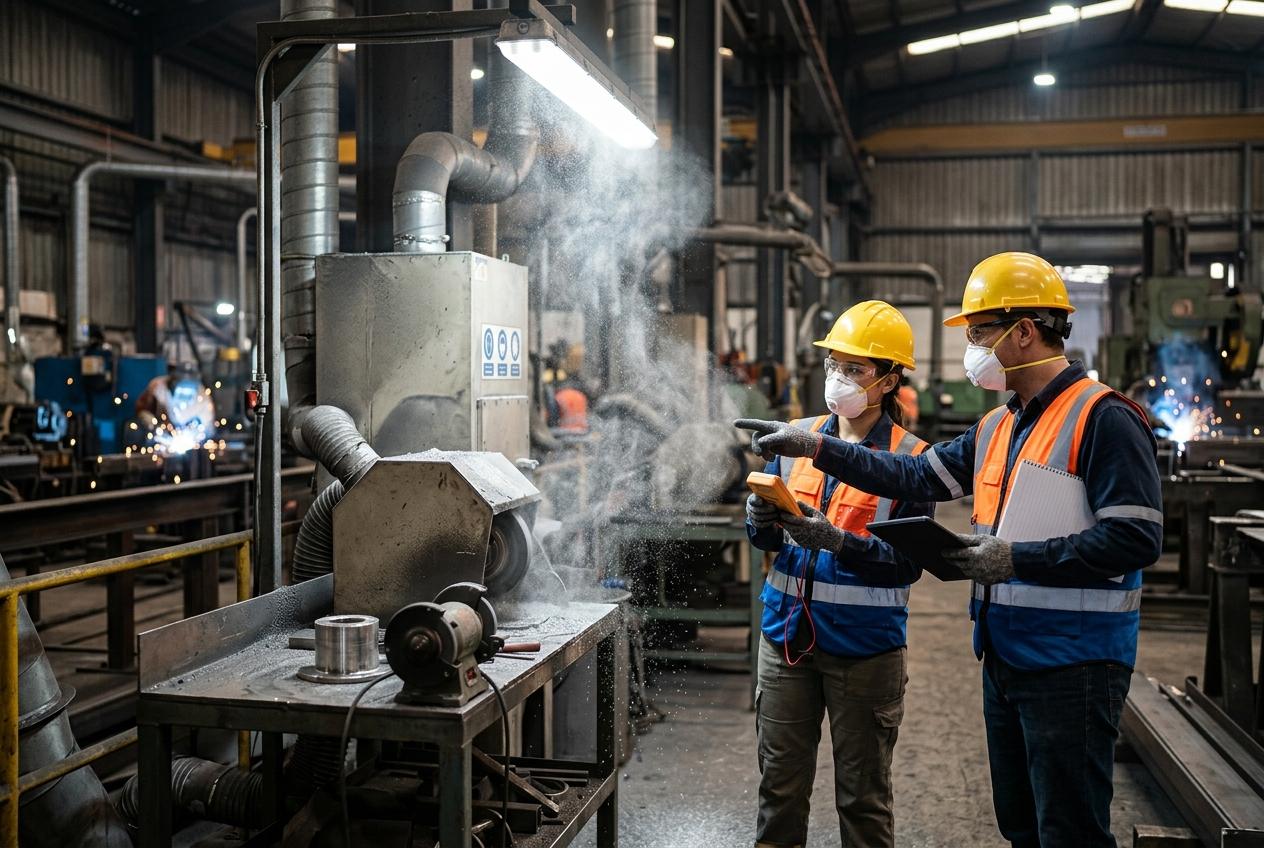
Every commercial building accumulates grime in places that standard cleaning teams simply cannot reach. Ceiling voids, overhead steelwork, high-level ductwork, and roof glazing all collect dust, grease, and biological contaminants that pose genuine health and compliance risks. Choosing the right specialist to handle this work is a decision that directly affects worker safety, regulatory standing, and long-term maintenance costs. The UK cleaning industry contributed £66.9 billion to the economy in 2022, and with over 75,565 cleaning businesses operating across the country, the sheer volume of options can make selection difficult. Most of those firms are generalists: 90% of cleaning businesses employ fewer than 10 people, meaning they lack the equipment, training, and insurance coverage required for complex work at height. This guide breaks down exactly what to look for when selecting high level cleaning companies, from technical certifications and safety compliance to operational logistics and long-term value. Whether you manage a warehouse, food processing facility, or listed heritage building, the criteria here will help you separate qualified specialists from firms that are out of their depth.
Defining Specialist High Level Cleaning Requirements
Before requesting quotes, you need a clear picture of what your site actually demands. A vague brief leads to vague pricing, missed hazards, and substandard results. The best outcomes come from facilities managers who understand their own building’s challenges before engaging contractors.
Assessing Structural and Architectural Complexity
Start with the physical environment. A single-span warehouse with open steel trusses at 12 metres presents a fundamentally different challenge to a Victorian atrium with ornate plasterwork and fragile glass panels. Note ceiling heights, structural materials, fragile surfaces, and any areas with restricted headroom or limited floor space for access equipment. Buildings with mezzanine levels, complex pipework runs, or suspended ceilings require contractors who can plan access routes carefully rather than simply positioning a cherry picker and hoping for the best. Document these details in your tender brief: the more specific you are, the more accurate and comparable the quotes you receive will be.
Identifying Industry-Specific Contaminants
The type of contamination matters as much as the location. A pharmaceutical cleanroom accumulates different residues than a steel fabrication shop. Food manufacturing environments deal with fat-laden particulates and biological growth, while engineering facilities contend with metallic dust and oil mist deposits. DEFRA has made clear that being eco-friendly is no longer seen as a luxury but is now essential, which means your chosen contractor should also demonstrate awareness of waste disposal regulations and the environmental impact of their cleaning agents. Specify the contaminants in your brief so contractors can propose appropriate methods and chemistry.
Verifying Technical Access Expertise and Equipment
Access methodology is where specialist high level cleaning firms distinguish themselves from general cleaning contractors. The wrong access approach wastes money, creates safety risks, and often delivers poor results because operatives cannot reach the surfaces properly.
IPAF and PASMA Certifications for Powered Access
Any company proposing to use mobile elevating work platforms (MEWPs) should hold current IPAF (International Powered Access Federation) certification. This covers boom lifts, scissor lifts, and truck-mounted platforms. For mobile scaffold towers, look for PASMA (Prefabricated Access Suppliers’ and Manufacturers’ Association) training cards. These are not optional extras: they are baseline competency standards. Ask to see individual operative cards, not just a company-level certificate, because qualifications belong to people, not businesses. A firm that cannot produce valid cards on request is one to walk away from immediately.
Rope Access vs. Specialist Internal Scaffolding
Rope access, governed by IRATA (Industrial Rope Access Trade Association) standards, is often the most cost-effective method for high-level internal cleaning in buildings where floor-level disruption must be minimised. Two-person rope teams can reach complex steelwork and ceiling areas without heavy plant. Specialist internal scaffolding, by contrast, suits projects requiring prolonged access to large surface areas: think full ceiling repaints or extensive cladding cleans. The right contractor will recommend the access method that fits your building rather than defaulting to whichever system they own. Ask why they are proposing a particular approach and whether alternatives were considered.
Evaluating Health and Safety Compliance Standards
Safety performance is non-negotiable. Falls from height remain one of the leading causes of workplace fatalities in the UK, and any contractor working above two metres is operating under strict legal obligations.
Work at Height Regulations (WAHR) Adherence
The Work at Height Regulations 2005 require that all work at height is properly planned, supervised, and carried out by competent persons. Your contractor should demonstrate familiarity with these regulations as a matter of routine, not as a response to being asked. Look for evidence that they follow the hierarchy of control: avoid work at height where possible, use collective protection measures like guardrails before personal protection like harnesses, and ensure all equipment is inspected and maintained. Request copies of their work at height policy and recent inspection records for access equipment.
Site-Specific Risk Assessments and Method Statements
Generic risk assessments are a red flag. Every site is different, and your contractor should produce a site-specific RAMS (Risk Assessment and Method Statement) following a physical survey of your premises. This document should identify hazards unique to your facility: overhead services, fragile roof panels, chemical storage areas, or live production lines beneath the work zone. A thorough RAMS also details emergency rescue procedures for operatives working at height. If a company offers to quote without visiting your site first, treat that as a serious warning sign.
Analysing Professional Accreditations and Insurance
Accreditations and insurance are your financial and legal safety net. They separate professional operators from those cutting corners to undercut on price.
SafeContractor and CHAS Registration Importance
SafeContractor and CHAS (Contractors Health and Safety Assessment Scheme) are third-party audit programmes that verify a company’s health and safety management systems. Registration means the contractor has submitted their policies, procedures, and incident records for independent review. The UK contract cleaning services market is projected to grow from USD 15,918.90 million in 2023 to USD 27,872.42 million by 2032, with a CAGR of 6.42%, and this growth is driving greater professionalisation across the sector. Reputable high level cleaning companies will hold at least one of these accreditations, and many clients now require them as a pre-qualification condition before a contractor can even submit a tender.
Public and Employers Liability for High-Risk Tasks
Standard cleaning firms often carry public liability cover of £1 million to £2 million. For high-risk work at height, you should expect a minimum of £5 million public liability and £10 million employers’ liability. Ask to see the actual policy schedule, not just a summary certificate, and confirm that work at height is explicitly covered rather than excluded. Some insurers add exclusions for rope access or MEWP operations, which would leave both you and the contractor exposed in the event of an incident. Verify the policy is current and that the insurer is a recognised underwriter.
Operational Logistics and Business Continuity
A technically excellent contractor who disrupts your operations for three days when the job could have been done overnight is not delivering real value. Logistics planning separates experienced specialists from firms still learning on the job.
Out-of-Hours Scheduling and Minimal Disruption
Most high level cleaning work in occupied buildings should happen outside core business hours. Weekend and overnight shifts are standard practice for experienced contractors working in retail, office, and manufacturing environments. Discuss scheduling expectations early in the tender process. A good contractor will ask about your shift patterns, production schedules, and any blackout dates before proposing a programme of works. They should also confirm that their operatives carry CSCS cards or equivalent site access credentials if working on construction or industrial sites.
Post-Clean Reporting and Photographic Evidence
Insist on documented evidence of completed work. Before-and-after photography, taken from consistent angles and with clear labelling, provides an auditable record for compliance files. The best contractors deliver a formal completion report that includes areas cleaned, methods used, any defects or maintenance issues observed during the work, and recommendations for future cleaning intervals. This reporting becomes particularly valuable during regulatory inspections or insurance audits, where you need to demonstrate that your maintenance programme meets required standards.
Measuring Long-Term Value Against Quote Accuracy
The cheapest quote is rarely the best value. A contractor who underquotes to win the work will either cut corners during delivery or submit variation claims that push the final cost well above competitors who priced honestly from the start.
Evaluate quotes against the scope of work described in each contractor’s method statement. Are they cleaning the same surfaces? Using equivalent access methods? Deploying the same number of operatives? Price differences often reflect scope differences rather than genuine cost savings. Ask each bidder to break down their quote into labour, access equipment, materials, and waste disposal so you can compare like with like.
The UK cleaning services market is expected to grow £39,732.8 million by 2033, and competition among providers is intensifying. That competition works in your favour, but only if you are comparing proposals on equal terms. Build a relationship with a contractor who delivers consistent quality, transparent pricing, and reliable scheduling: the long-term cost savings from reduced re-cleaning, fewer compliance issues, and better asset preservation will far outweigh any marginal saving from switching providers on price alone.
If you are unsure whether your facility has hidden dust accumulation, compliance gaps, or areas that need specialist attention, our team can help. We offer a no-obligation site assessment to identify risks and recommend the safest, most cost-effective cleaning approach for your building. Book a free site assessment and get clarity before committing to any contractor.