Introduction
A single spark in a dusty workshop can trigger an explosion powerful enough to level a building. While most engineers understand the dangers of flammable liquids and gases, metal dust explosions Remain a critically overlooked risk in manufacturing and fabrication environments. The statistics paint a sobering picture: Europe experiences Approximately 2,000 workplace explosions caused by dust every year, with the UK alone reporting around 50 incidents annually. That’s nearly one explosion per week in British facilities.
What makes metal dust particularly treacherous is its deceptive nature. The same aluminium swarf or iron filings that seem harmless on a workshop floor become violently explosive when suspended in air at the right concentration. Many facility managers remain unaware that their grinding, polishing, or cutting operations create conditions capable of catastrophic failure. Understanding this hazard isn’t optional – it’s a regulatory requirement and, more importantly, a matter of life and death for workers.
Why Metal Dust Is Explosive
Metal dust explosions follow the same fundamental principles as any combustible dust event, but with significantly higher severity. For an explosion to occur, five elements must converge simultaneously: fuel (the metal dust), oxygen, an ignition source, dispersion of particles in air, and confinement. This combination is known as the Explosion Pentagon.
When metal particles become sufficiently fine, their surface-area-to-mass ratio increases dramatically. This allows rapid oxidation – essentially, the metal burns almost instantaneously when ignited. Unlike solid metal blocks that resist ignition, airborne particles measuring less than 500 microns can ignite with minimal energy input. The confined spaces typical of industrial settings Amplify pressure waves, turning what might be a flash fire into a devastating blast. Primary explosions often dislodge settled dust from surfaces, creating secondary explosions that frequently cause the greatest damage and casualties.
High-Risk Metals (Aluminium, Magnesium, Zinc, Iron)
Not all metal dusts present equal hazards. Aluminium ranks among the most dangerous, with Fine aluminium particles generating pressure rise rates exceeding 1,000 bar metres per second. This extraordinary violence means aluminium dust explosions develop faster than suppression systems can respond unless facilities implement proper preventive measures.
Magnesium poses similar risks, with the added complication that it burns at temperatures exceeding 3,000°C and reacts violently with water – making conventional firefighting methods dangerous. Zinc dust, commonly generated during galvanising operations, ignites readily and produces toxic fumes when burning. Iron and steel dusts, while requiring higher ignition energy than aluminium or magnesium, still present serious explosion risks in grinding and machining facilities. A Swedish study examining combustible dust incidents between 2015 and 2017 found that 18% involved metal dust, with 27% of those metal dust incidents resulting in explosions.
Processes That Generate Dust
Metal dust accumulates through numerous common industrial processes, many of which facility managers don’t immediately associate with explosion risk.
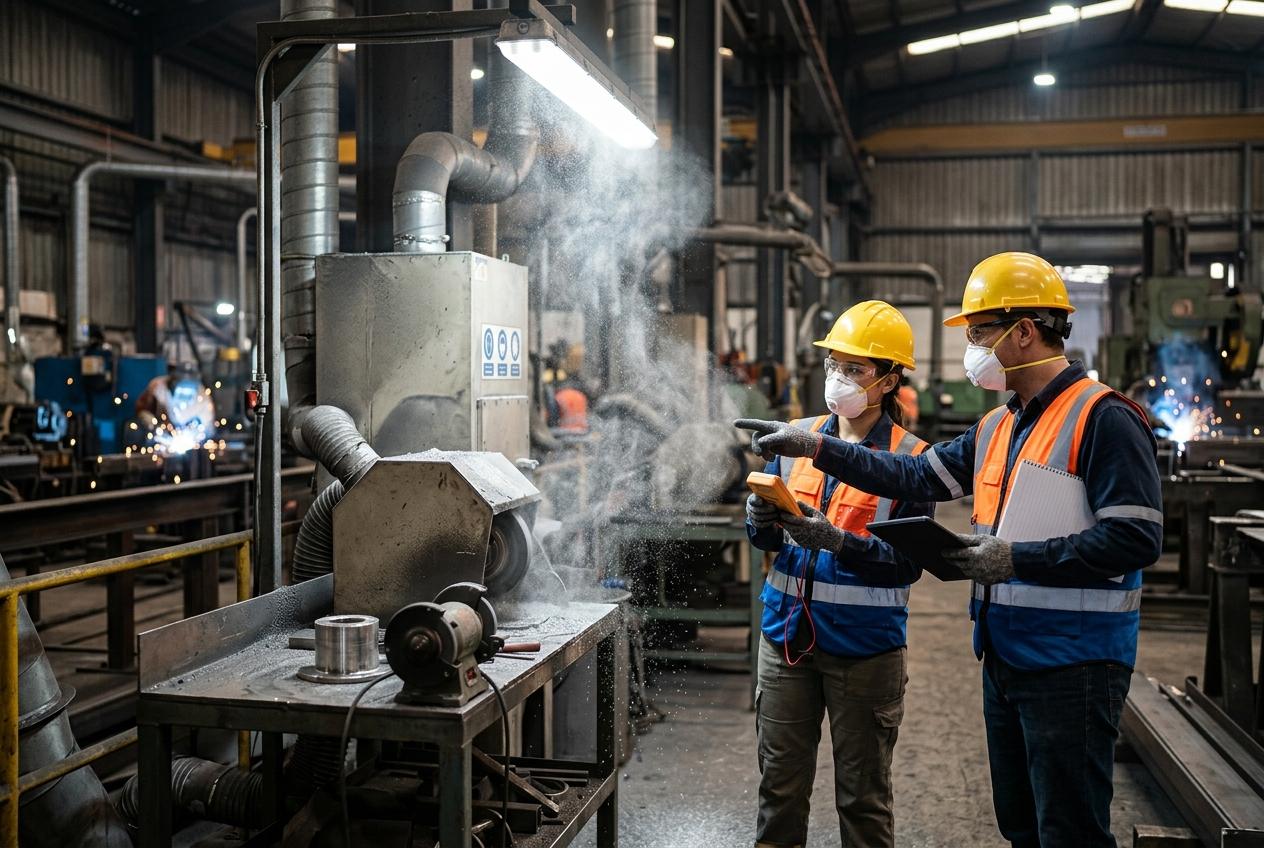
Grinding and polishing operations produce fine particles that become airborne and settle on horizontal surfaces throughout workshops. Cutting and machining – including sawing, milling, and turning – generate swarf and finer particles, particularly when working with softer metals. Welding and thermal cutting create metal fumes containing particles small enough to remain suspended for extended periods. Powder coating and additive manufacturing facilities handle metal powders directly, presenting obvious hazards that nonetheless require rigorous controls.
Even seemingly benign activities like sweeping or compressed air cleaning can disperse settled dust into explosive concentrations. The threshold for a dust cloud to become explosive is surprisingly low – often invisible to the naked eye while still exceeding the minimum explosive concentration.
How Explosions Occur in Workshops
Workshop explosions typically follow a predictable pattern, though the specific trigger varies. Accumulated dust on beams, ledges, equipment housings, and duct work provides the fuel load. An ignition event – perhaps a spark from grinding, an electrical fault, friction from bearing, or even static discharge – ignites a localised dust cloud.
This primary explosion, while potentially damaging on its own, creates pressure waves that shake loose years of accumulated dust from elevated surfaces. Within milliseconds, this secondary dust cloud ignites, producing a far more powerful blast. The U.S. Chemical Safety Board has repeatedly documented this pattern, stating that “preventable combustible dust explosions continue to occur, causing worker deaths and injuries”.
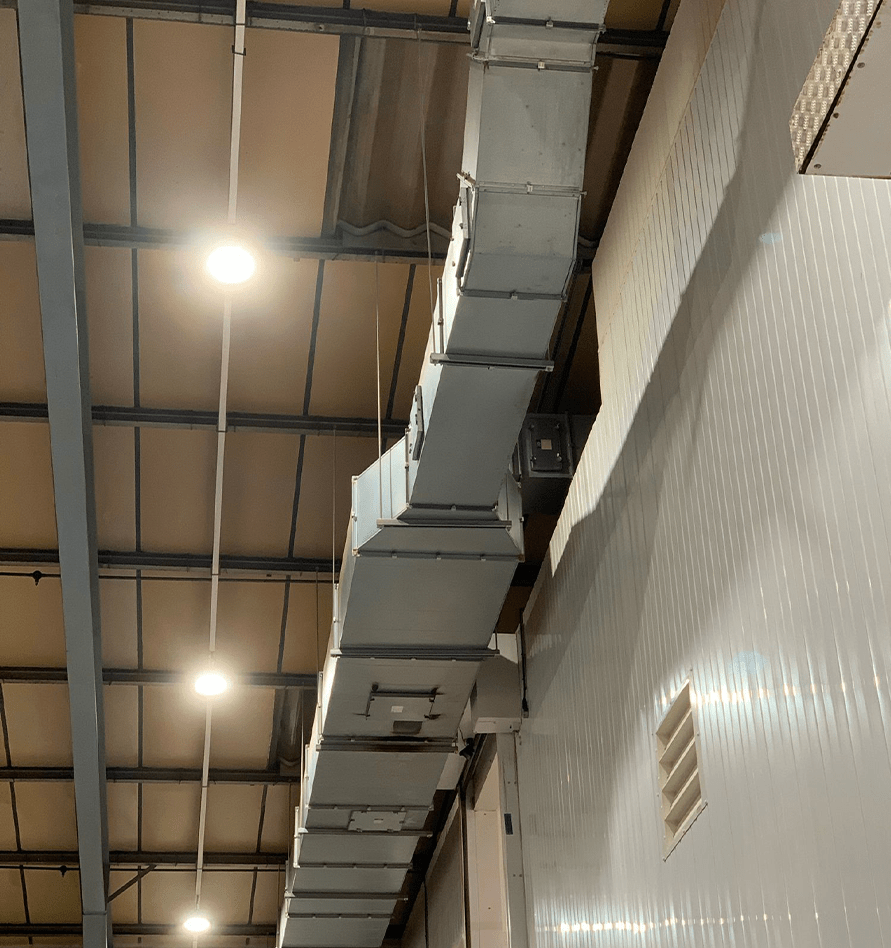
Workshop layouts often exacerbate risks. Enclosed dust collection systems can become explosion vessels if not properly designed with venting or suppression. Interconnected duct work allows flame propagation between areas, turning a contained incident into a facility-wide disaster.
ATEX Regulations for Metal Processing
The ATEX Directives establish the legal framework for explosive atmosphere safety across Europe and the UK. ATEX 137 (Directive 1999/92/EC) requires employers to assess explosion risks, classify hazardous zones, and implement appropriate protective measures. ATEX 114 (Directive 2014/34/EU) governs equipment and protective systems intended for use in explosive atmospheres.
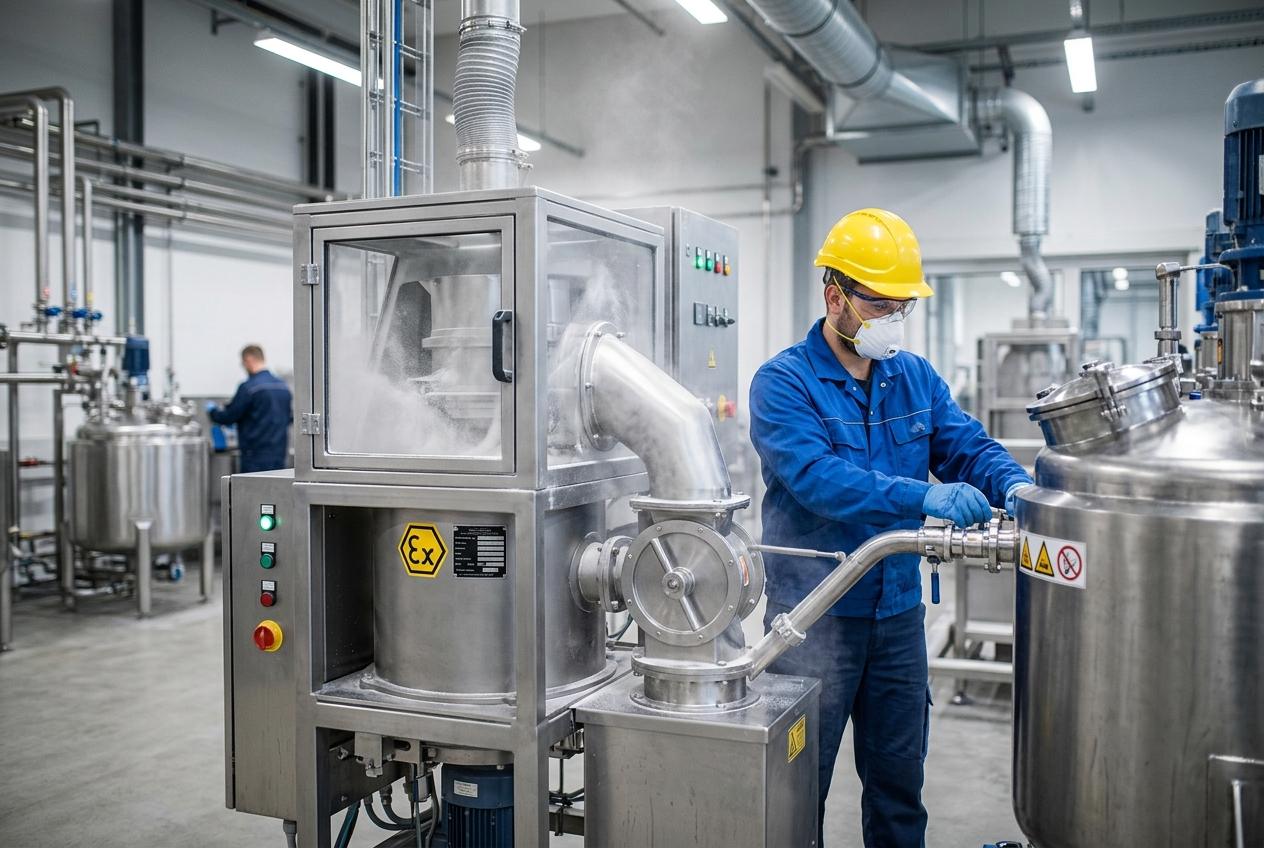
For metal processing facilities, compliance begins with a thorough Explosion Protection Document (EPD) that identifies all potential dust accumulation points, ignition sources, and explosion propagation pathways. Zone classification determines which areas require explosion-proof equipment, with Zone 20 representing locations where explosive dust clouds are present continuously or frequently, Zone 21 for occasional presence, and Zone 22 for areas where explosive atmospheres are unlikely but possible.
Equipment selection must match zone classifications. Motors, switches, lighting, and even hand tools in classified areas require appropriate ATEX certification. Noncompliance carries serious consequences: unlimited fines, imprisonment for responsible individuals, and facility closure orders.
Business and Safety Risks
The human cost of metal dust explosions defies quantification, but the financial implications alone should command attention. Direct costs include facility damage, equipment replacement, business interruption, and compensation claims. The Clean-up operation at the Gërdec site in Albania cost at least USD 10 million – a figure that dwarfed the estimated USD 6.6 million that would have prevented the incident entirely.
Insurance implications extend beyond immediate claims. Facilities with inadequate dust controls face policy exclusions, increased premiums, or outright coverage denial. Regulatory enforcement actions following incidents often reveal systemic failures that trigger additional penalties. Criminal prosecution of directors and managers has become increasingly common where negligence contributed to deaths or serious injuries.
Reputational damage affects customer relationships, employee recruitment, and community standing. Companies associated with preventable explosions struggle to recover their market position, particularly in sectors where safety credentials influence purchasing decisions.
Control Measures
Effective metal dust explosion prevention follows the hierarchy of controls, prioritising elimination and engineering solutions over administrative measures and personal protective equipment.
Engineering controls form the foundation of any robust programme:
- Local exhaust ventilation captures dust at source before it disperses
- Explosion venting panels direct blast energy safely outside buildings
- Suppression systems detect and extinguish explosions within milliseconds
- Isolation devices prevent flame propagation through duct work
- Spark detection systems identify and extinguish ignition sources before they reach collection equipment
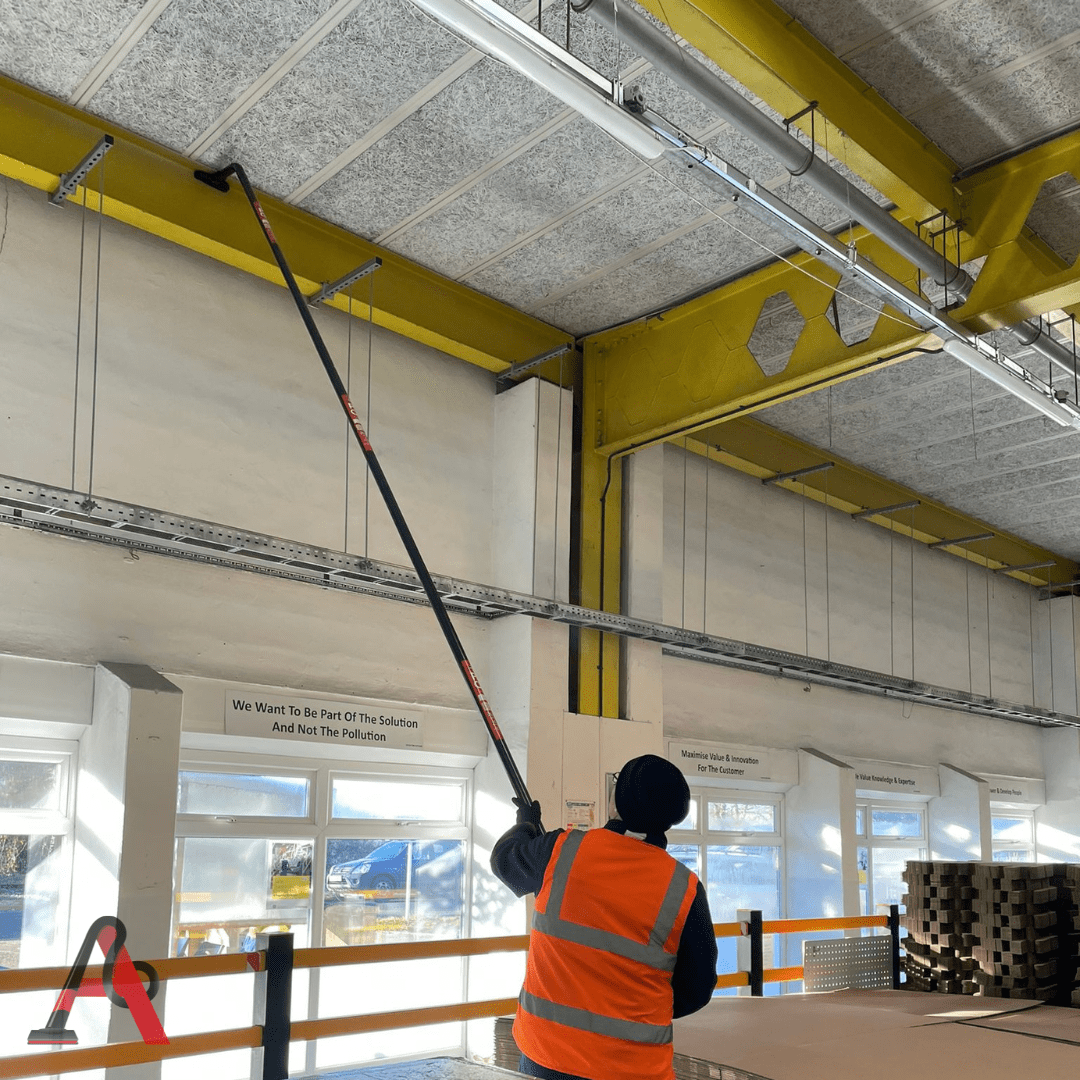
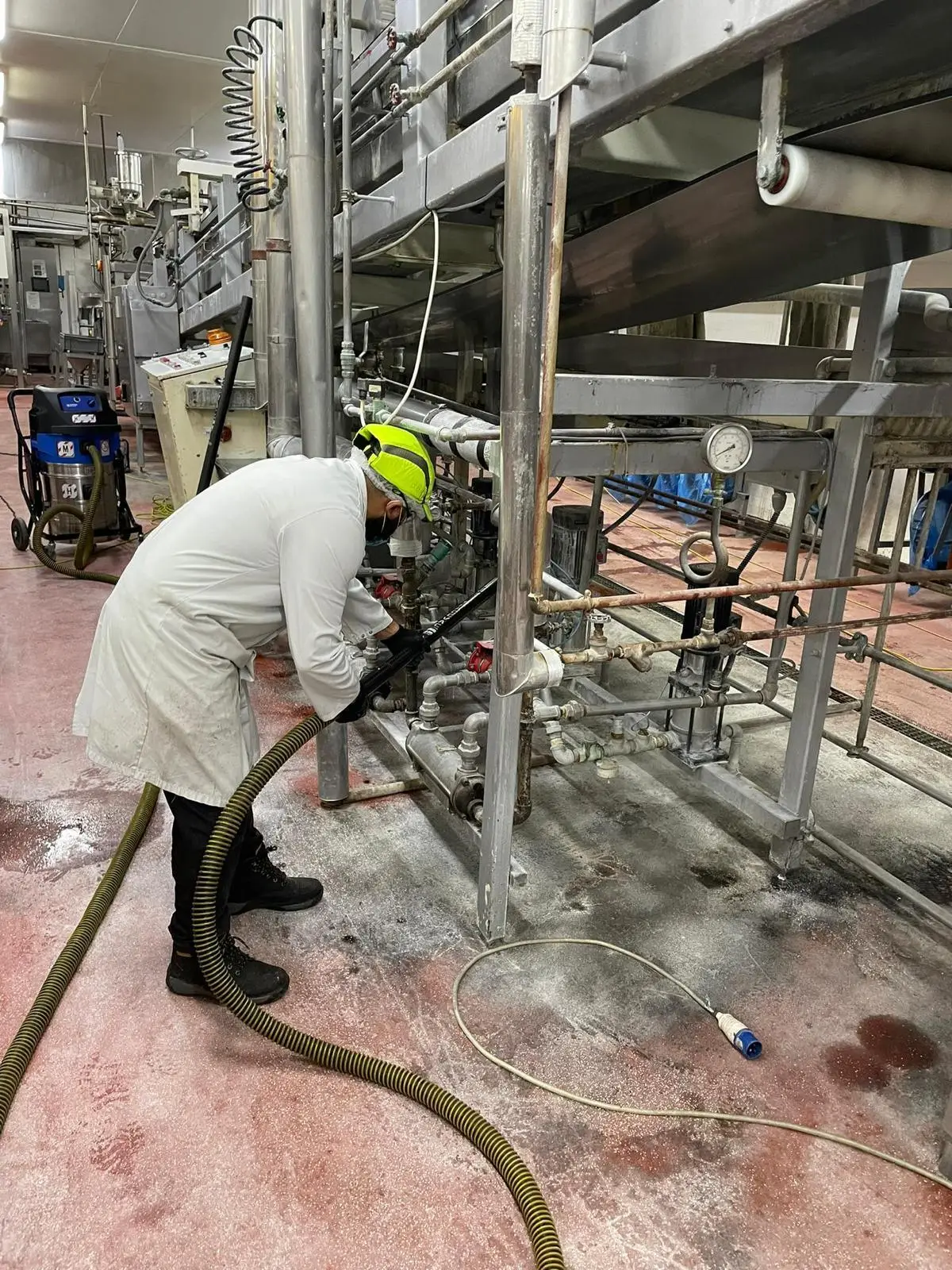
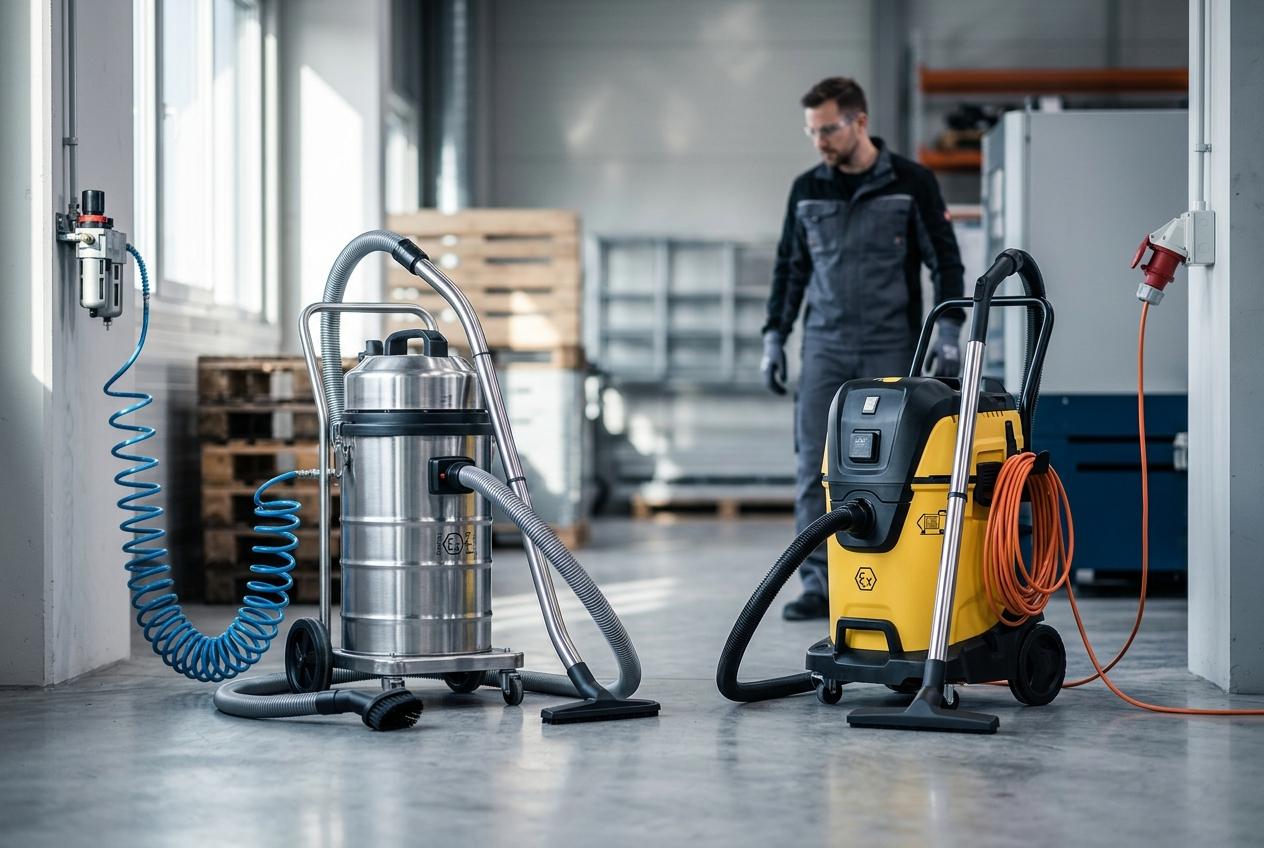
Housekeeping standards must prevent dust accumulation on any surface. Regular cleaning schedules using appropriate methods – typically ATEX-rated vacuum systems rather than compressed air or dry sweeping – remove fuel before it reaches dangerous quantities. Administrative controls include hot work permits, electrical equipment inspections, and training programmes that ensure workers understand both the hazards and their role in prevention.
Maintenance schedules for extraction systems, filters, and safety devices require documentation and consistent execution. A well-designed system that falls into disrepair provides false confidence while allowing hazards to develop unchecked.
Book an ATEX Inspection
Metal dust explosions represent one of engineering’s most preventable catastrophes. The physics are well understood, the regulations are clear, and effective control measures exist for every scenario. What separates safe facilities from disaster sites is simply the commitment to identify hazards and address them systematically.
The challenge for many facility managers lies in recognising risks they’ve unknowingly accepted for years. Accumulated dust becomes invisible through familiarity. Equipment that’s “always worked fine” may lack appropriate certification. Extraction systems designed for general ventilation may prove inadequate for explosion prevention.
Professional assessment bridges this knowledge gap. If you’re uncertain whether your facility meets current ATEX requirements or want confirmation that your existing controls adequately address metal dust hazards, specialist evaluation provides clarity and actionable recommendations. Book a free site assessment to identify any compliance gaps and receive practical guidance on the most cost-effective solutions for your specific operations. The investment in prevention will always cost less than the alternative.