Introduction
A single spark in a pharmaceutical processing area can trigger devastation that shuts down production for months. Fine powders common in chemical and pharmaceutical manufacturing create explosive atmospheres that most facility managers underestimate until disaster strikes. With approximately 2,000 dust explosions occurring annually across European factories and industrial facilities, the question of ATEX compliance isn't theoretical: it's urgent.
Chemical and pharmaceutical dust presents unique hazards because the very properties that make these substances effective also make them dangerous. Active pharmaceutical ingredients, excipients, and chemical intermediates often possess the fine particle size and combustible characteristics that create explosion risks. ATEX regulations exist precisely because these dangers are predictable and preventable, yet many facilities operate with compliance gaps they don't recognise until an inspection or incident exposes them.
Understanding your ATEX obligations isn't just about avoiding fines. It's about protecting workers, preserving operations, and maintaining the regulatory standing that pharmaceutical and chemical businesses depend upon.
Why Fine Powders Are High Risk
The physics of dust explosions follows the same principles as any combustion event, but with a critical twist: surface area. When solid materials become airborne as fine particles, their total surface area increases exponentially. A kilogram of powder dispersed in air can have thousands of times more reactive surface area than the same material in solid form.
This surface area effect means ignition energy requirements drop dramatically. Materials that seem inert as bulk solids become explosively reactive when suspended as dust clouds. The concentration window for explosive atmospheres is surprisingly broad, and pharmaceutical processing regularly creates conditions within this dangerous range.
Fine powders also penetrate equipment housings, accumulate in hidden spaces, and resist standard cleaning methods. A layer of combustible dust just 1mm thick across a surface can fuel a secondary explosion far more destructive than the initial event. Secondary explosions often cause the majority of damage and casualties in industrial dust incidents.
Common Combustible Dusts (Lactose, Cellulose, Resins, Active Powders)
Pharmaceutical and chemical facilities handle materials that many assume are safe because they're used in consumer products. Lactose, the most common pharmaceutical excipient, is highly combustible when dispersed as fine powder. Cellulose derivatives used as binders and fillers share this characteristic.
Organic dusts cause up to 65% of dust explosion accidents, making plant-derived materials particularly concerning. Starch, sugar alcohols, and natural polymers all fall into high-risk categories. Chemical intermediates and synthetic resins present similar hazards, often with lower ignition energies than organic materials.
Active pharmaceutical ingredients deserve special attention. APIs can release pressures in the 8-10 bar range during dust explosions, forces capable of destroying reinforced concrete structures. The potency that makes these compounds effective medicines also makes their dust clouds exceptionally energetic when ignited.
Where Risk Occurs in Processing
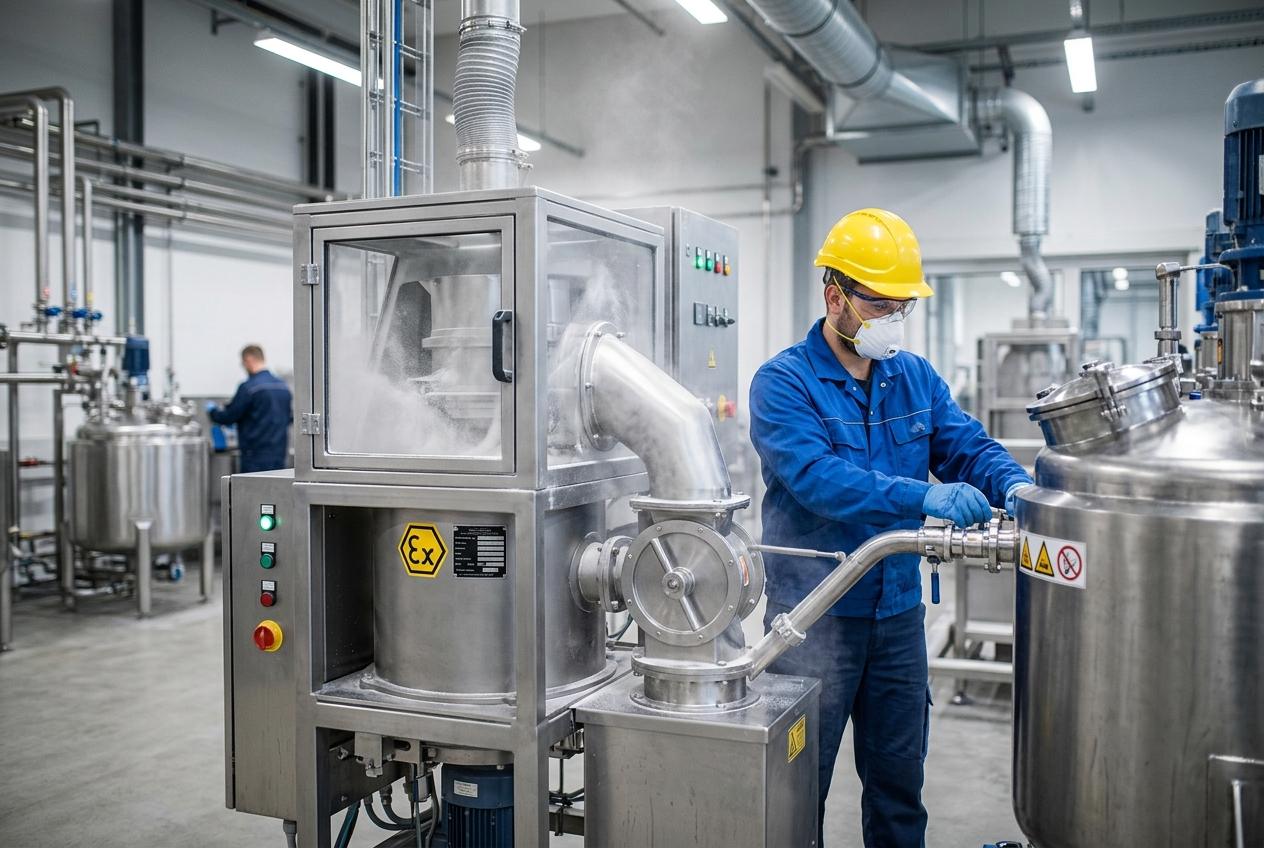
Dust explosion risks concentrate at specific points in pharmaceutical and chemical operations. Milling and micronisation create the fine particles that pose the greatest hazard. Granulation, blending, and tablet compression all generate airborne dust within enclosed equipment.
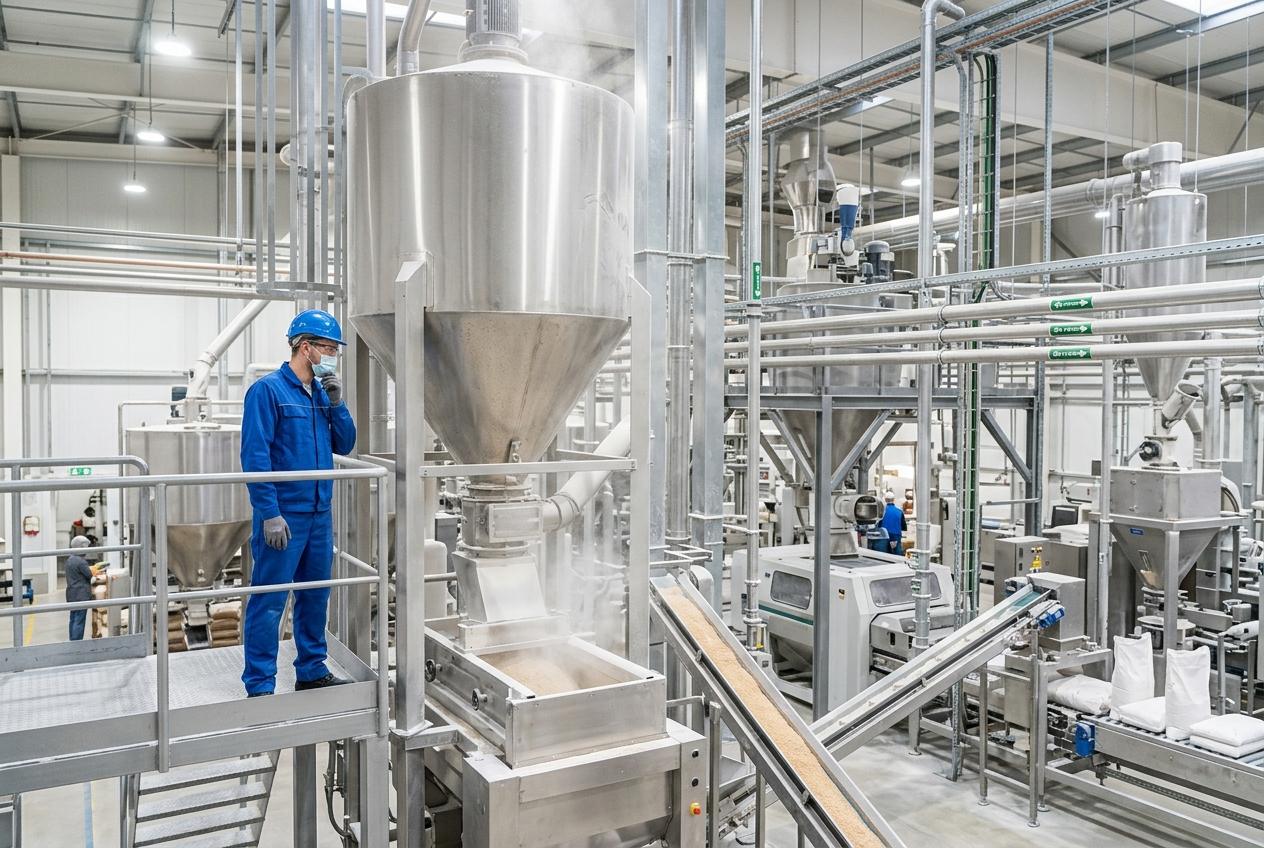
Transfer points between processes represent particular vulnerabilities. Charging hoppers, discharging containers, and pneumatic conveying systems all create dust clouds during normal operation. Sieving and screening operations intentionally separate fine particles, concentrating the most hazardous fractions.
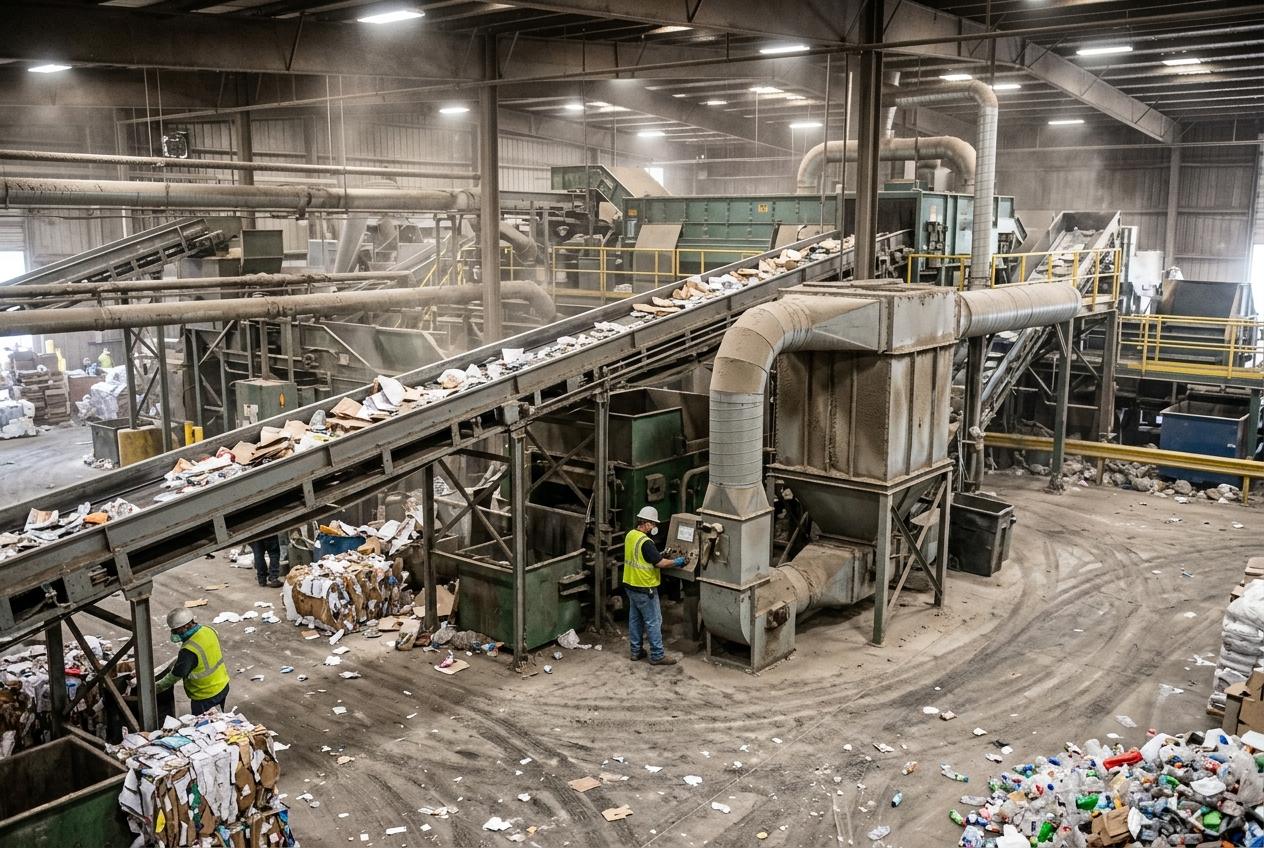
Packaging lines, often overlooked in hazard assessments, generate significant dust exposure. Cleaning operations can actually increase risk by disturbing accumulated deposits and creating explosive atmospheres. Even storage areas require attention, as settled dust can become airborne from vibration, air movement, or maintenance activities.
Understanding ATEX Zones
ATEX zoning classifies areas according to the likelihood and duration of explosive atmospheres. Zone 20 designates locations where explosive dust clouds exist continuously or for extended periods. Zone 21 covers areas where explosive atmospheres occur occasionally during normal operations. Zone 22 applies where explosive atmospheres are unlikely but possible during abnormal conditions.
Equipment selection depends entirely on correct zone classification. Zone 20 requires Category 1 equipment with the highest level of protection. Zone 21 permits Category 2 equipment, while Zone 22 allows Category 3. Installing equipment rated for a less hazardous zone than actually exists creates immediate compliance failures and genuine danger.
Zone boundaries must be documented, marked, and maintained. Changes to processes, materials, or equipment can invalidate existing zone classifications. Regular review ensures that zoning reflects current operational reality rather than historical assessments that may no longer apply.
Compliance Challenges in Pharma and Chemical Sites
Pharmaceutical facilities face unique compliance difficulties because cleanroom requirements can conflict with explosion protection measures. Positive pressure systems designed to maintain sterility can spread explosive atmospheres beyond intended boundaries. Smooth surfaces that support cleaning validation may eliminate the texture needed for effective earthing.
Multi-product facilities encounter additional complexity. Different materials have different explosion characteristics, meaning zone classifications may need to change with product campaigns. Documentation must demonstrate that appropriate controls exist for each product handled in each area.
Legacy installations present persistent challenges. Equipment installed before current ATEX requirements may lack necessary certifications. Modifications made over years of operation can compromise original safety features. Comprehensive audits often reveal compliance gaps that have existed undetected for extended periods.
Consequences of Non-Compliance
The human cost of dust explosions includes fatalities, severe burns, and respiratory injuries. The UK alone reports an average of 50 dust explosions annually, nearly one per week. Each incident represents potential tragedy for workers and their families.
Regulatory consequences extend beyond immediate penalties. Manufacturing licences can be suspended pending safety improvements. Product recalls may follow if contamination concerns arise from explosion damage. Insurance claims face scrutiny when compliance failures contributed to incidents.
Business continuity suffers dramatically after explosions. Facility repairs typically require months. Equipment replacement involves extended lead times for pharmaceutical-grade machinery. Customer relationships deteriorate when supply commitments cannot be met. Reputational damage affects regulatory relationships and market confidence for years.
How to Reduce Risk
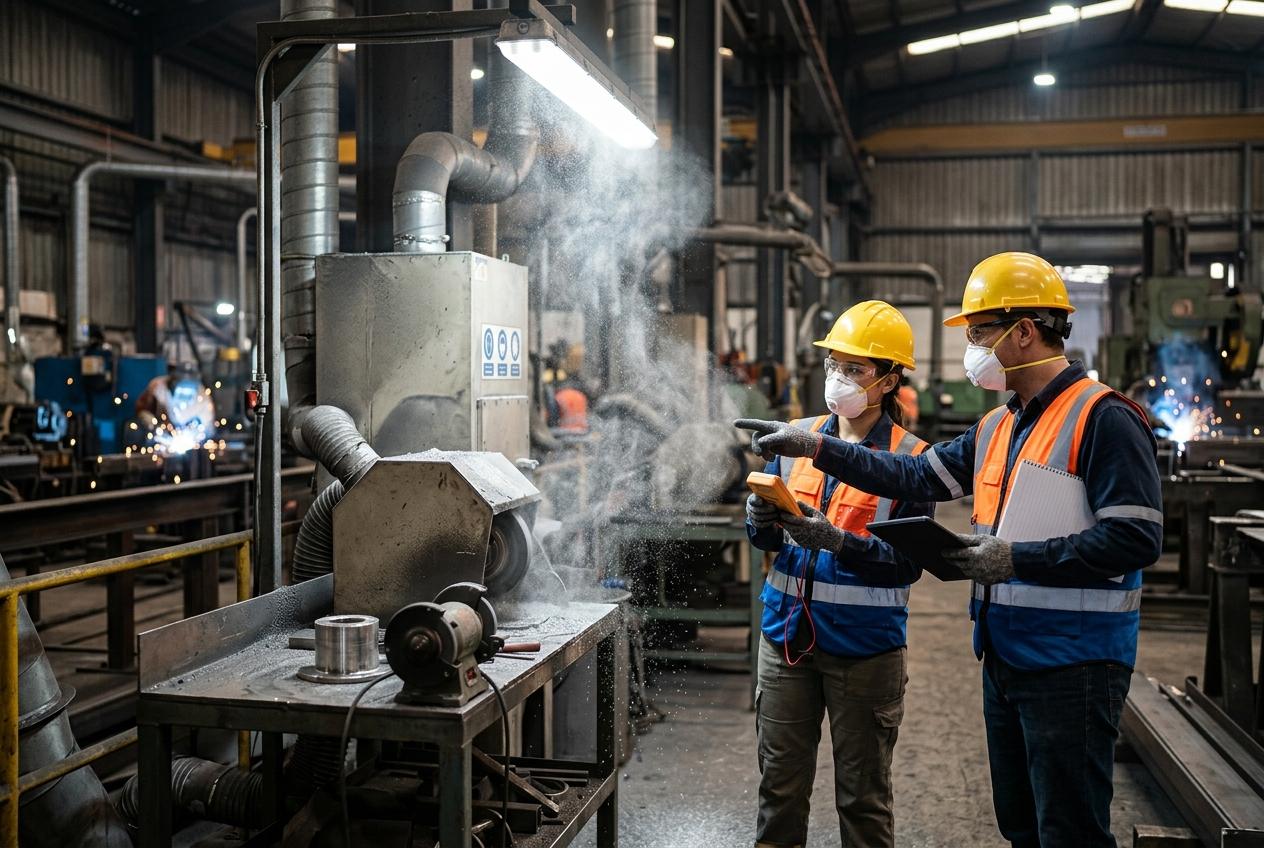
Effective dust control begins with engineering solutions that prevent explosive atmospheres from forming. Local exhaust ventilation captures dust at generation points before it disperses. Enclosed transfer systems eliminate operator exposure and atmospheric contamination simultaneously.
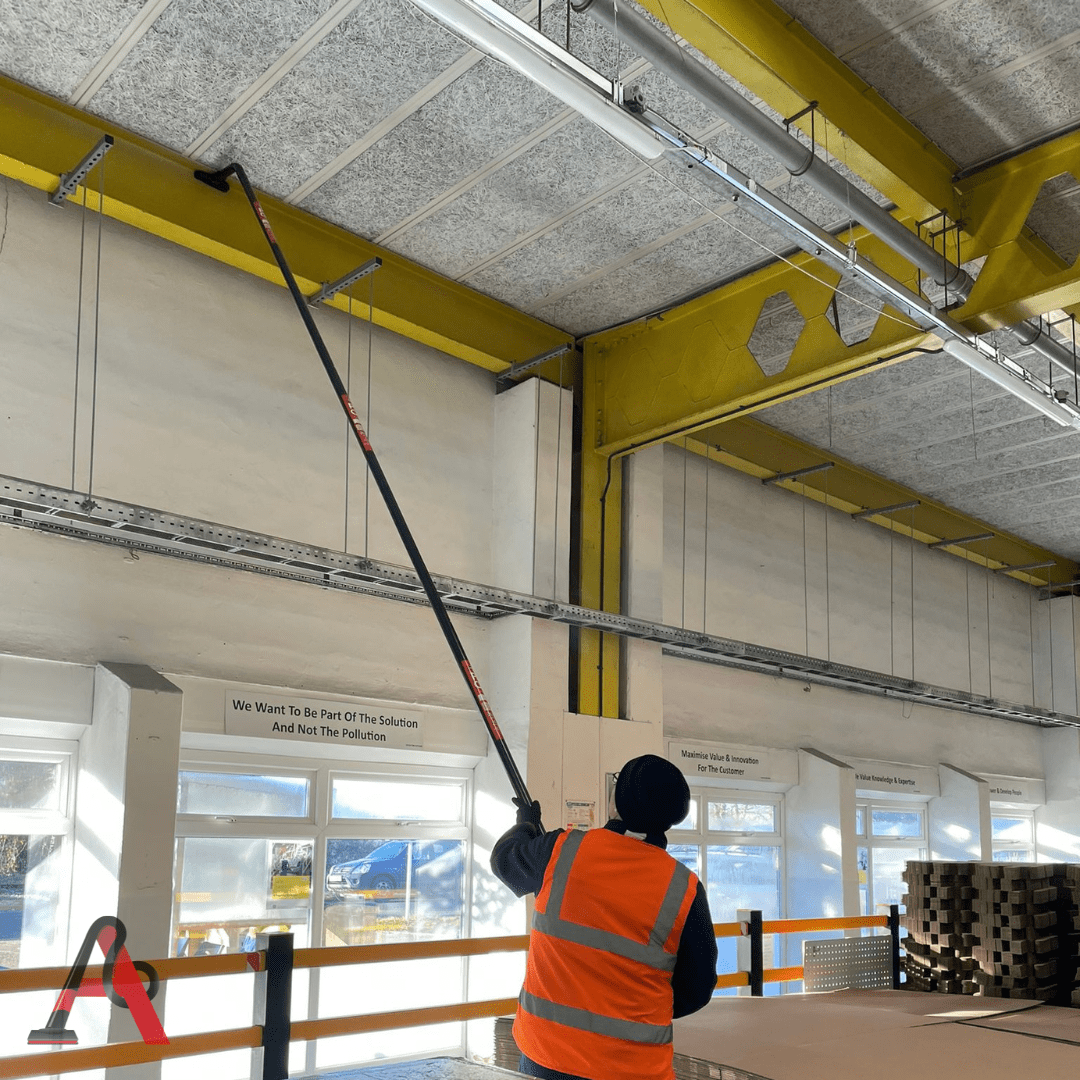
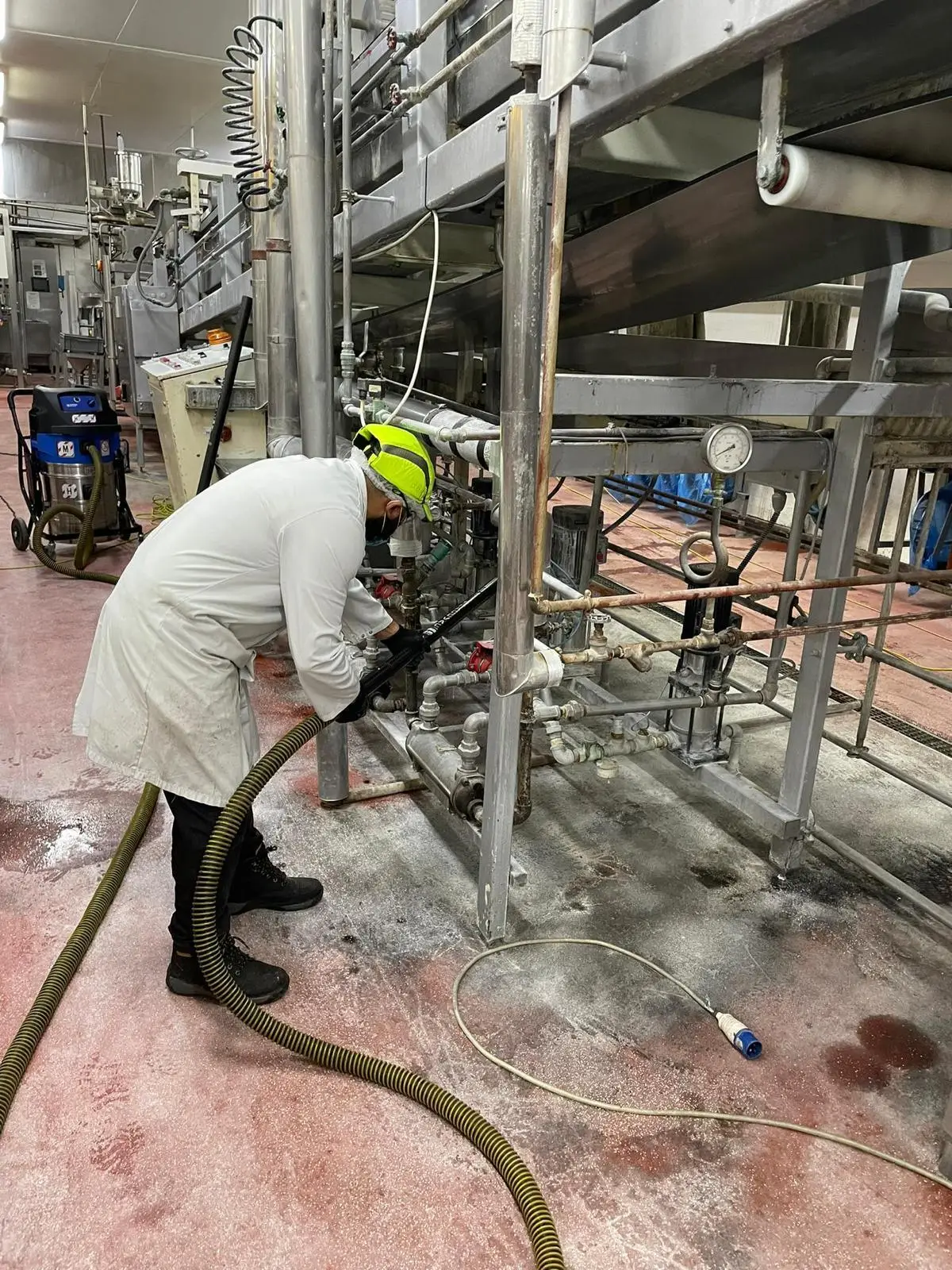
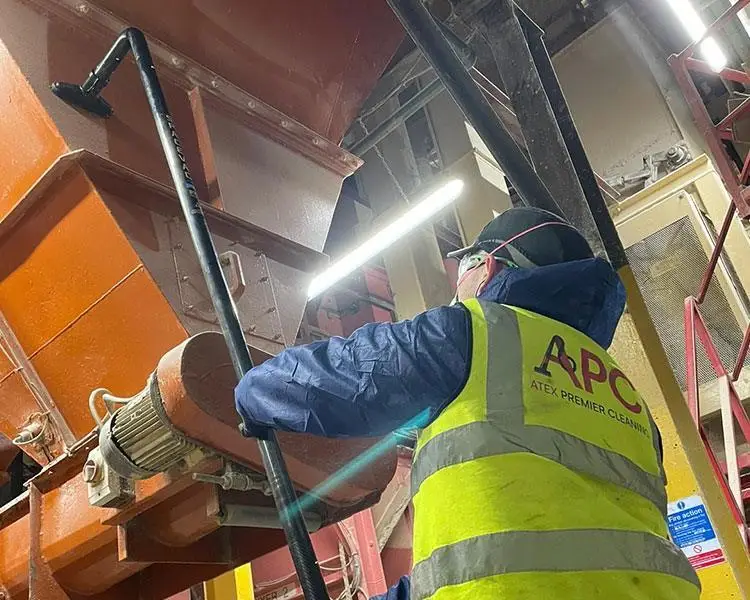
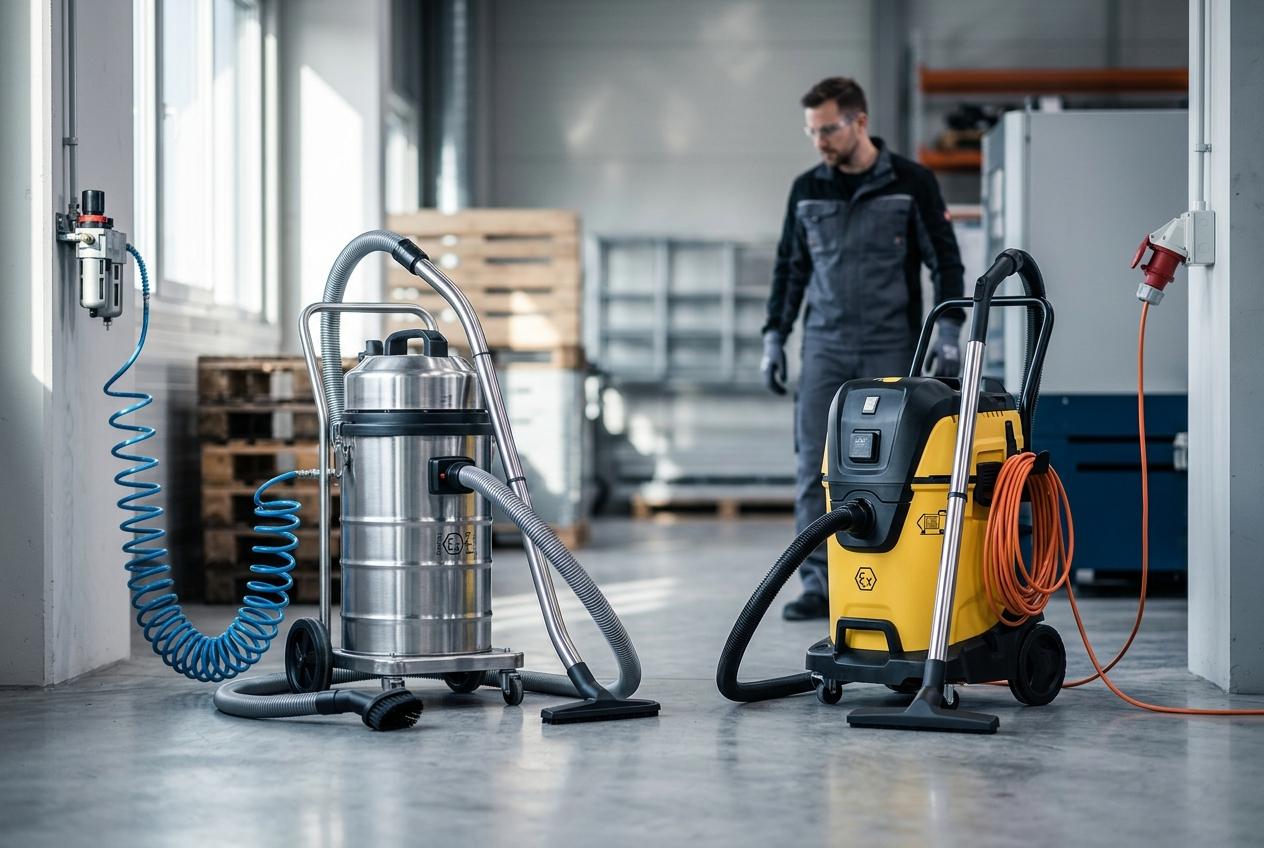
Housekeeping programmes must address not just visible accumulations but hidden deposits in ceiling voids, ductwork, and equipment internals. Regular cleaning schedules should specify methods that avoid creating dust clouds during the cleaning process itself. Vacuum systems used for cleaning must be ATEX-rated for the zones where they operate.
"The dangers of combustible dust in the pharmaceutical industry are real but preventable," as industry safety experts emphasise. "Through a mix of engineering controls, proper housekeeping, staff training, and regulatory compliance, facilities can protect their workers and equipment from fire and explosion hazards."
Ignition source control requires systematic identification and elimination. Hot work permits, electrical equipment inspections, and static earthing programmes all contribute. Training ensures personnel understand both the hazards and the controls that protect them.
Book a Compliance Check
ATEX compliance isn't a one-time achievement but an ongoing commitment that requires regular verification. Processes change, equipment ages, and new hazards emerge as product portfolios evolve. Facilities that achieved compliance years ago may have drifted into non-compliance without recognising the shift.
Professional assessment provides clarity that internal reviews often miss. Fresh eyes identify hazards that familiarity has rendered invisible to regular staff. Systematic evaluation against current regulatory requirements reveals gaps between perceived and actual compliance status.
The investment in proper compliance assessment pays returns in avoided incidents, maintained regulatory standing, and operational confidence. Waiting until an incident or inspection forces action means accepting unnecessary risk and potentially facing remediation under pressure.
If you're uncertain whether your facility meets current ATEX requirements, our specialists can assess your site, identify dust and compliance concerns, and recommend practical solutions. Book a free, no-obligation consultation to understand your current position and the steps needed to protect your people and operations.