Introduction
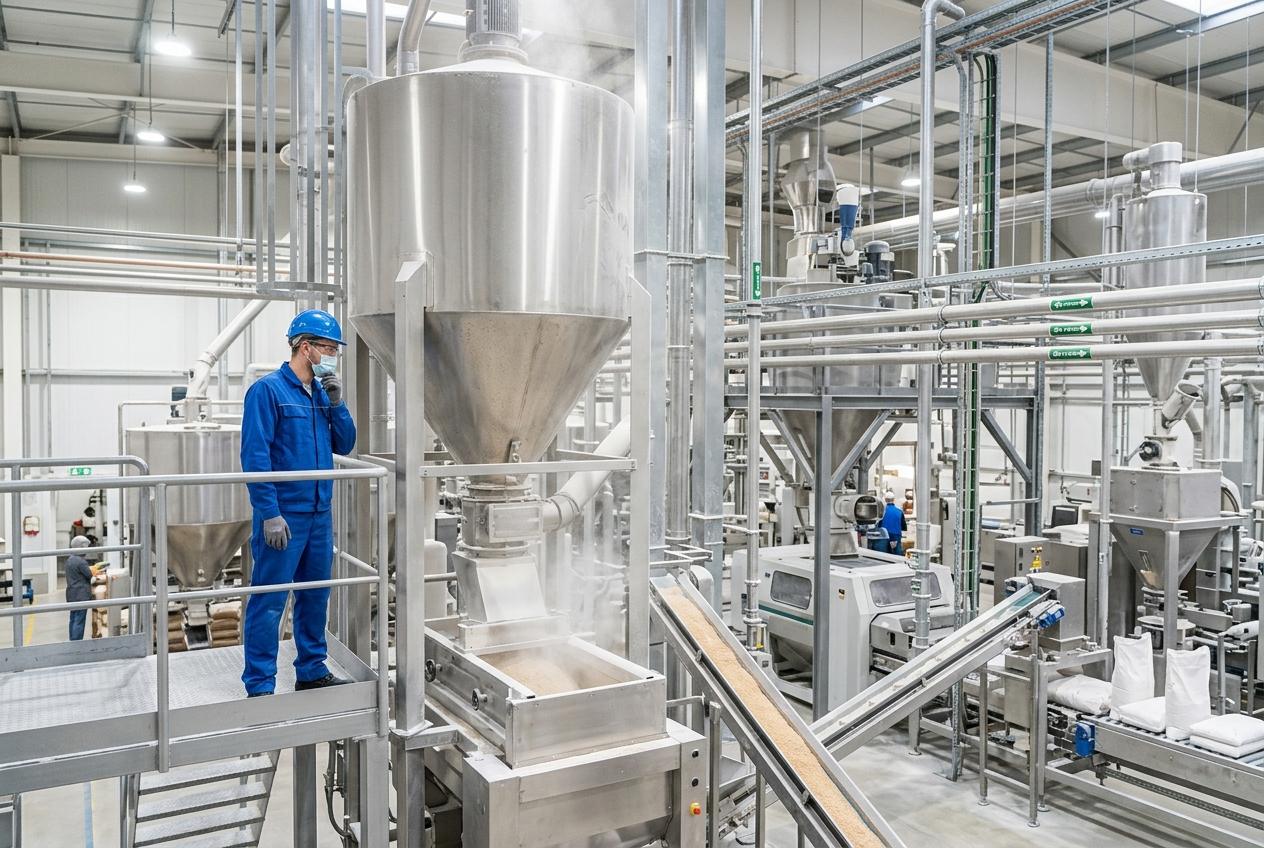
A fine (1mm and upwards) layer of flour dust on equipment surfaces might look harmless, but it represents one of the most underestimated hazards in food manufacturing. Many food manufacturers are sitting on an explosion risk without realising it, treating combustible dust as a housekeeping issue rather than a critical safety threat.
The statistics paint a stark picture: agricultural activity and food production Account for 33% to 45% of dust fires and explosion incidents recorded globally since 2017. These aren’t rare, freak accidents. They’re predictable events that occur when facilities fail to recognise ordinary ingredients as potential explosives.
The EU food and drink industry generates over €1,112 billion in annual turnover, yet many operations remain vulnerable to incidents that could halt production, injure workers, and trigger devastating insurance claims. Understanding why everyday food materials become dangerous under specific conditions is the first step toward prevention.
Why Food Dust Is Explosive
Combustible dust explosions Require five elements working together: fuel, oxygen, an ignition source, dispersion of particles, and confinement. Safety professionals call this the Explosion Pentagon. Remove any single element, and an explosion cannot occur. The problem is that food manufacturing environments naturally provide all five.
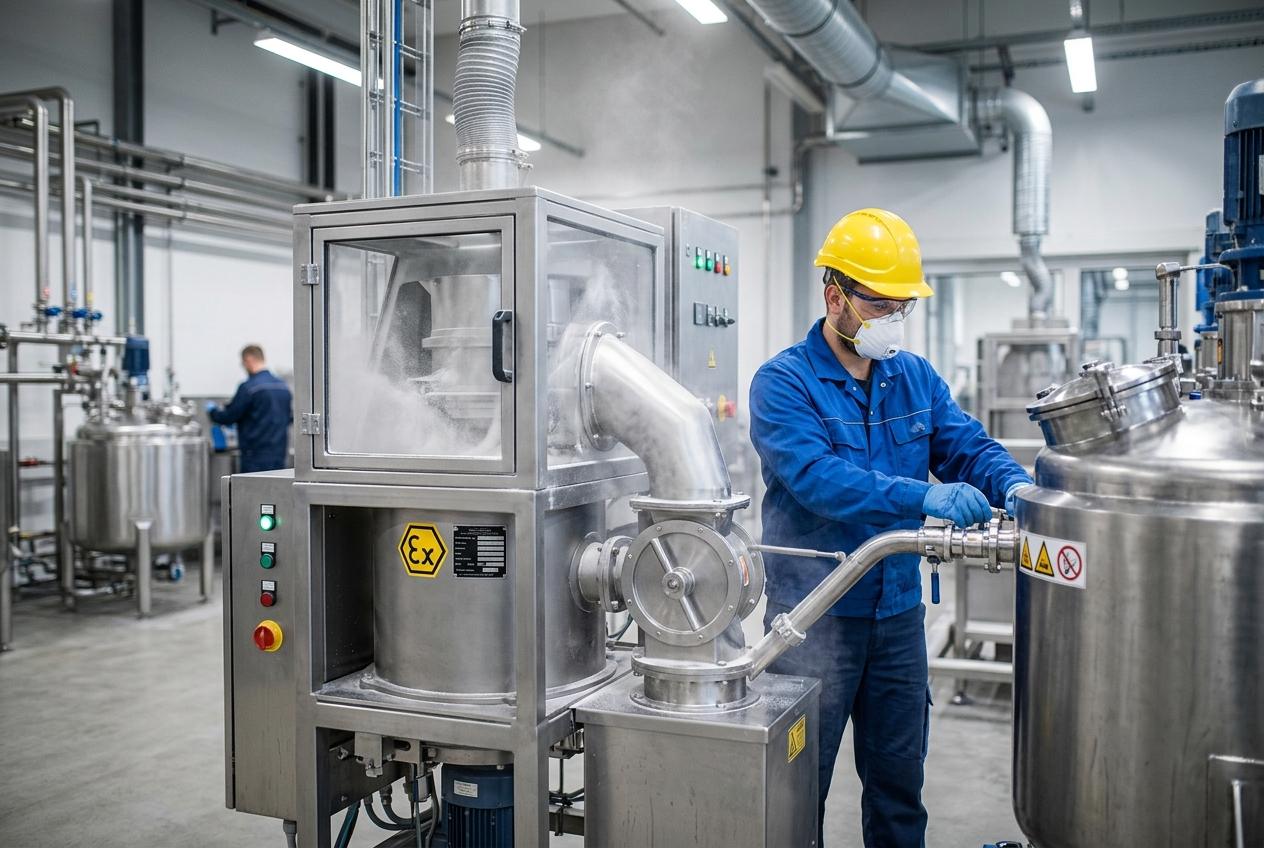
When fine particles become airborne in an enclosed space, their surface area relative to volume increases dramatically. A kilogram of sugar in a bag poses minimal fire risk, but that same sugar dispersed as fine dust in a mixing chamber becomes highly reactive. Any ignition source, whether from static electricity, overheated bearings, or electrical equipment, can trigger a primary explosion.
Primary explosions often cause secondary events that prove far more destructive. The initial blast dislodges accumulated dust from surfaces throughout the facility, creating dense clouds that ignite in rapid succession. This chain reaction explains why seemingly minor incidents escalate into catastrophic events within seconds.
Common Combustible Food Dusts (Flour, Sugar, Milk Powder, Starch)
Flour ranks among the most dangerous combustible dusts in food processing. Its fine particle size and organic composition make it highly reactive when suspended in air. Historical incidents, including the devastating 2008 Imperial Sugar refinery explosion that killed 14 workers, demonstrate the lethal potential of sugar dust accumulation.
Milk powder presents particular challenges due to its tendency to clump and accumulate in hard-to-reach areas. Starch, whether derived from corn, potato, or wheat, ignites readily and burns intensely. Coffee grounds, cocoa powder, and spice dusts all carry similar risks, though they’re rarely treated with appropriate caution.
Nearly 24% of dust explosion incidents reported occurred in the food industry, involving materials like flour, coffee, and sugar. As one safety expert noted: “Combustible dust is a dynamic operational hazard. Everyday food ingredients like sugar and flour become explosive under certain conditions. Because dust behaviour shifts with process, material, and environmental changes, prevention requires constant vigilance, not one-time fixes.”
Where Dust Builds Up in Facilities
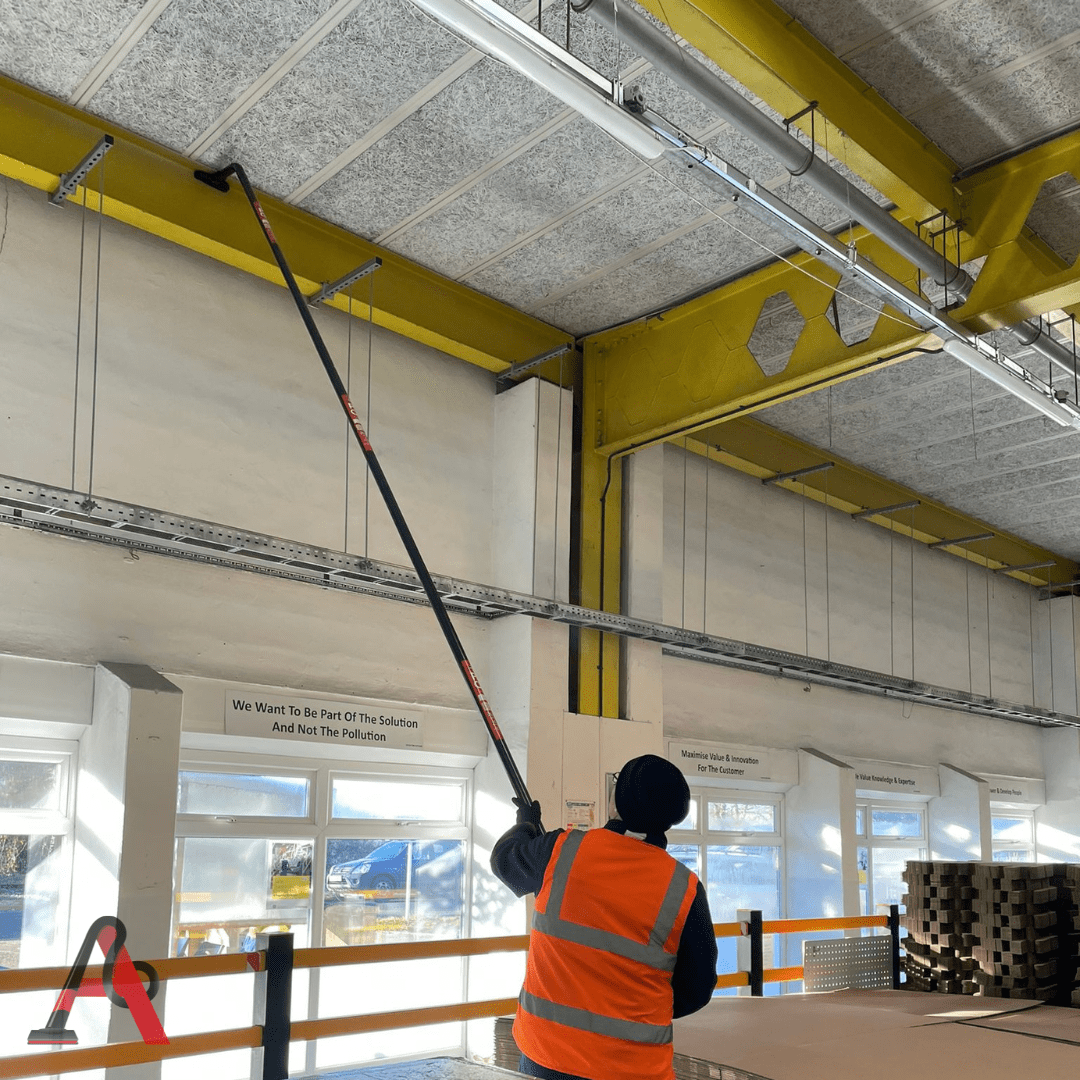
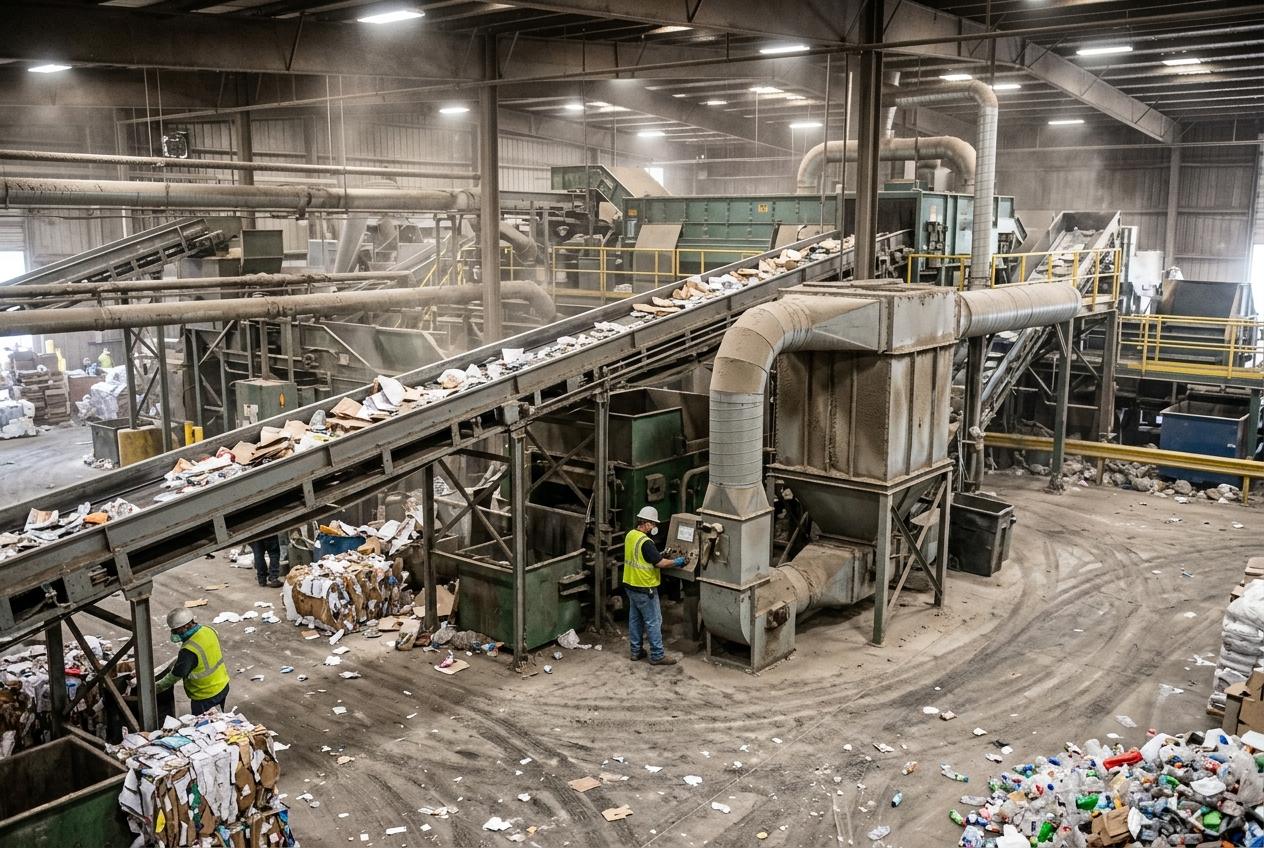
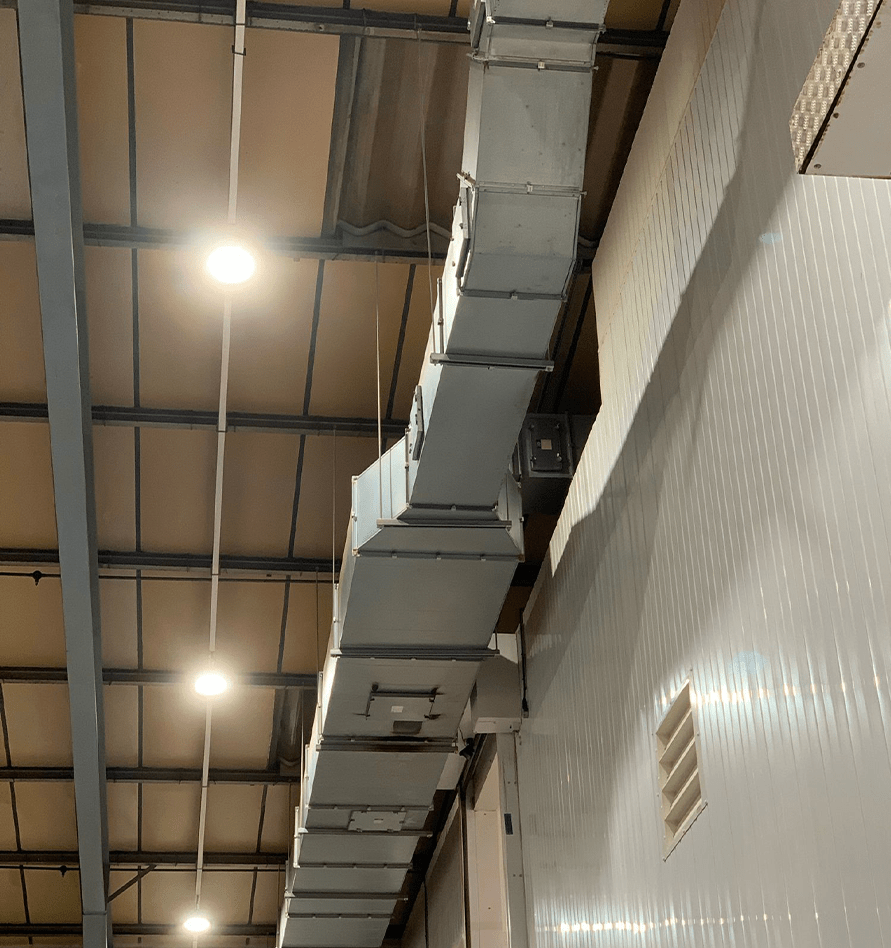
Dust accumulates in predictable locations that often escape routine cleaning. Elevated surfaces, including structural beams, cable trays, and the tops of equipment housings, collect fine particles over months or years. These areas remain invisible during normal operations but harbour substantial fuel loads.
Extraction and ventilation systems designed to remove airborne dust can become concentration points when filters clog or duct work develops leaks. Conveyor systems, bucket elevators, and pneumatic transfer lines generate friction and static while moving dusty materials. Grinding, milling, and mixing operations create the finest, most reactive particles.
The threshold for danger is remarkably low: Dust accumulation of just 0.8mm across 5% of floor area Provides sufficient fuel for destructive secondary explosions. That’s roughly the thickness of a paperclip wire, spread across an area smaller than most would consider significant. Regular inspections must include elevated surfaces, enclosed spaces, and equipment interiors where dust migrates unnoticed.
ATEX Regulations Explained Simply
ATEX regulations derive from two European directives governing equipment and workplaces in potentially explosive atmospheres. The term comes from “ATmosphères Explosives” and applies to any environment where combustible dust might create explosion hazards.
For food manufacturers, ATEX compliance Involves three core requirements. First, facilities must classify zones based on the likelihood and duration of explosive atmospheres. Zone 20 indicates areas where explosive dust clouds exist continuously or frequently. Zone 21 covers locations where explosive atmospheres occur occasionally during normal operations. Zone 22 applies where explosive atmospheres are unlikely but possible.
Second, all electrical and mechanical equipment used within classified zones must carry appropriate ATEX certification. Standard motors, switches, and lighting fixtures can provide ignition sources that certified equipment eliminates. Third, employers must document their explosion risk assessment, implement protective measures, and train workers accordingly.
Non-compliance carries serious consequences beyond regulatory penalties. Insurance policies may become void if an incident occurs in a facility that failed to meet ATEX requirements, leaving businesses exposed to full liability for damages, injuries, and business interruption losses.
Real Risks (Fire, Explosion, Insurance Issues)
The financial impact of dust-related incidents extends far beyond immediate damage. Fires and explosions are the number one cause of corporate insurance losses, accounting for $19.5 billion in insurance claims, representing 21% of the value of all claims during a recent five-year period. Food manufacturers face particular vulnerability because their operations combine combustible materials with continuous processing.
Property damage from explosions can render facilities inoperable for months. Equipment replacement, structural repairs, and decontamination costs accumulate rapidly. Business interruption losses often exceed direct damage costs, particularly when supply contracts cannot be fulfilled and customers seek alternative suppliers.
Worker injuries and fatalities create additional liability exposure and regulatory scrutiny. Facilities that experience serious incidents face mandatory inspections, potential prosecution of responsible individuals, and reputational damage that affects customer relationships. Insurance premiums increase substantially after claims, and some insurers refuse to renew coverage for facilities with poor safety records. The cost of prevention is invariably lower than the cost of recovery.
How to Reduce Risk
Effective dust explosion prevention follows the HSE Hierarchy of Controls, prioritising elimination and engineering solutions over administrative measures. The most reliable approach removes the hazard entirely, though this proves impractical for most food processing operations that inherently generate dust.
Engineering controls offer the next level of protection. These include explosion venting panels that direct blast pressure away from workers, suppression systems that detect and extinguish explosions within milliseconds, and isolation devices that prevent flame propagation through duct work. Dust extraction systems must be properly designed, regularly maintained, and equipped with explosion-rated components.
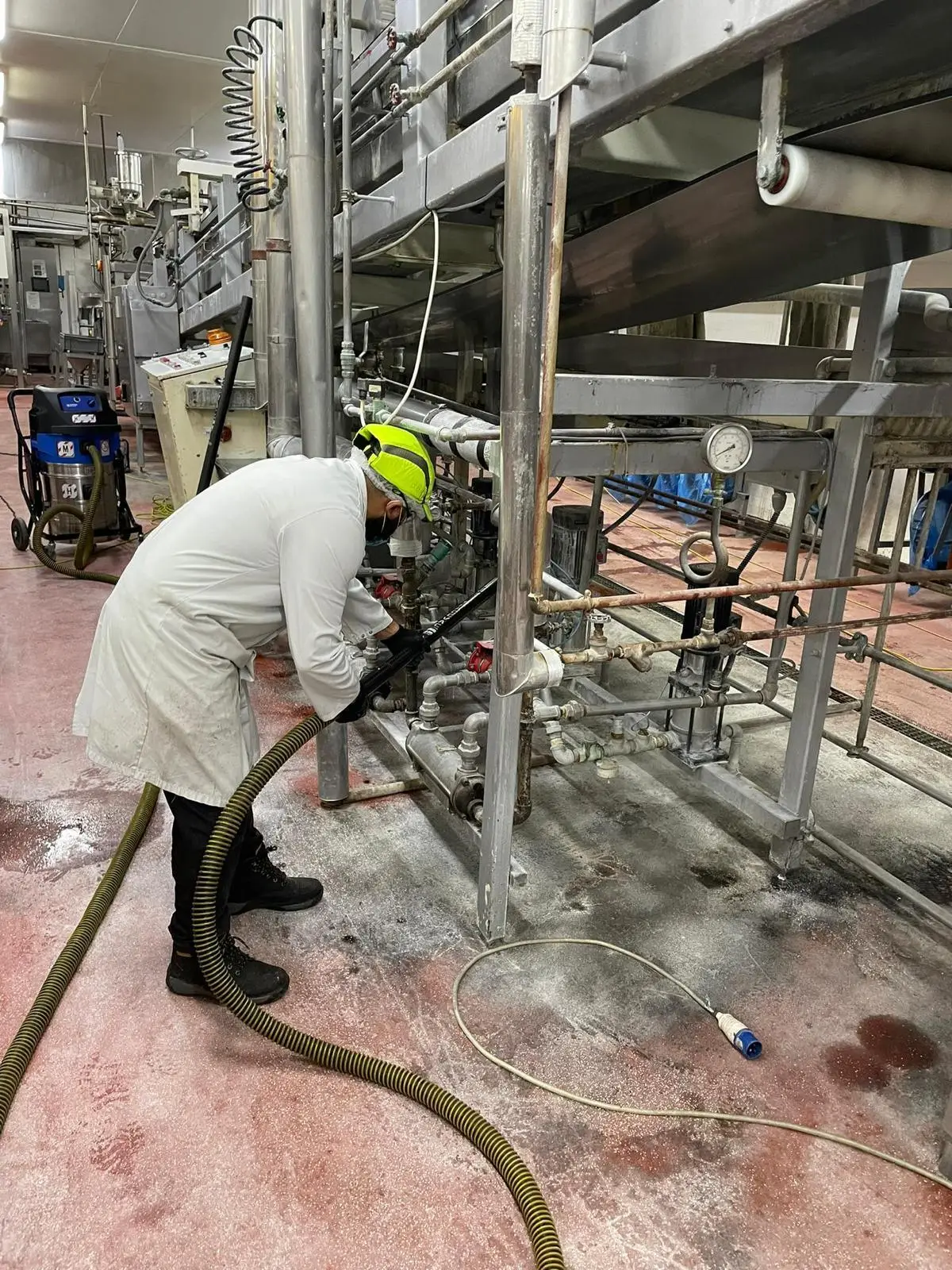
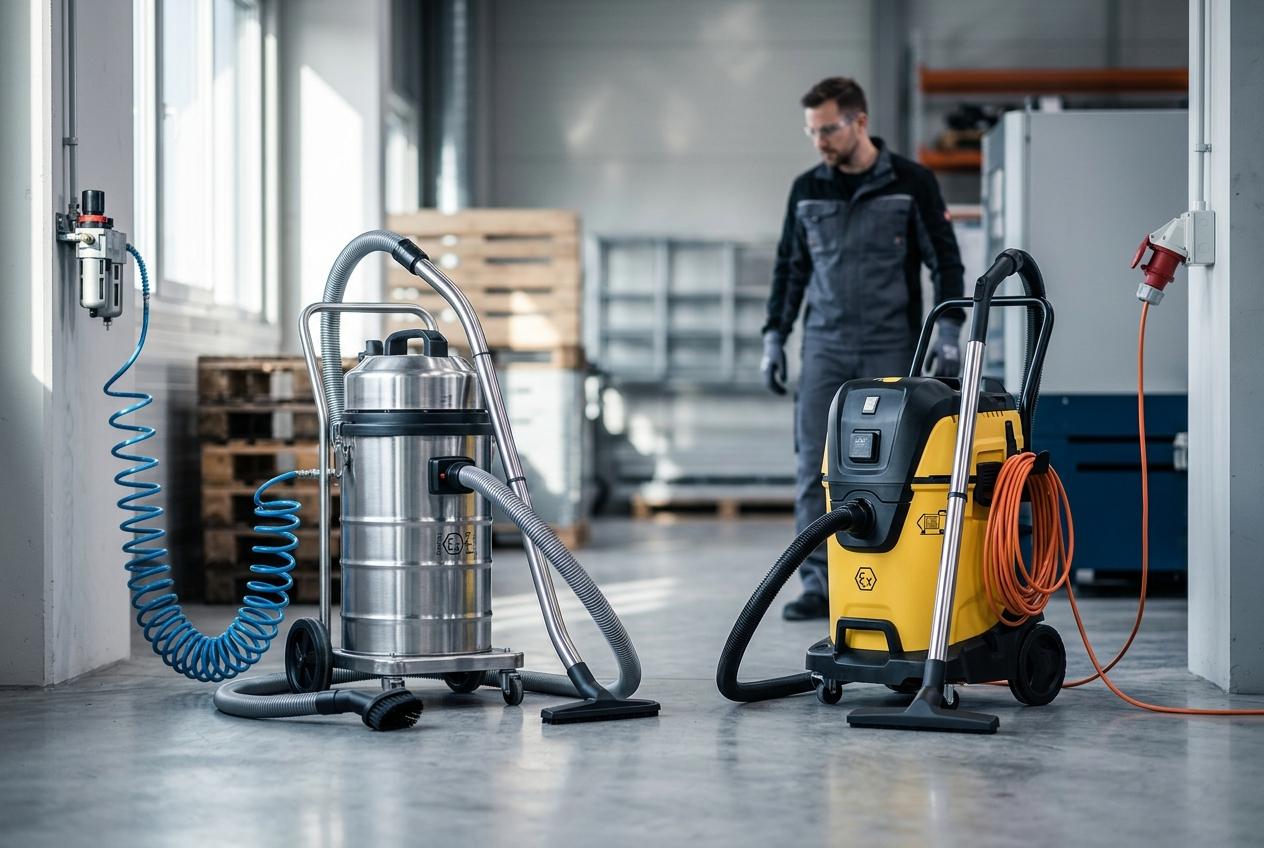
Administrative controls supplement engineering measures. Cleaning schedules must address all dust accumulation points, including elevated surfaces that require specialised equipment to access safely. Hot work permits, electrical equipment inspections, and static grounding procedures reduce ignition sources. Worker training ensures everyone recognises hazards and responds appropriately to warning signs.
Contrasting inherent safety with engineered protection clarifies the distinction: pneumatic cleaning systems that use compressed air rather than electrical motors eliminate ignition sources entirely, while flameproof electrical enclosures contain potential ignition events. Both approaches reduce risk, but inherent safety removes hazards rather than controlling them.
Book an ATEX Assessment
Food manufacturers who recognise the explosion risks in their facilities face a clear choice: address vulnerabilities proactively or wait for an incident that forces action under far worse circumstances. The path forward starts with understanding exactly where your facility stands.
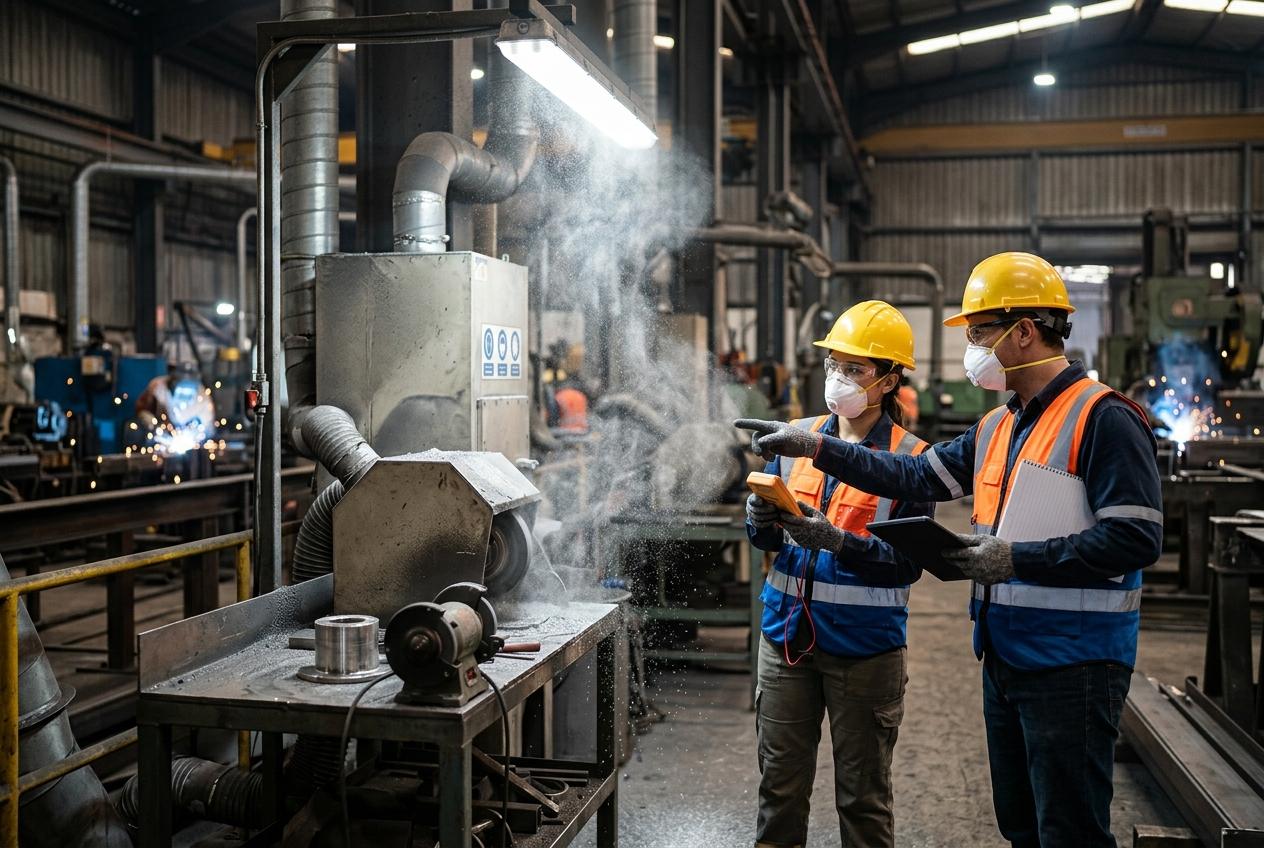
Professional ATEX assessments identify zone classifications, evaluate equipment compliance, and highlight dust accumulation patterns that internal teams often miss. These assessments translate regulatory requirements into practical action plans prioritised by risk level and cost-effectiveness.
Not sure if your site is at risk? Specialists can assess your facility, highlight any dust or compliance issues, and recommend the safest, most cost-effective solution. Book a free assessment With no obligation to discover what protection your operation actually needs. The investment in prevention costs a fraction of what a single incident would demand in recovery, and it protects both your workers and your business continuity.