Nilfisk: Complete Product Guide & Reviews (2026)
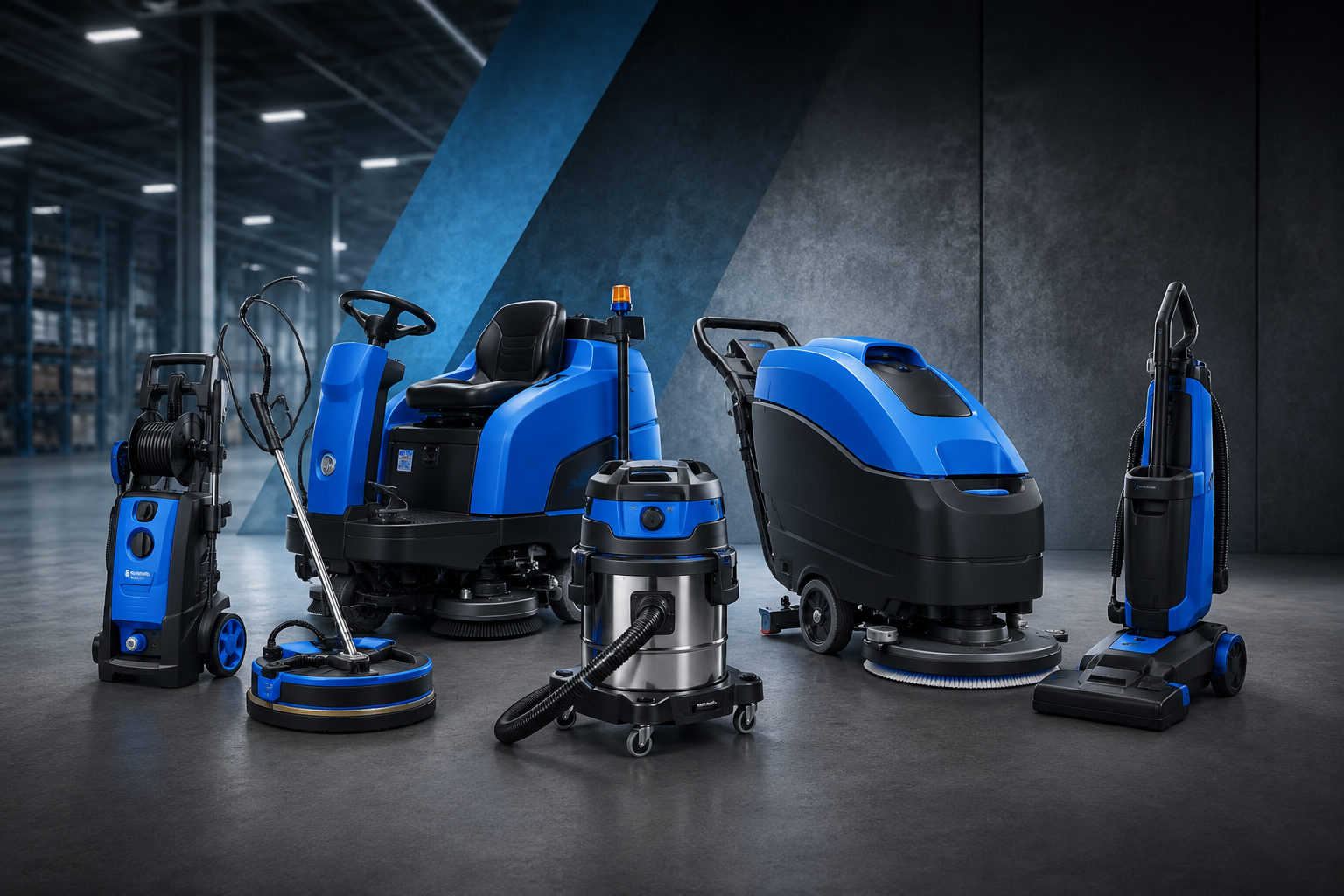
Explore our Nilfisk complete product guide and reviews for 2026 to find high-performance cleaning equipment for industrial, commercial, and domestic use.
Continue Reading
Why High-Level Dust Builds Faster in Cold Weather and What Sites Should Do About It
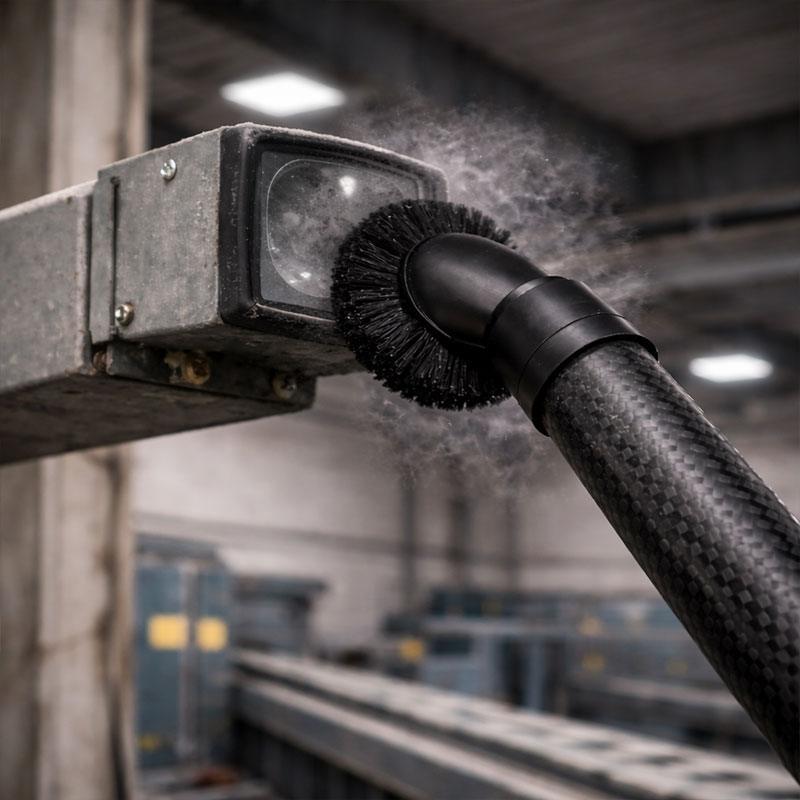
Cut nuisance stops and mis-reads with a targeted high-level clean on lenses, beams, tray lips and bracket fixings. Ground-based up to 16 m, minimal disruption, clear before/after proof.
Continue Reading
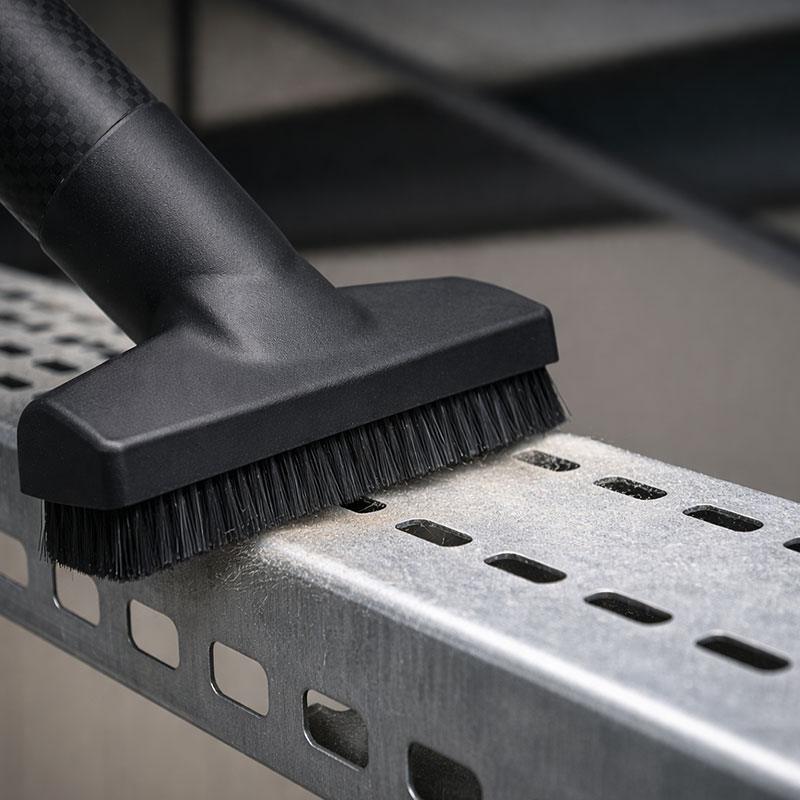
Three Simple Checks to Keep High-Level Dust Under Control
A simple, visual guide to the five overhead areas that collect dust fastest. What to photograph, why it matters, and how to clean from the ground with minimal disruption.
Continue Reading
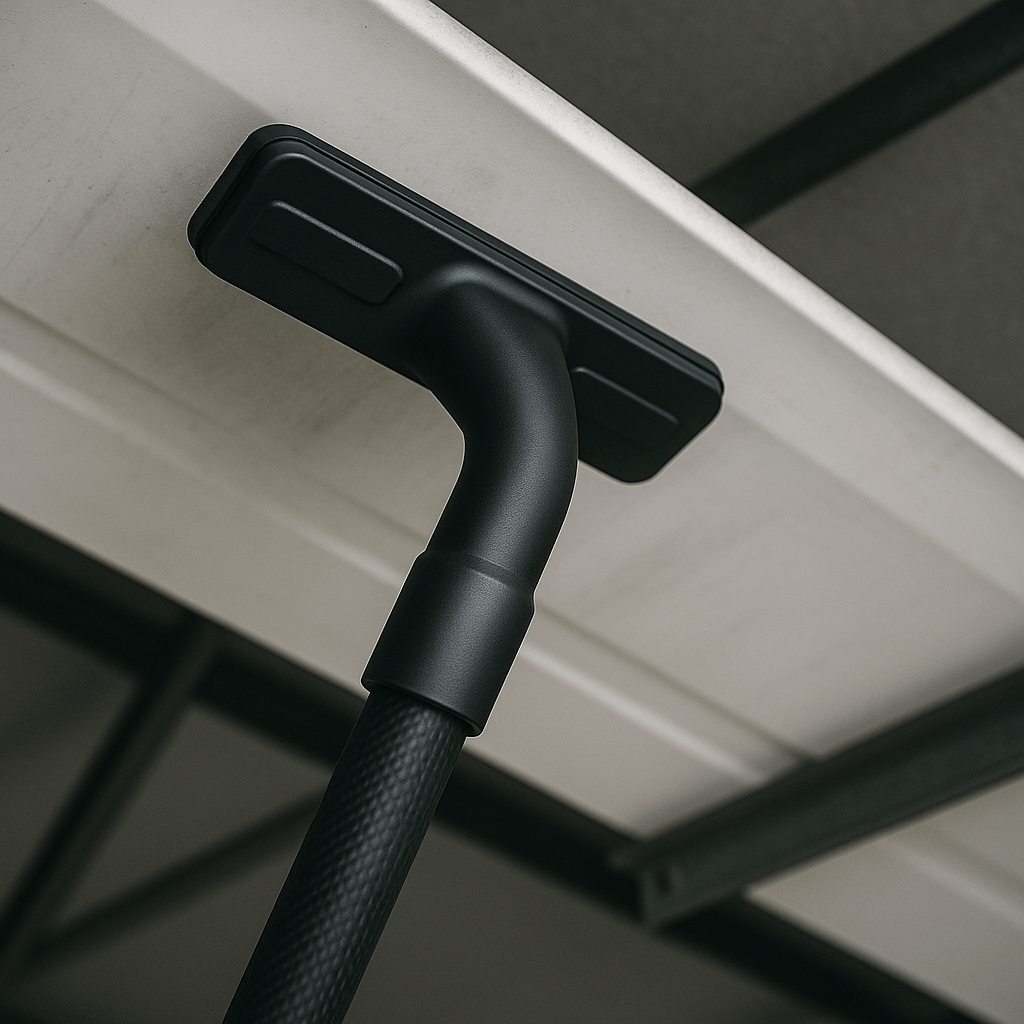
Night, Weekend or Live? How to Plan High-Level Cleaning Around Production
A simple, visual guide to the five overhead areas that collect dust fastest. What to photograph, why it matters, and how to clean from the ground with minimal disruption.
Continue Reading
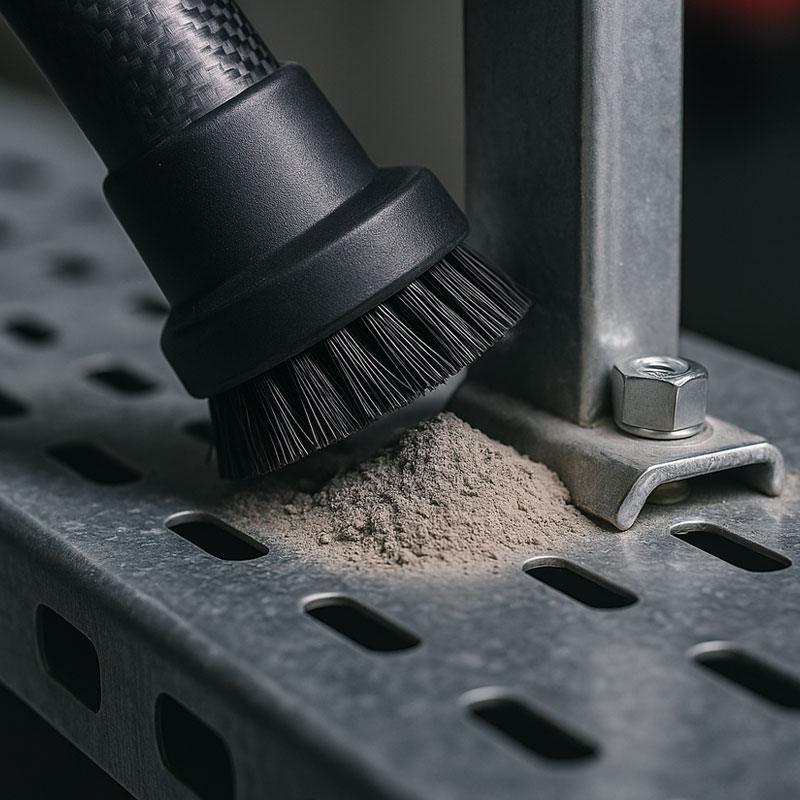
Start-Up and Shut-Down: A Quick High-Level Dust Checklist
A simple, visual guide to the five overhead areas that collect dust fastest. What to photograph, why it matters, and how to clean from the ground with minimal disruption.
Continue Reading

The 10-Minute High-Level Dust Check for Busy Production Teams
A quick daily routine to spot and stop high-level dust reaching your line. Simple steps, minimal disruption, clear evidence.
Continue Reading
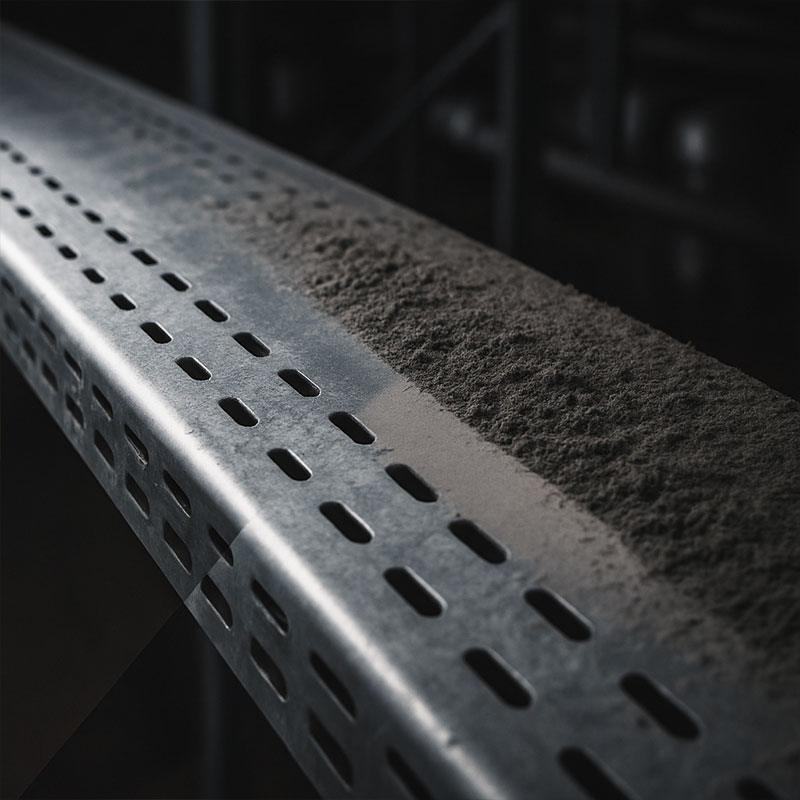
BRCGS Audit: 7 High level Cleaning Pitfalls That Trigger Findings And How To Avoid Them
Preparing for a BRCGS audit? Learn the seven most common high level cleaning pitfalls that lead to findings and how to fix them fast, with evidence you can file today.
Continue Reading

Dust Fallout Paths: How High-Level Dust Reaches Product — And How To Stop It
Find dust on guards or fillers even though you’re housekeeping regularly? That’s fallout — particles released at height that ride air currents and resettle on your kit. Below is a simple way to understand where it starts, how it travels and what to do so it doesn’t reach product.
Continue Reading
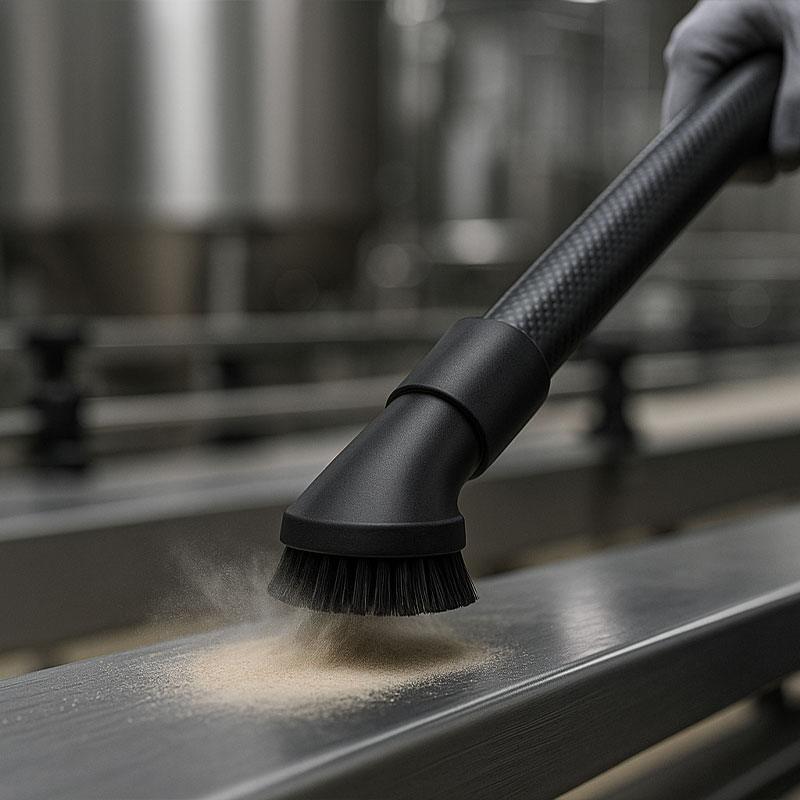
The Benefits of ATEX-Certified Vacuums (and When You Actually Need One)
Discover the real-world benefits of ATEX-certified vacuum systems in dust-hazard zones. Safer by design, audit-ready documentation, minimal disruption and better dust control.
Continue Reading
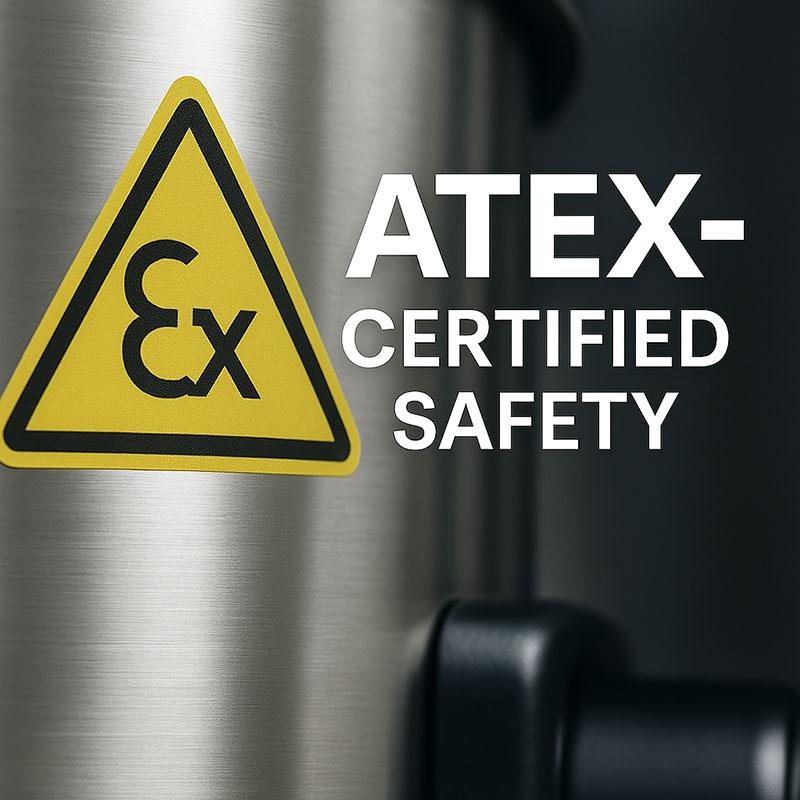
Why ATEX-Certified Vacuums Are Essential for Safety in Explosive Environments
When working in industrial environments where combustible dust is present, safety can never be compromised. From flour mills to pharmaceutical plants, even the smallest particles can pose a serious explosion risk. That’s why ATEX-certified vacuums aren’t just a smart choice - they’re a legal requirement for facilities operating in potentially...
Continue Reading