Few brands in the professional cleaning equipment sector carry the same weight as Nilfisk. With over a century of engineering behind them and a product range spanning everything from compact domestic pressure washers to industrial-grade vacuum systems capable of handling hazardous dust, the Danish manufacturer has earned a reputation that precedes it. Whether you’re a facilities manager sourcing equipment for a warehouse, a contractor looking for reliable site cleaning tools, or a homeowner wanting commercial-grade performance in your garage, Nilfisk likely has something designed for your exact situation. This guide reviews their full 2026 product lineup, breaks down what each range offers, and gives you an honest assessment of where Nilfisk excels and where it falls short.
Nilfisk at a Glance
- What they’re known for: Nilfisk is a Danish manufacturer specialising in professional and industrial cleaning equipment, including vacuum cleaners, pressure washers, scrubber dryers, and sweepers. They’re particularly respected in sectors where dust control and workplace safety are non-negotiable: manufacturing, food processing, pharmaceuticals, and construction.
- Price range: Entry-level domestic products start around £150-£300, while professional-grade vacuums and pressure washers sit between £500 and £2,000. Industrial machines, including ATEX-certified vacuums and ride-on scrubbers, can range from £3,000 to well over £20,000 depending on specification.
- Key differentiators: Nilfisk’s filtration technology is a genuine standout. Their H-class and HEPA-certified vacuums meet stringent occupational health standards, and their ATEX-rated machines are trusted across Europe for explosive dust environments. Build quality tends to be a step above mass-market competitors.
- Best for: Facilities managers, cleaning contractors, health and safety professionals, and industrial operations where dust compliance, durability, and long-term cost of ownership matter more than the cheapest upfront price.
About Nilfisk
Nilfisk was founded in 1906 in Copenhagen, Denmark, by Peder Andersen Fisker and Hans Marius Nielsen. The company originally operated under the name Fisker & Nielsen and produced its first vacuum cleaner, the Nilfisk C1, in 1910. That machine weighed roughly 17.5 kilograms and was considered a breakthrough for its time: compact enough for a single person to operate when competitors required two or three people to manage their equipment.
Over the following decades, Nilfisk expanded from domestic vacuum cleaners into a full spectrum of professional cleaning solutions. The company now operates in more than 100 countries and employs thousands of people globally. Their headquarters remain in Denmark, though manufacturing and distribution facilities are spread across Europe, the Americas, and Asia-Pacific.
Nilfisk’s market position sits firmly in the professional and industrial segment. While they do produce consumer-grade products, their core strength lies in equipment designed for demanding commercial environments. Their machines appear regularly in pharmaceutical clean rooms, food production facilities, automotive plants, and construction sites where dust control is both a regulatory requirement and a genuine safety concern.
What separates Nilfisk from many competitors is their focus on filtration performance and compliance with occupational exposure limits. Their industrial vacuums routinely meet or exceed standards set by bodies like the HSE in the UK and OSHA internationally. For facilities dealing with combustible dust, their ATEX-certified range addresses the specific requirements of Directive 2014/34/EU, which is critical given that dust explosions remain a real and often underestimated risk across multiple industries. The 2008 Imperial Sugar refinery explosion in the United States, which killed 14 workers and injured 36, remains a stark reminder of what happens when dust management is treated as an afterthought.
Nilfisk Product Lines
Nilfisk organises its products into several distinct categories, each targeting different users and applications. Understanding these lines helps you avoid overspending on features you don’t need or, worse, buying equipment that’s underspecified for your environment.
Vacuum Cleaners
This is Nilfisk’s broadest range, spanning domestic canister vacuums through to industrial single-phase and three-phase machines. The AERO series handles general commercial cleaning duties, while the ATTIX line steps up to wet and dry applications on construction sites and workshops. At the top end, the IVS (Industrial Vacuum Solutions) range includes machines rated for continuous-duty operation in manufacturing environments. Prices range from approximately £200 for a basic AERO unit to £5,000+ for a heavy-duty IVS system. ATEX-certified models for explosive atmospheres sit at the premium end, often exceeding £8,000 depending on zone classification.
Pressure Washers
Nilfisk’s pressure washer lineup covers cold water, hot water, and stationary models. The CORE and PREMIUM ranges serve domestic and light commercial users, typically priced between £150 and £600. The professional MC and MH series are built for daily commercial use: think fleet washing, agricultural equipment, and industrial degreasing. Hot water models in the MH range start around £2,500 and can exceed £6,000 for trailer-mounted units.
Scrubber Dryers
Designed for floor cleaning in retail, healthcare, logistics, and manufacturing settings, Nilfisk’s scrubber dryers come in walk-behind and ride-on configurations. The SC100 is a compact walk-behind suitable for small retail spaces, while the SC6500 ride-on model covers large warehouse floors efficiently. Pricing runs from around £1,500 for basic walk-behind units to £25,000+ for the largest ride-on machines with integrated dosing systems.
Sweepers
Nilfisk produces both manual push sweepers and powered ride-on sweepers. The SW range is popular in car parks, distribution centres, and outdoor commercial areas. Manual sweepers start at a few hundred pounds, while powered models with dust suppression can reach £15,000 or more.
Specialty and ATEX Equipment
This niche but critical line includes vacuums and dust extraction systems certified for use in potentially explosive atmospheres. These machines are engineered to prevent ignition sources, with grounded components, anti-static filters, and spark-arresting designs. They’re essential in industries handling fine combustible powders: flour, sugar, metal dust, wood dust, and pharmaceutical compounds.
Best Nilfisk Products in 2026
Selecting the right machine depends entirely on your application, but these models consistently earn strong reviews and represent genuine value across Nilfisk’s 2026 catalogue.
ATTIX 33-2H IC
This H-class vacuum is a workhorse for construction and renovation contractors. It captures 99.995% of particles at 0.18 microns, making it compliant with HSE requirements for hazardous dust including silica, lead, and asbestos fibres. The InfiniClean system automatically cleans the filter every 15 seconds, maintaining suction without manual intervention. Priced around £600-£700, it represents strong value for a machine that meets regulatory requirements many cheaper vacuums simply cannot.
CORE 140 PowerControl
For homeowners wanting Nilfisk quality without the professional price tag, the CORE 140 is a solid cold-water pressure washer delivering 140 bar of pressure. The PowerControl system lets users adjust pressure and flow via the trigger gun, which protects delicate surfaces like timber decking. At approximately £250, it sits in the sweet spot between toy-like budget washers and overkill commercial units.
SC401 43B
This battery-powered walk-behind scrubber dryer suits small to medium commercial spaces: cafes, clinics, and retail stores. It offers a 43cm cleaning path, roughly 70 minutes of runtime per charge, and a remarkably low noise level that allows cleaning during business hours. Expect to pay around £2,000-£2,500 depending on the dealer.
AERO 26-21 PC
A versatile wet and dry vacuum for workshops and light commercial use. The push-and-clean filter system is simple and effective, and the 25-litre container handles most jobs without constant emptying. At around £300-£350, it’s an affordable entry point into Nilfisk’s professional range.
MH 5M-210/1100 FA
If you need hot water pressure washing for heavy degreasing, food processing clean-downs, or agricultural equipment, this mobile hot water unit delivers 210 bar at 1,100 litres per hour. The fuel-fired boiler heats water to 90°C, cutting through grease and biofilm far more effectively than cold water alone. Pricing sits around £4,500-£5,500, which is competitive for this class of machine.
IVS ATTIX 965-0H/M SD XC
This is Nilfisk’s answer for facilities needing serious industrial dust extraction with H-class filtration. The 50-litre container, three-motor design, and XtremeClean filter system make it suitable for continuous-duty operation in manufacturing environments. It handles fine, hazardous dusts that would clog or bypass lesser machines. Expect pricing around £2,500-£3,000.
SW4000 B
For large outdoor areas and distribution centres, this battery-powered ride-on sweeper covers up to 7,200 square metres per hour. The integrated dust suppression system keeps fine particles from becoming airborne, which matters enormously in facilities where settled dust on beams, cable trays, and equipment tops creates secondary explosion risks. Pricing varies significantly by configuration but typically starts around £12,000.
Nilfisk Pros and Cons
A balanced view of Nilfisk as a brand helps you decide whether their equipment is the right fit for your specific needs and budget.
Advantages
- Filtration excellence: Nilfisk’s H-class and HEPA filtration systems are genuinely best-in-class. For operations subject to workplace exposure limits, particularly the HSE’s silica dust PEL of 0.1 mg/m³, their vacuums provide measurable compliance rather than vague marketing claims.
- Build quality and durability: Professional and industrial Nilfisk machines are built for daily use over years, not months. Steel components, reinforced hoses, and quality motors translate to lower total cost of ownership despite higher upfront prices.
- ATEX certification range: Few manufacturers offer the breadth of ATEX-certified equipment that Nilfisk does. For facilities handling combustible dusts, this matters: the relationship between particle size, surface area, and combustibility means fine dust is exponentially more dangerous than bulk material, and only properly certified equipment should be used.
- Ergonomic design: Nilfisk consistently scores well on user comfort. Features like low noise levels, balanced weight distribution, and intuitive controls reduce operator fatigue during extended shifts.
- Global parts and service network: With operations in over 100 countries, getting parts, servicing, and technical support is straightforward compared to smaller or import-only brands.
- Environmental commitments: Nilfisk has made measurable progress on reducing energy consumption and material waste across their product lines, with several models carrying recognised eco-labels.
Drawbacks
- Higher upfront cost: Nilfisk products typically cost 20-40% more than comparable machines from budget brands. For operations with tight capital budgets, this can be a genuine barrier even when the long-term economics favour Nilfisk.
- Consumer range is underwhelming: While their professional equipment is outstanding, Nilfisk’s domestic products don’t always justify the premium over strong competitors like Kärcher’s consumer lineup. The gap narrows significantly at the professional tier.
- Availability of niche models: Some specialist machines, particularly ATEX-rated units and larger industrial scrubbers, can have lead times of several weeks in the UK. Stock availability varies by dealer.
- Complexity of industrial range: The sheer number of models, configurations, and accessories in Nilfisk’s industrial catalogue can be overwhelming. Without guidance from a knowledgeable dealer or specialist, there’s a real risk of specifying the wrong machine.
- Battery technology: While Nilfisk’s battery-powered machines are improving, some users report that runtime and charge times still lag behind the best lithium-ion platforms offered by competitors in the outdoor power equipment space.
Where to Buy Nilfisk Products
Purchasing Nilfisk equipment through the right channel matters more than most buyers realise. Authorised dealers provide genuine warranty coverage, proper commissioning, and access to Nilfisk’s service network. Grey-market imports or unauthorised sellers may offer lower prices, but warranty claims become problematic and parts supply unreliable.
Nilfisk’s own website lists authorised dealers by region, and this should be your starting point. In the UK, several specialist cleaning equipment distributors carry the full professional and industrial range. For consumer products, reputable online retailers like Toolstation, Screwfix, and Amazon stock popular models, though the selection is typically limited to the domestic and light commercial lines.
For industrial and ATEX-certified equipment, working with a specialist distributor is strongly recommended. These machines often require site-specific configuration: the correct hose lengths, nozzle types, filter classes, and electrical ratings for your facility’s zone classification. A competent distributor will ask detailed questions about your application before recommending a specific model, which is exactly what you want.
To avoid counterfeits and grey imports, check for Nilfisk’s holographic labels on packaging, verify the serial number through Nilfisk’s website, and be wary of prices that seem significantly below the market rate. If a deal looks too good to be true, it almost certainly is.
Timing your purchase can also save money. Nilfisk and their dealers frequently run promotions at the start of the financial year and during major trade shows. Asking about ex-demonstration or refurbished units from authorised dealers is another route to genuine Nilfisk quality at reduced cost.
Nilfisk FAQ
Is Nilfisk better than Kärcher?
This is the most common comparison, and the honest answer depends on the application. For domestic pressure washers and basic home cleaning, Kärcher’s consumer range is arguably stronger in terms of value and availability. For professional and industrial applications, particularly where dust compliance, filtration performance, and ATEX certification matter, Nilfisk holds a clear edge. Both brands produce quality equipment, but their strengths sit at different points in the market.
What warranty does Nilfisk offer?
Standard warranty terms vary by product line and region. Consumer products typically carry a two-year manufacturer’s warranty, while professional equipment often comes with one to two years depending on the model. Extended warranty programmes are available through authorised dealers. Industrial equipment warranties frequently depend on commissioning by an authorised service partner, so purchasing through the correct channel is essential.
Are Nilfisk parts easy to source?
Yes, for current and recent models. Nilfisk maintains a comprehensive parts catalogue accessible through their website and dealer network. Common consumables like filters, bags, and brushes are widely stocked. Parts for discontinued models can sometimes require longer lead times, but Nilfisk’s support for legacy equipment is generally better than average for the industry.
Do I need an ATEX-certified vacuum?
If your facility handles combustible dusts, including wood, metal, flour, sugar, pharmaceutical compounds, or many chemical powders, the answer is almost certainly yes. UK regulations under DSEAR (Dangerous Substances and Explosive Atmospheres Regulations 2002) require employers to assess and control risks from explosive atmospheres. Using non-certified equipment in these environments isn’t just risky: it’s a legal liability. Fines for non-compliance can be substantial, and in the event of an incident, the consequences extend far beyond financial penalties.
How do Nilfisk vacuums handle fine dust?
This is where Nilfisk genuinely excels. Their H-class machines capture particles down to 0.18 microns with 99.995% efficiency. To put that in perspective, respirable crystalline silica particles, the ones that cause silicosis, are typically between 1 and 10 microns. A properly maintained Nilfisk H-class vacuum captures these particles before they become airborne and enter workers’ breathing zones. The automatic filter cleaning systems on models like the ATTIX 33-2H IC maintain this performance consistently rather than degrading as the filter loads.
Is Nilfisk worth the price premium?
For professional and industrial users, the maths typically works in Nilfisk’s favour over a three to five year ownership period. Lower maintenance costs, longer service life, better filtration compliance, and reduced downtime offset the higher purchase price. For casual domestic use where a machine runs for 20 minutes once a fortnight, the premium is harder to justify against capable budget alternatives.
Making the Right Choice
Nilfisk’s 2026 product guide reveals a manufacturer that continues to prioritise performance, compliance, and durability across its range. Their professional and industrial equipment remains among the best available in the UK market, particularly for operations where dust control directly impacts worker health and regulatory compliance. The consumer range, while competent, faces stiffer competition. Your decision should hinge on how demanding your application is: the tougher the environment, the more Nilfisk’s engineering justifies its price.
If you’re unsure whether your current cleaning equipment meets safety and compliance standards, our specialists can assess your facility, identify any dust or compliance gaps, and recommend the most cost-effective solution: completely free with no obligation. Book a site assessment to get started.
Related Posts
Why High-Level Dust Builds Faster in Cold Weather and What Sites Should Do About It
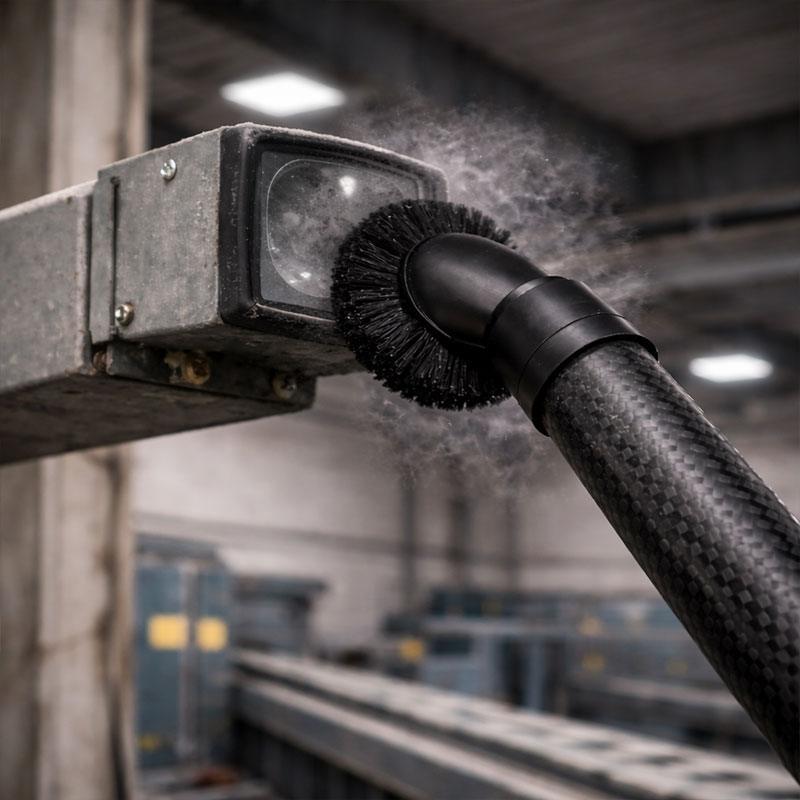
Stop False Trips: High-Level Cleaning That Stabilises Sensors and Keeps Lines Moving
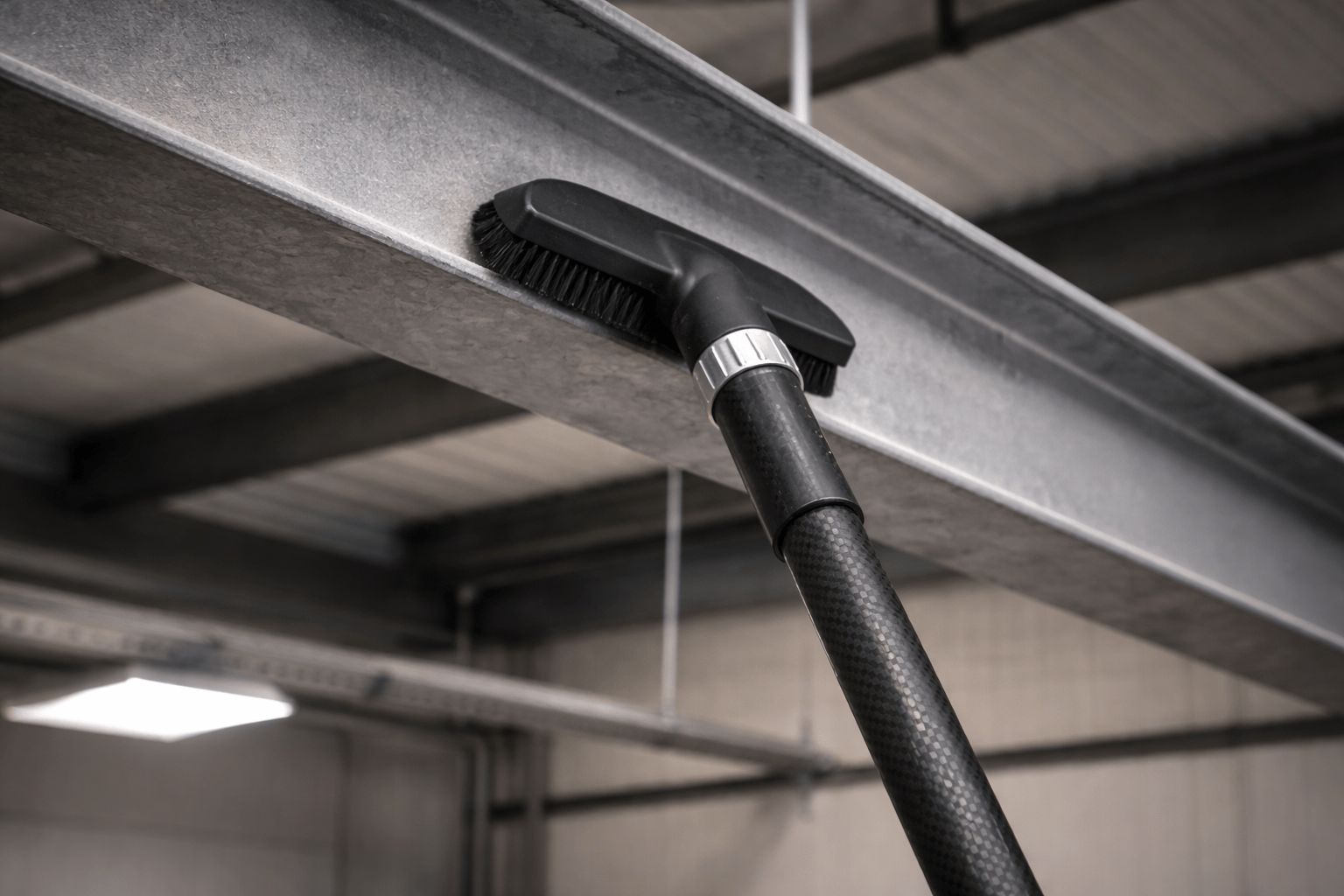
UK High-Level Cleaning: Reduce Working at Height with a Ground-Based Method
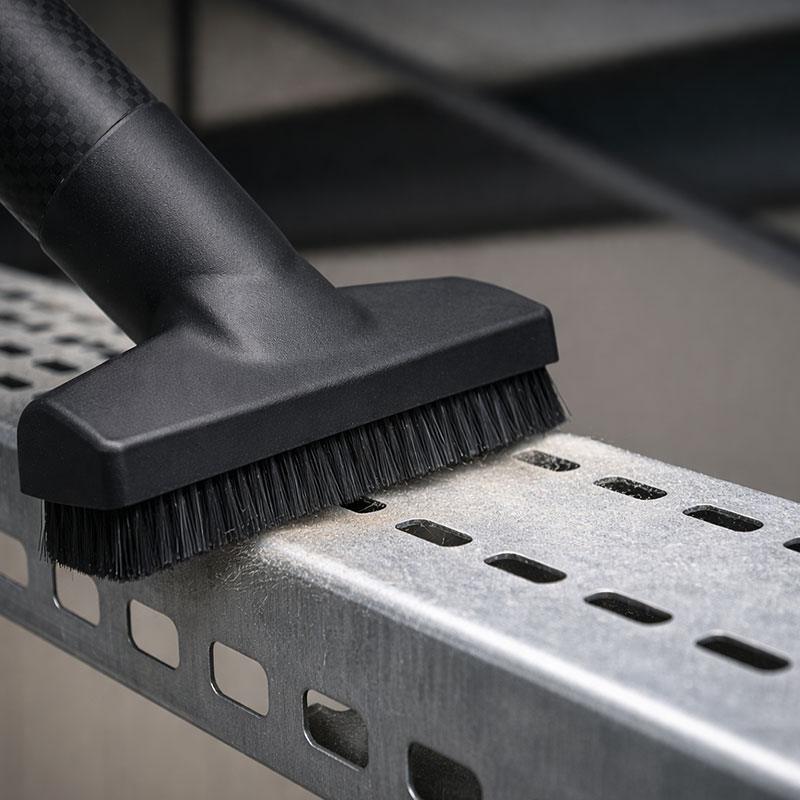
Three Simple Checks to Keep High-Level Dust Under Control
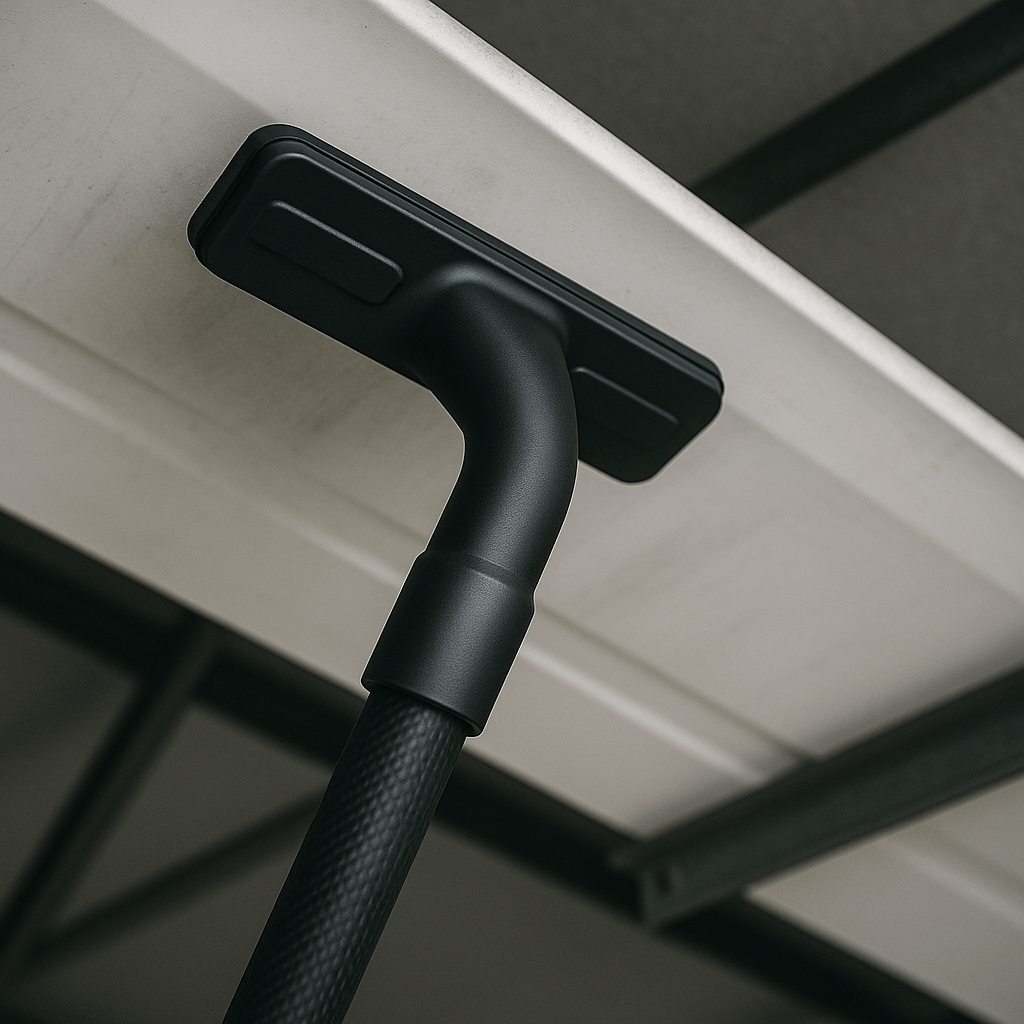
Night, Weekend or Live? How to Plan High-Level Cleaning Around Production
Start-Up and Shut-Down: A Quick High-Level Dust Checklist

The 10-Minute High-Level Dust Check for Busy Production Teams
BRCGS Audit: 7 High level Cleaning Pitfalls That Trigger Findings And How To Avoid Them

Dust Fallout Paths: How High-Level Dust Reaches Product — And How To Stop It