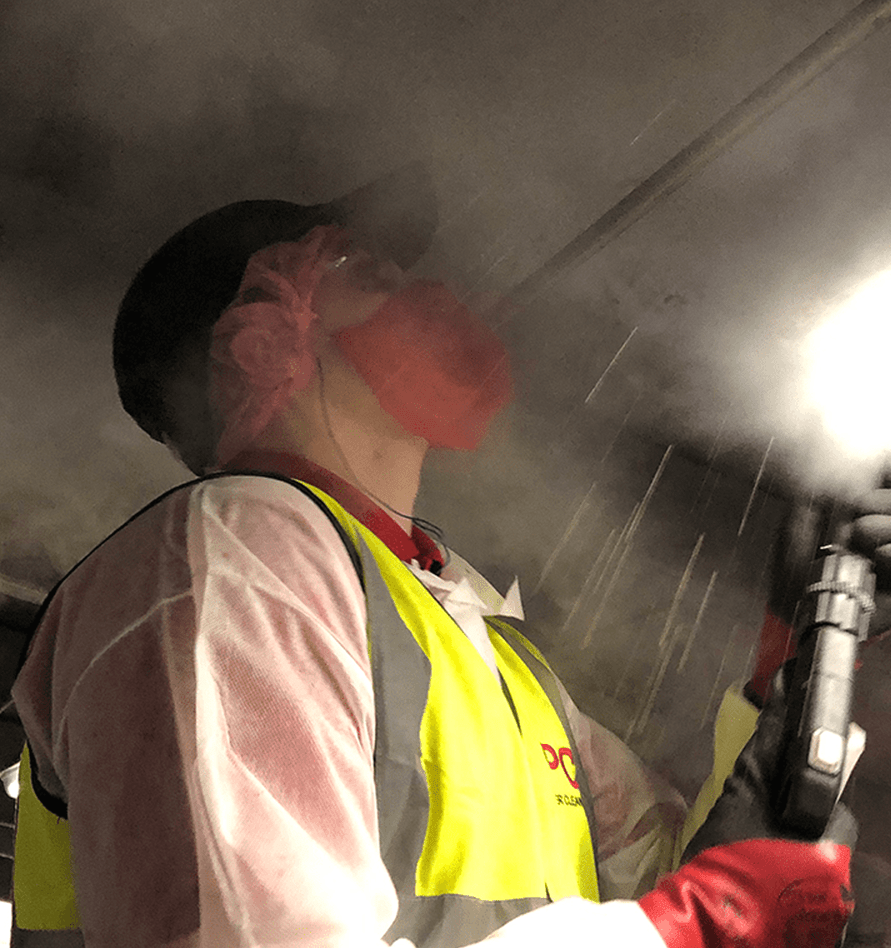
Dry steam cleaning is an industrial cleaning and sanitising method that uses high-temperature steam with very low moisture content to loosen grease, dirt, residues and contaminants from surfaces and equipment, because it uses relatively little water, it is particularly useful in food production, beverage manufacturing, pharmaceutical facilities and other industrial environments where excessive water or chemical cleaning may be undesirable.
Unlike conventional wet cleaning, dry steam contains relatively little water, allowing surfaces and production equipment to dry quickly after cleaning. The combination of high temperature and low moisture makes the process particularly useful where hygiene standards, water consumption, wastewater management and production downtime are important considerations.
| Question | Quick Answer |
|---|---|
| What is dry steam cleaning? | High-temperature, low-moisture steam cleaning |
| What does it remove? | Grease, oils, residues, dirt and some microbial contamination |
| Where is it used? | Manufacturing, food, beverage, pharmaceutical and industrial facilities |
| Does it use chemicals? | Often little or no additional chemical cleaning agent is required |
| Does it leave surfaces wet? | Far less moisture than conventional wet cleaning |
| Main advantage | High-temperature cleaning with reduced water usage |
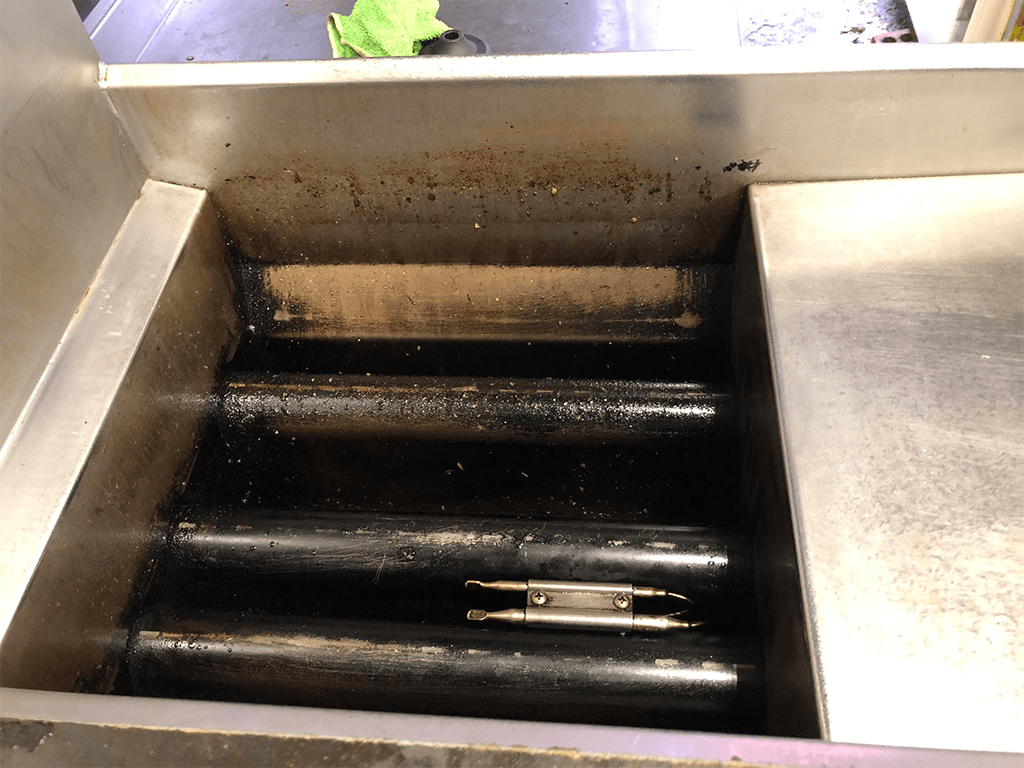
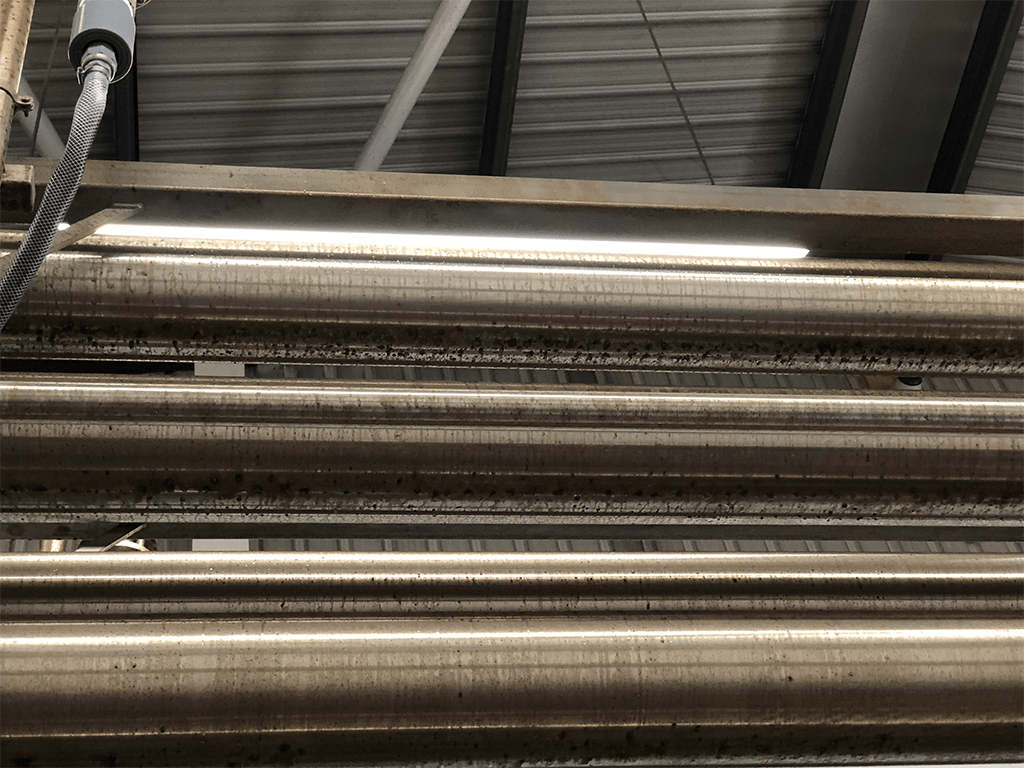

How Does Dry Steam Cleaning Work?
A typical dry steam cleaning setup includes a tank for storing water, a boiler, a delivery hose, and various nozzles and valves. Most of the larger industrial machines rely on three-phase power to the boiler althoughDry steam cleaning works by heating water in a boiler and delivering the resulting high-temperature, low-moisture steam through a hose and specialised nozzle. Heat and steam loosen contamination from the surface, after which loosened residue can be removed using a microfibre cloth, extraction system or other cleaning method.
A typical dry steam cleaning setup includes a tank for storing water, a boiler, a delivery hose, and various nozzles and valves. Most of the larger industrial machines rely on three-phase power to the boiler although smaller capacity units are produced which operate on single- phase power. These boilers should comply with ASME codes or Euro standards. Larger units may incorporate multiple boilers for greater steam volume. Systems are generally designed for portability, requiring only mains voltage supply. Systems are often mounted on casters and larger, 415v industrial machines sometimes offer dual hoses to permit two workers to work from the same machine.
Machines may have a single, refillable boiler or a two-tank system where feed water is kept in a separate non-pressurized tank and fed to the boiler as needed. Single tank systems must be depressurised before refilling while two-tank systems can be refilled on the fly, thereby eliminating the downtime associated with the cooldown, refill, and reheating of the unit. Some machines offer a continuous fill system, which is fed from an external water supply. Others permit the delivery of sanitising chemicals along with the steam.
Typically, a brush is used in conjunction with the nozzle with special configurations available for cleaning floors, around pipes, and so forth. Special systems are available for permanent attachment to conveyors. Often, the dry steam process is followed by a wipe with a microfiber cloth to pick up any remaining residue.
What is the difference between dry steam and wet steam?
Dry steam contains very little water, while wet steam contains much higher density water droplets. This means dry steam leaves less residual moisture, making it better suited to industrial cleaning where fast drying and reduced water use are important.

What are the Benefits of Dry Steam Cleaning?
Reduced Water Consumption
Dry steam cleaning uses significantly less water than traditional hosing or pressure washing. This reduces both water consumption and the volume of wastewater and cleaning residue produced.
Reduced Reliance on Cleaning Chemicals
High-temperature steam can reduce the need for chemical cleaning agents by using heat to loosen contamination and disrupt biofilms. This can also help reduce chemical residues on cleaned surfaces.
Cleaning Grease and Difficult Residues
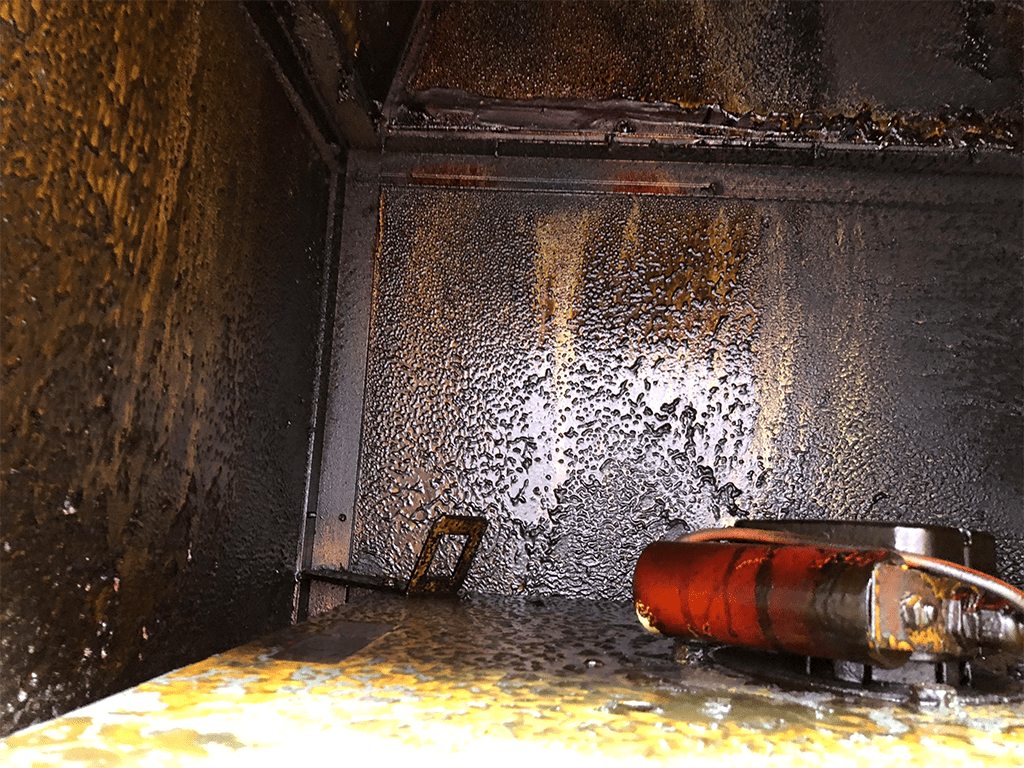
Dry steam helps loosen grease, grime and other stubborn residues from surfaces. It can also disrupt biofilms that may protect bacteria and other microorganisms from conventional cleaning methods.
Cleaning Cracks, Joints and Difficult-to-Reach Areas
Pressurised steam can penetrate cracks, joints, crevices and other areas that are difficult to reach using conventional cleaning methods.
Reduced Drying Time
Because dry steam contains relatively little liquid water, surfaces are left with less residual moisture and can dry more quickly than after conventional wet cleaning.
Reduced Cleaning Downtime
Lower water use and faster drying can allow cleaned equipment and production areas to return to use sooner, helping minimise disruption to operations.
Cleaning Without High-Pressure Water Spray
Unlike pressure washing, dry steam can loosen and remove contamination without using large volumes of high-pressure water that may spread grime and cleaning residue into surrounding areas.
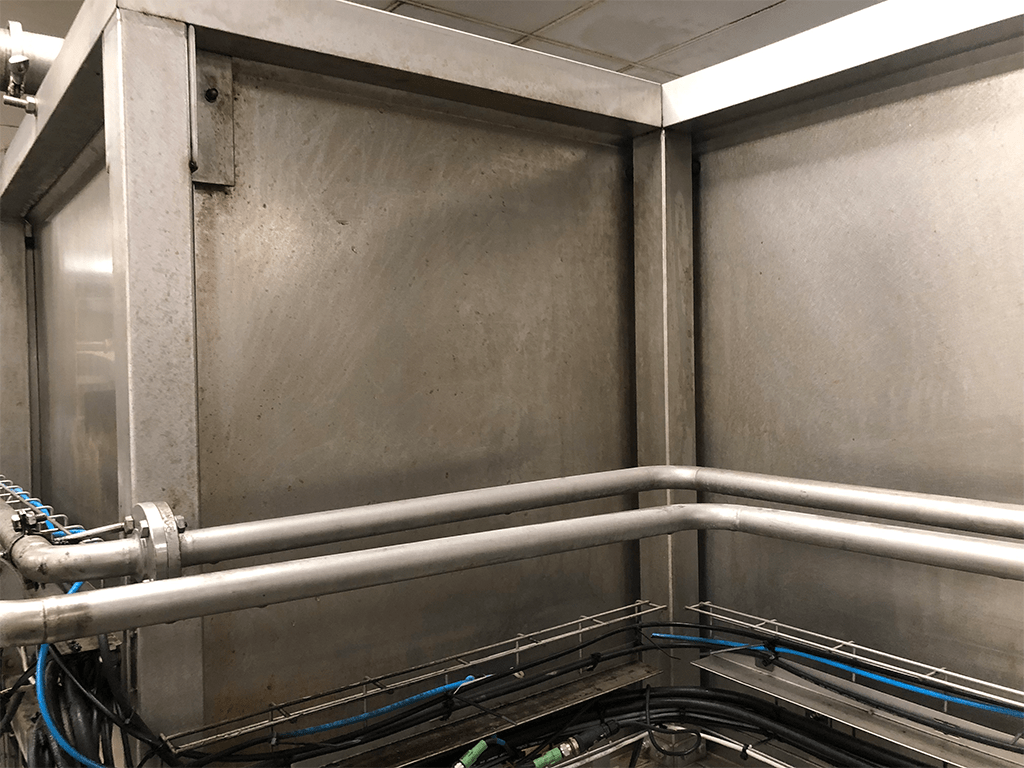
What Equipment Is Used for Industrial Dry Steam Cleaning?
Industrial dry steam cleaning uses a steam generator or boiler, pressure-rated hoses, and specialist nozzles and attachments to deliver high-temperature, low-moisture steam to contaminated surfaces.
The main equipment includes:
- Steam generator or boiler: Heats water to produce dry steam at controlled temperatures and pressures.
- Pressure-rated hoses: Carry the steam safely from the generator to the cleaning point.
- Specialist nozzles and lances: Direct steam into machinery, joints, cracks and difficult-to-reach areas.
- Brushes and surface attachments: Help loosen grease, residues and other stubborn contamination.
- Extraction or wiping equipment: Removes loosened dirt and residue after steam treatment.
The exact equipment used depends on the surface material, type of contamination, machinery being cleaned and site conditions, with temperature and pressure adjusted to achieve effective cleaning while minimising excess moisture.
Dry Steam Cleaning vs Traditional Cleaning Methods
| Cleaning Method | Water Usage | Chemicals | Residual Moisture | Good for Detailed Machinery | Typical Industrial Use |
|---|---|---|---|---|---|
| Dry Steam | Low | Low / Optional | Low | Excellent | Equipment, conveyors and production areas |
| Pressure Washing | High | Optional | High | Limited in sensitive areas | Floors, walls and heavy contamination |
| Manual Chemical Cleaning | Moderate | High | Varies | Good | General surface cleaning |
| Industrial Vacuuming | Very Low | None | None | Excellent for dry material | Dust and loose contaminants |

Certified ATEX Vacuum Cleaning Service: Safe and Compliant Cleaning for Hazardous Areas
Hazardous Area Industrial Cleaning – Protecting Your Site from the Ground Up
Explosion-Proof Cleaning Services – Why They’re Essential for Hazardous Environments
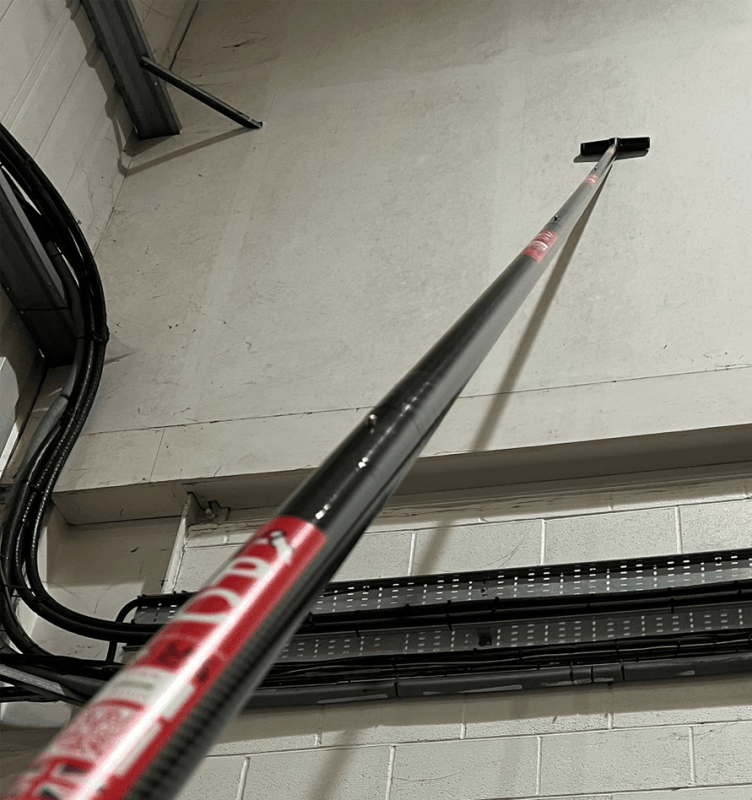
The Importance of Specialist ATEX Industrial Cleaning Services
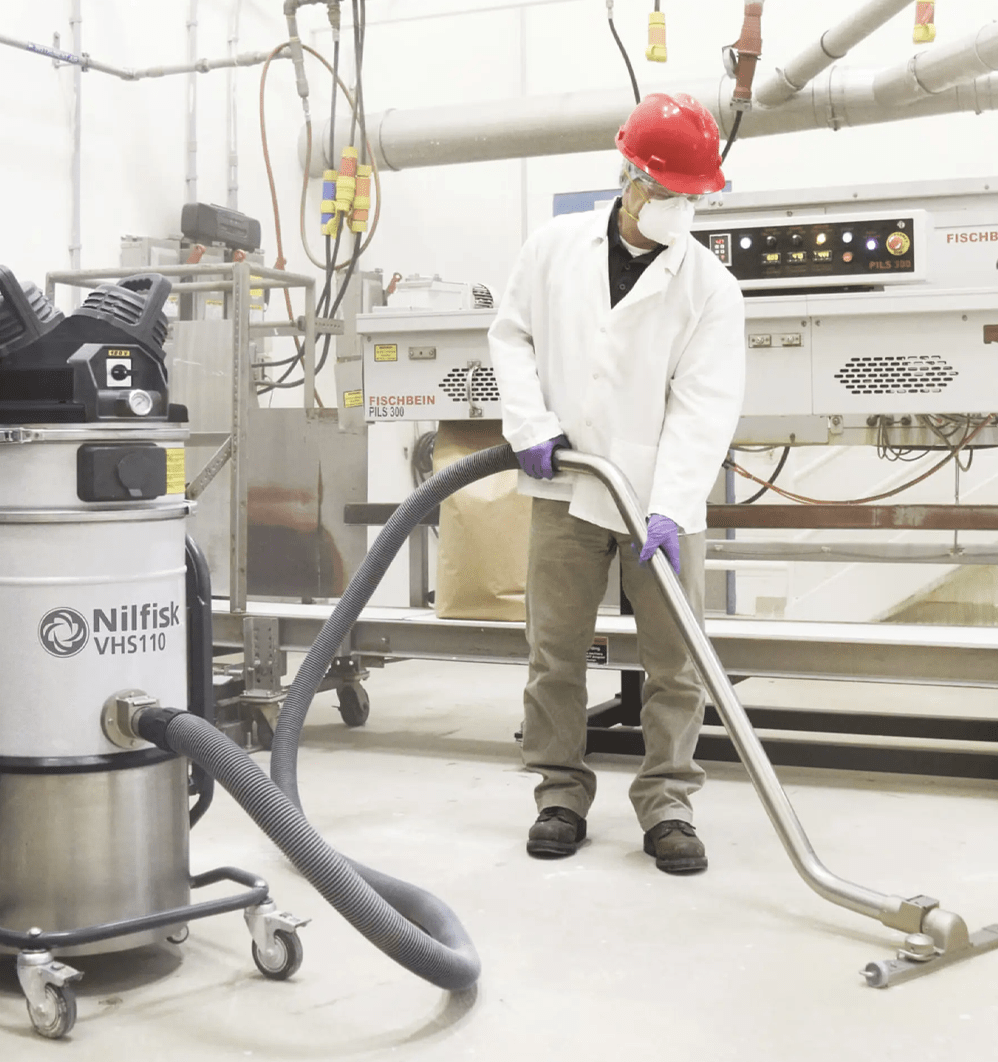
ATEX Zone 22 Vacuums
March Discount Special: Enjoy 10% (MAR10) Off Your Basket Total at ATEX Premier Cleaning!
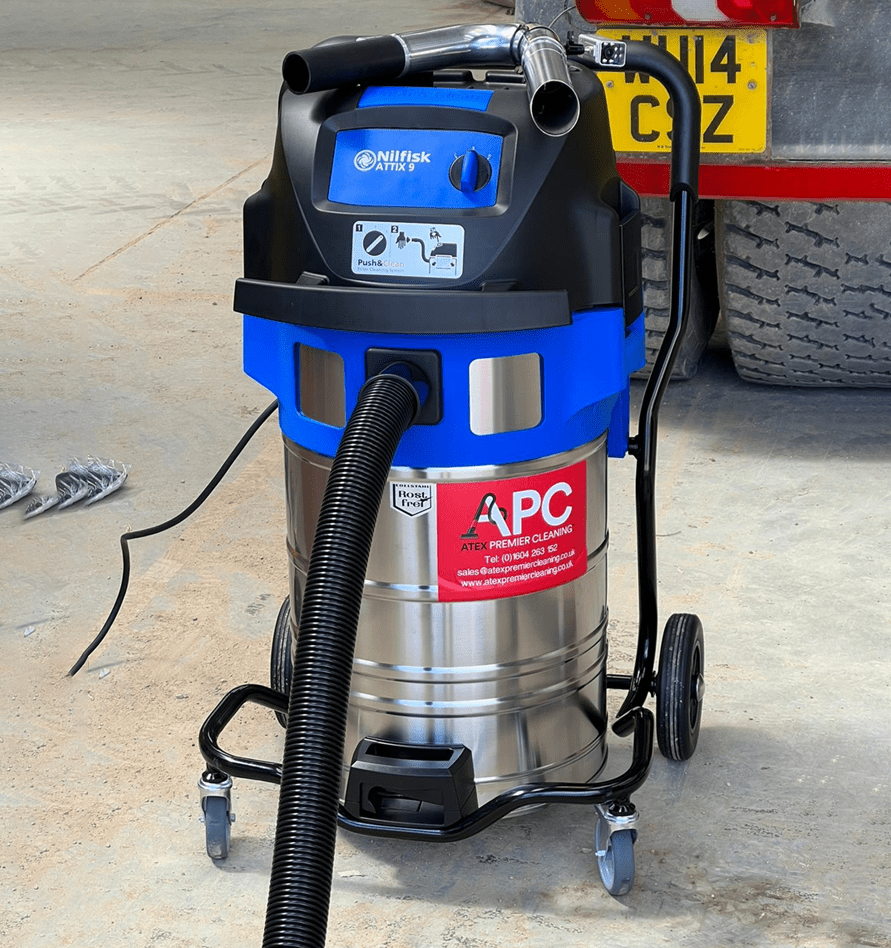
Expert Advice on Choosing the Right Nilfisk Vacuum for You
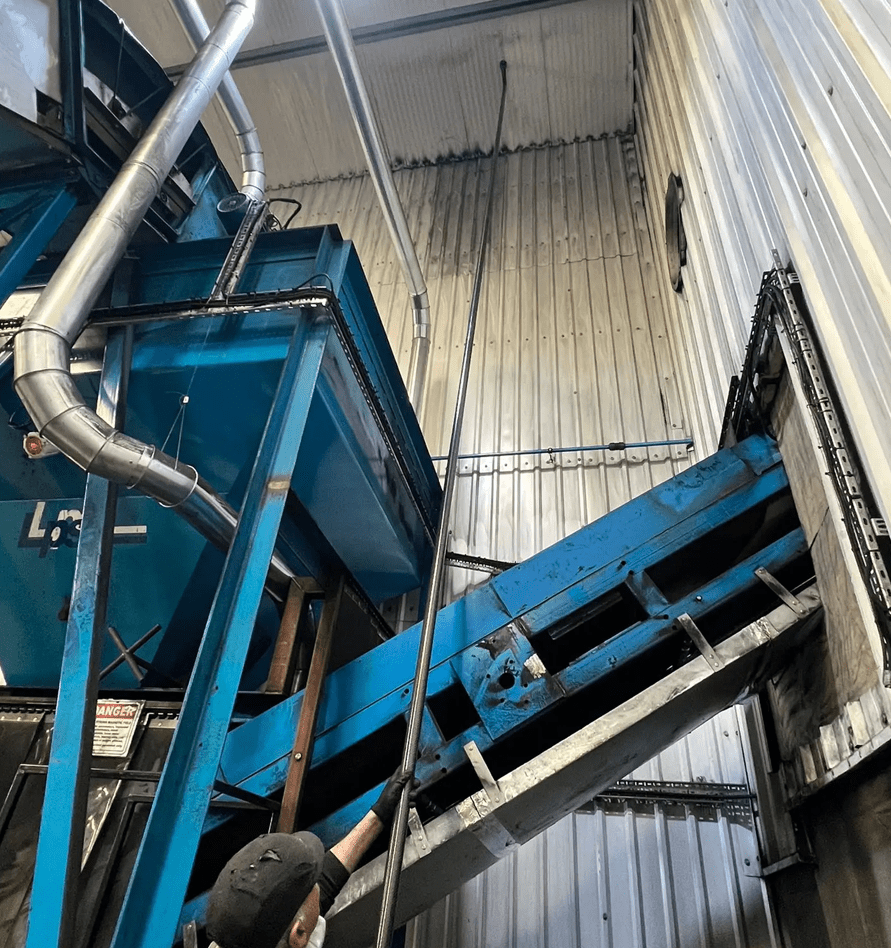
How to Keep Your Workplace Clean and Safe
Step-by-Step Guide to Creating an Industrial Cleaning Schedule