Hazardous Area Industrial Cleaning – Protecting Your Site from the Ground Up
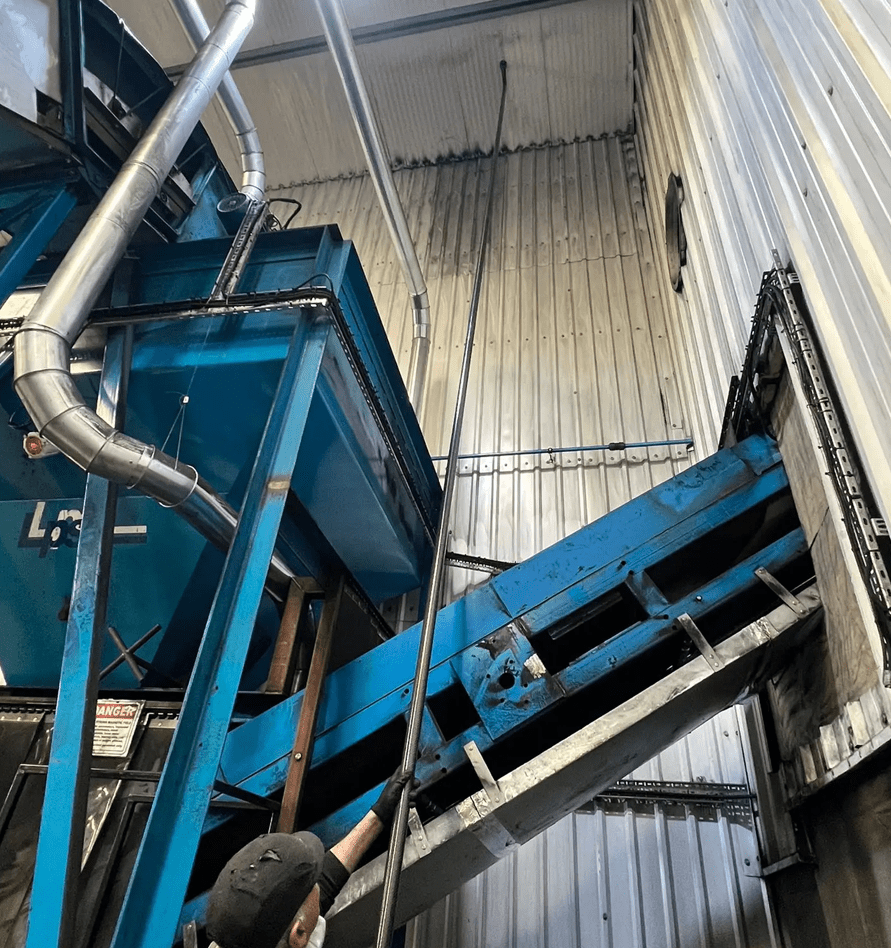
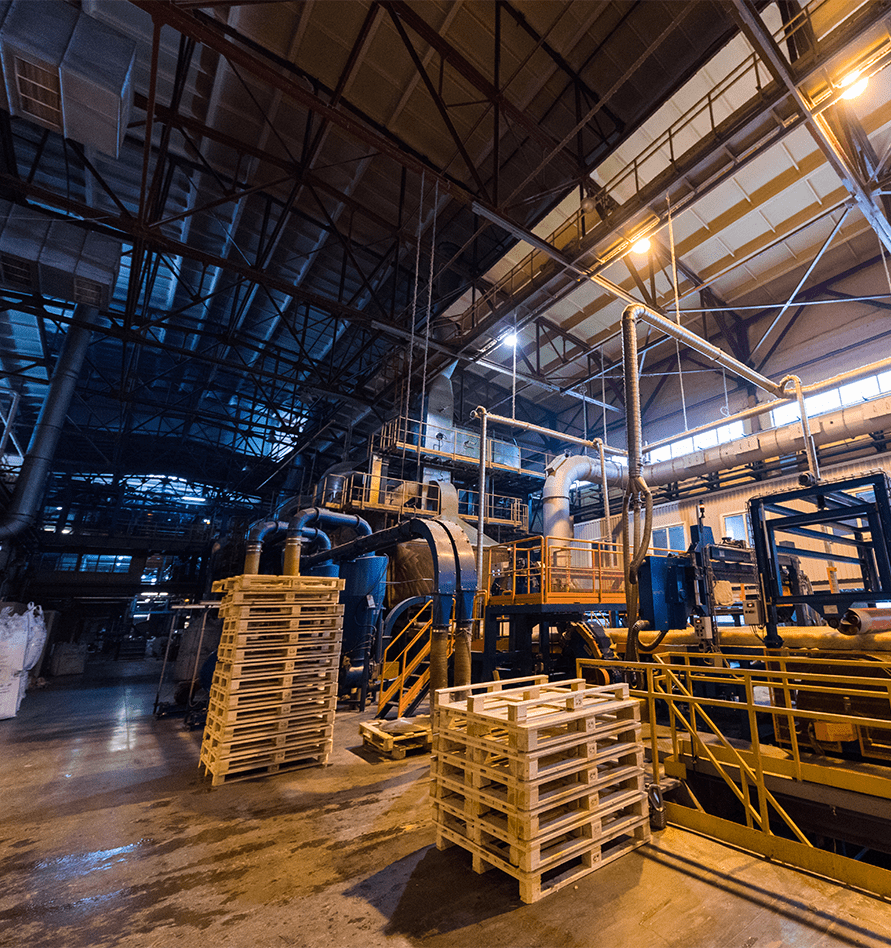
Working in hazardous industrial environments requires more than just compliance, it demands precision, specialist knowledge, and a deep understanding of the risks involved. At ATEX Premier Cleaning Ltd, we provide expert hazardous area industrial cleaning services designed to keep your facility safe, compliant, and operating at its best.
Whether you’re in...
Continue Reading
Explosion-Proof Cleaning Services – Why They’re Essential for Hazardous Environments
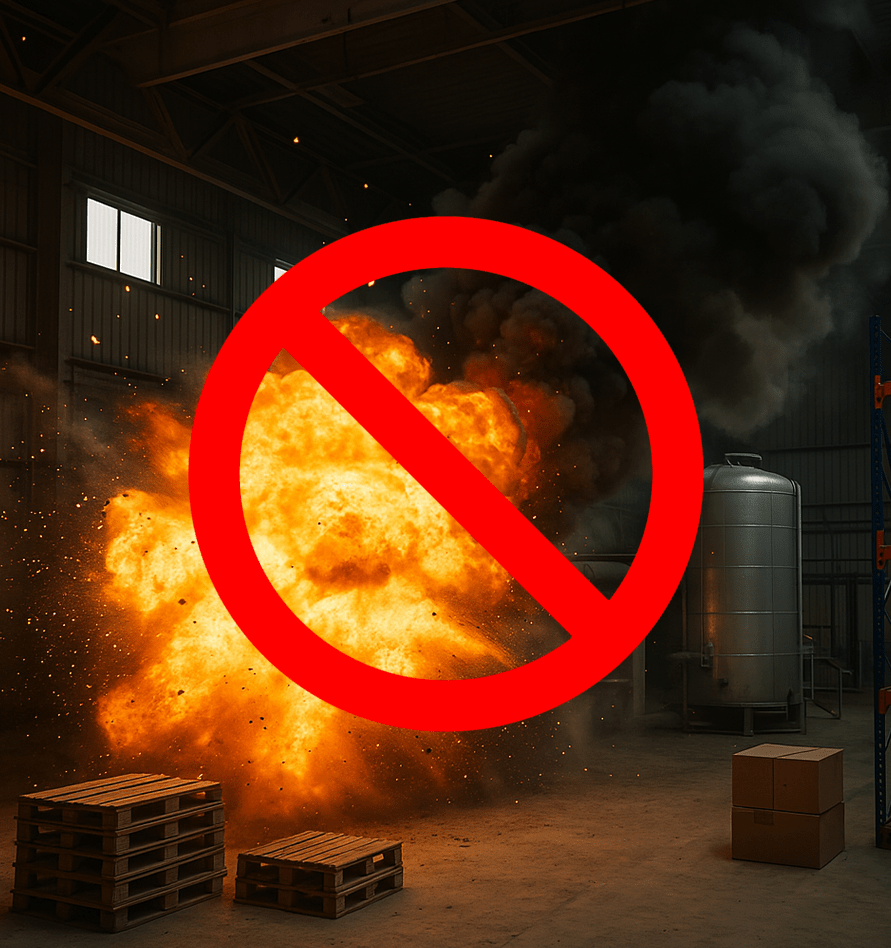
In high-risk industrial environments, where flammable gases, dust particles, or volatile vapours Are ever-present, safety isn't just a priority - it's a necessity. This is where Explosion-Proof Cleaning Services become crucial. At ATEX Premier Cleaning Ltd, we provide specialised cleaning solutions that are designed to protect your site,...
Continue Reading
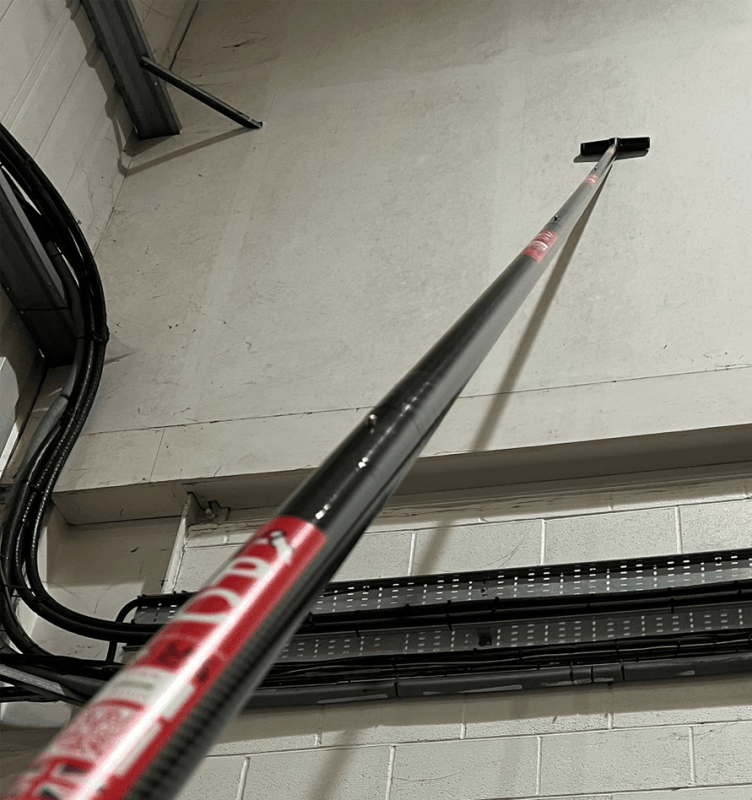
The Importance of Specialist ATEX Industrial Cleaning Services
In industries where combustible dust, hazardous gases, or explosive atmospheres are a constant risk, ATEX Industrial Cleaning Services Aren’t just a recommendation - they’re essential. At ATEX Premier Cleaning Ltd, we specialise in providing certified ATEX-compliant cleaning solutions designed to keep your site safe, efficient, and regulation-ready.
What Is...
Continue Reading
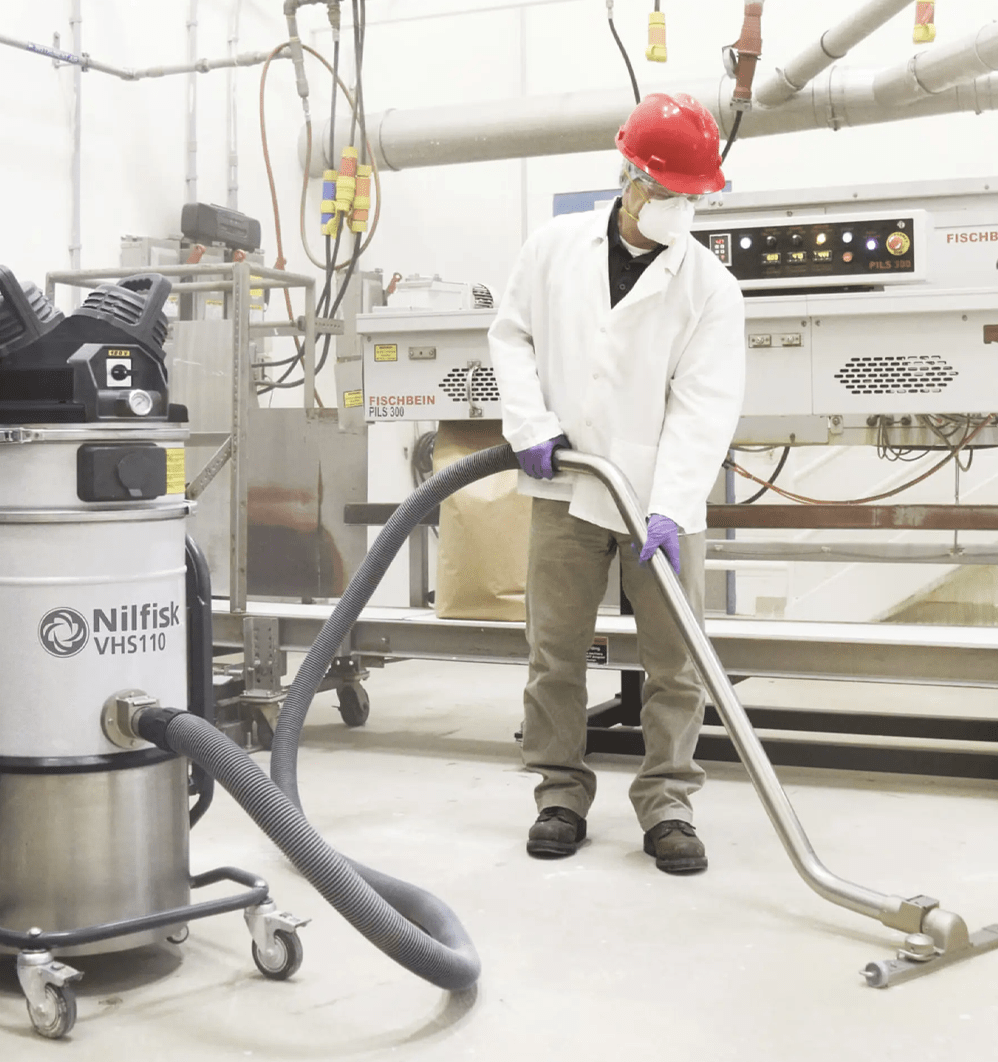
ATEX Zone 22 Vacuums
ATEX Zone 22 Vacuums are specifically designed for environments where explosive dust may occasionally be present. These vacuums are crucial in ensuring safety in industrial settings, as they help prevent ignition in potentially hazardous areas. They are built to meet strict safety standards, making them essential for workplaces with combustible...
Continue Reading
March Discount Special: Enjoy 10% (MAR10) Off Your Basket Total at ATEX Premier Cleaning!
At ATEX Premier Cleaning, we’re always striving to show our appreciation for your ongoing support. With that in mind, we're excited to roll out our special March promotion: get a 10% discount on your Entire Basket When you shop for products on our online store! Whether you’re looking for...
Continue Reading
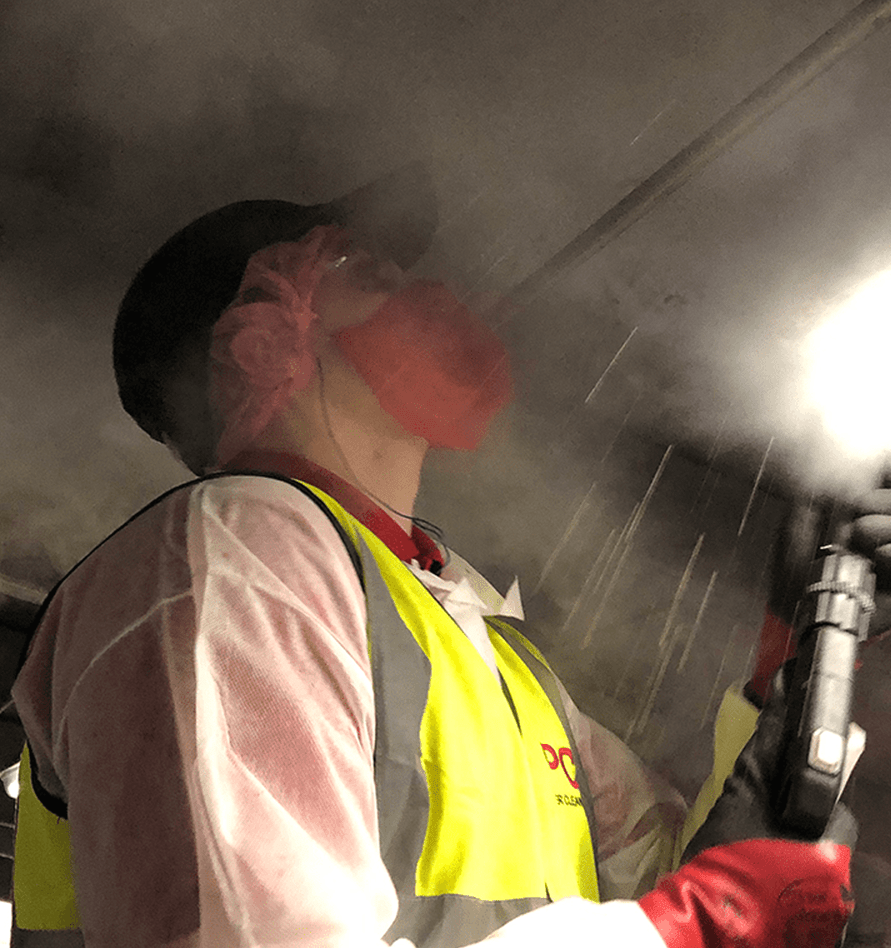
What is Dry Steam Cleaning and What is it Used For?
Dry steam cleaning is an industrial cleaning And sanitising method that uses high-temperature steam with very low moisture content to loosen grease, dirt, residues and contaminants from surfaces and equipment, because it uses relatively little water, it is particularly useful in food production, beverage manufacturing, pharmaceutical facilities...
Continue Reading
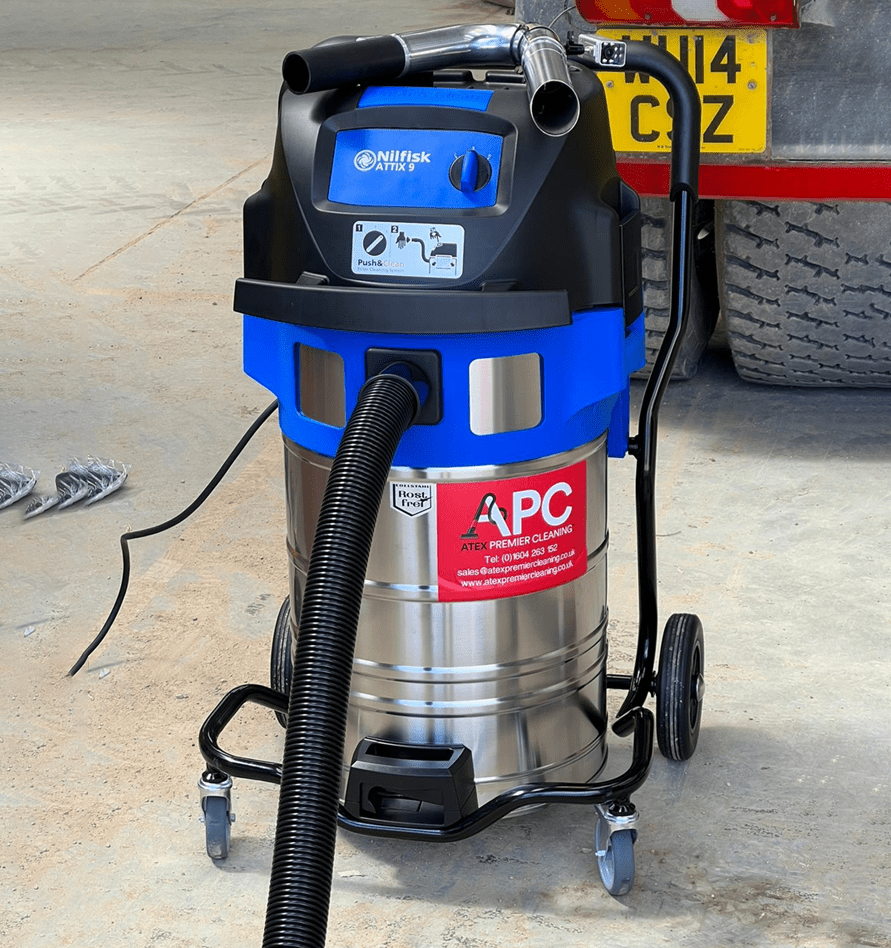
Expert Advice on Choosing the Right Nilfisk Vacuum for You
Choosing the right vacuum cleaner can be daunting, especially when faced with a huge list of models and features. If you’re considering a Nilfisk vacuum, you’re already on the right track, as Nilfisk is renowned for its high-quality, durable, and efficient vacuum cleaners. But which model is right for you?...
Continue Reading
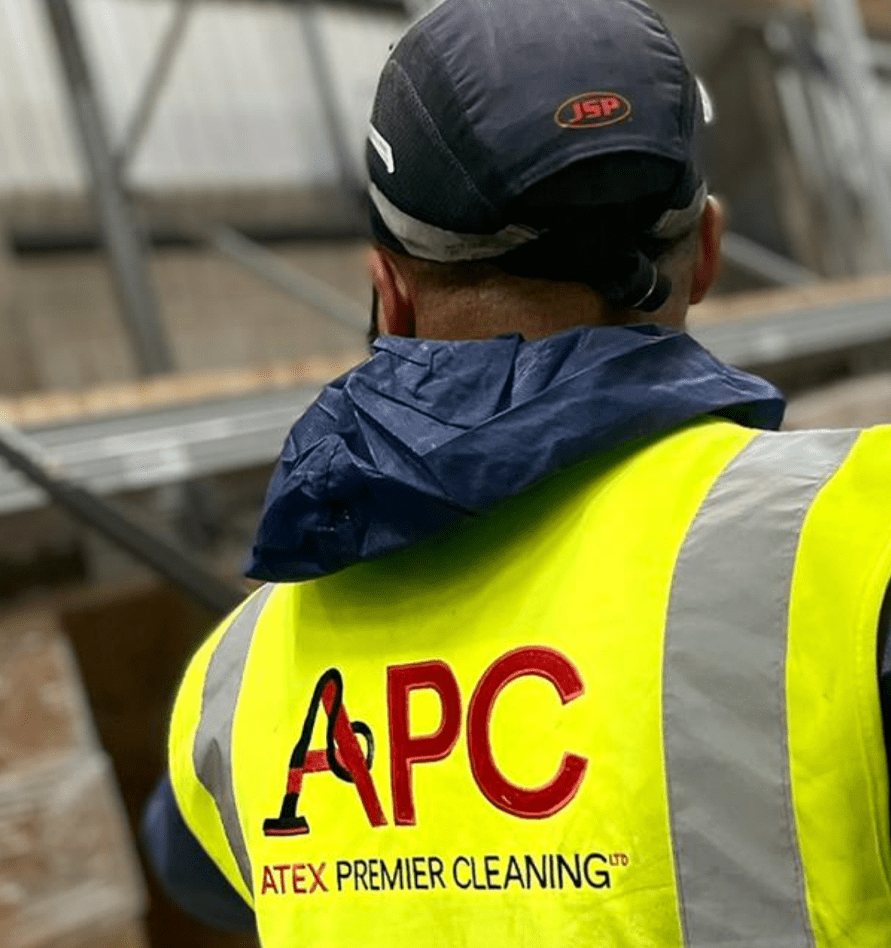
How to Keep Your Workplace Clean and Safe
Maintaining a clean, safe workplace is more important now than ever for business owners like you. With infection control high on the agenda for businesses, knowing how to protect your staff and customers is a must.From warehouses and retailers, to schools and places of worship, you’re going to need to...
Continue Reading
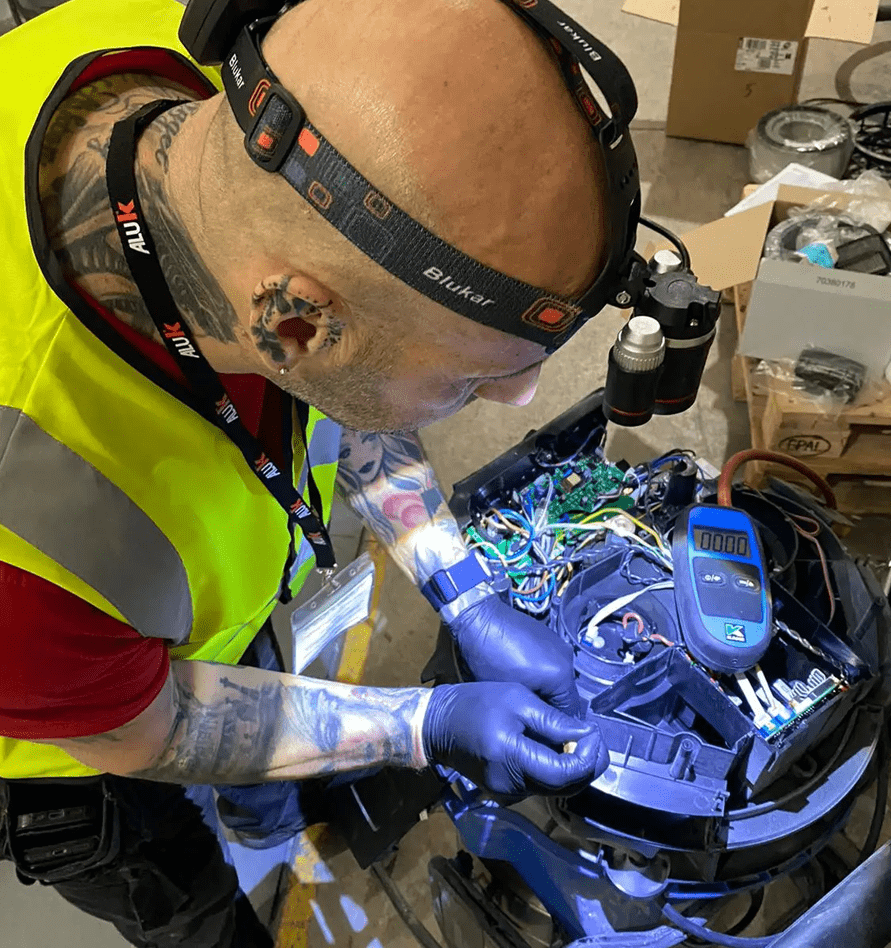
Signs Your Industrial Vacuum Needs Servicing
Even the best vacuums can run into problems that need professional attention. By keeping an eye out for early warning signs, you can ensure your industrial vacuum stays in great shape, boosting its performance and lifespan.
In this blog post, we’ll go over 5 signs that indicate your industrial vacuum...
Continue Reading
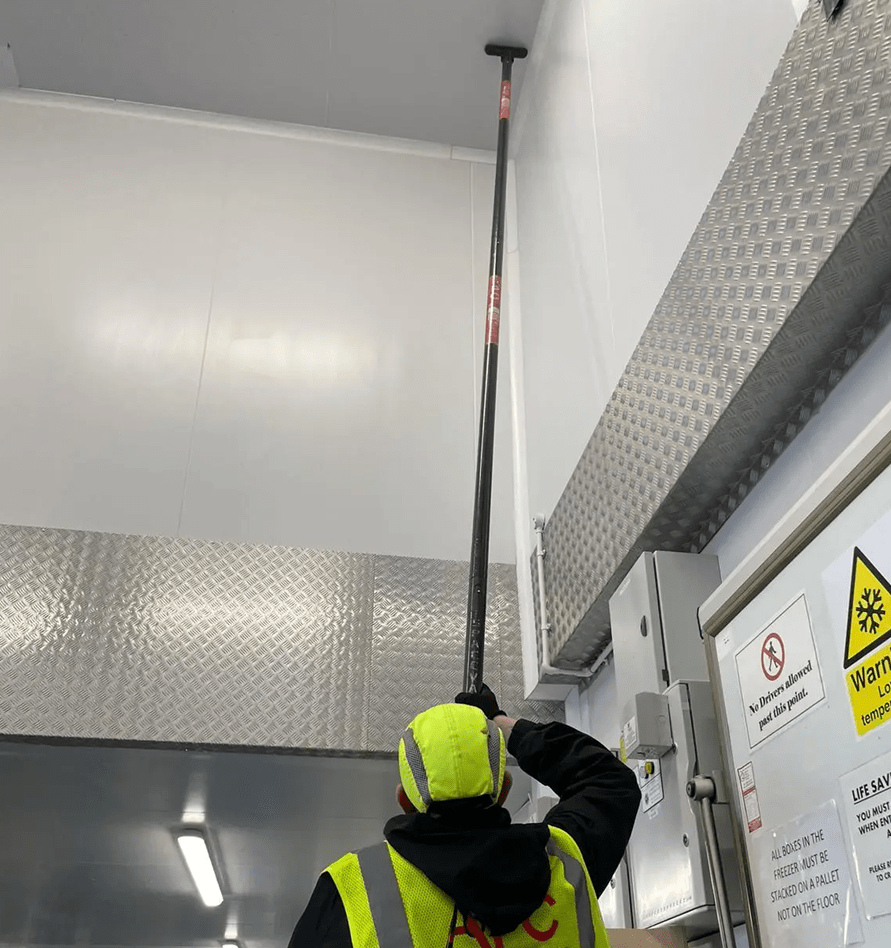
The Importance of High-Level Cleaning in the Food Industry
Keeping industrial or hazardous settings clean isn’t a task for just anyone – it demands a skilled, knowledgeable cleaning staff. In this blog post, we’ll go over why proper training is crucial and the best practices for ensuring your cleaning team is as equipped as they can be!
Why is training...
Continue Reading